
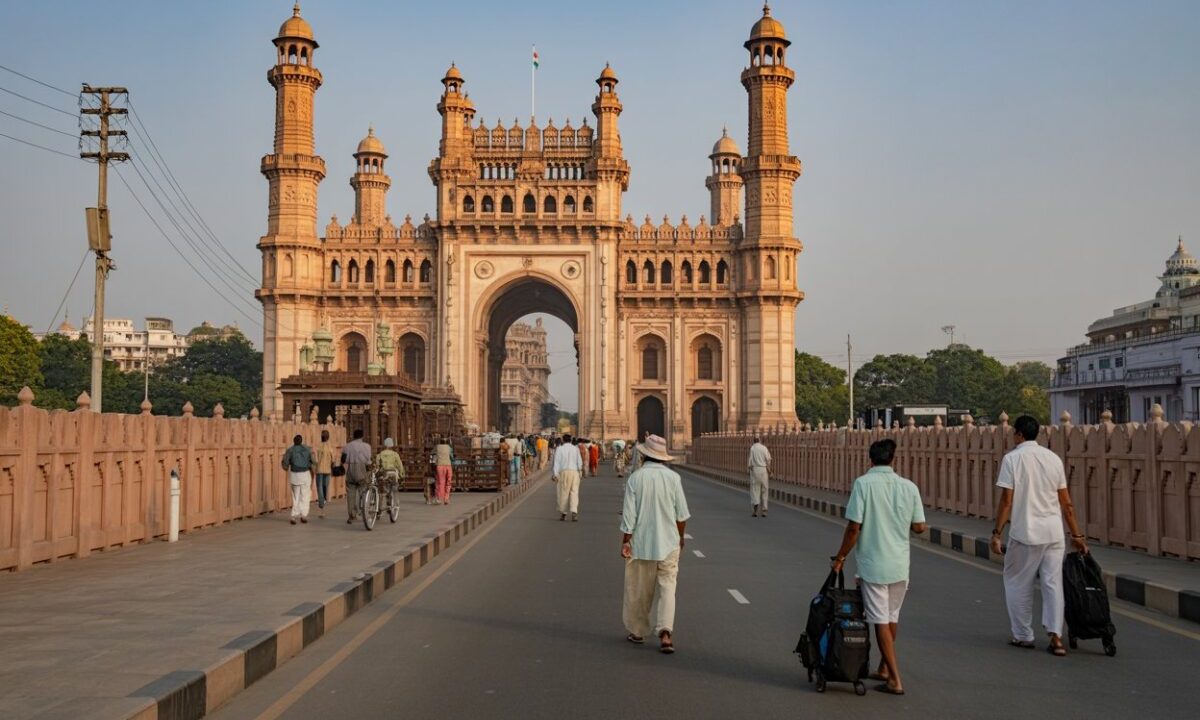
Temperatures of up to 44°C are forecast across Telangana — and the India Meteorological Department has issued an orange alert for parts of the state, warning that this is no ordinary summer spike. The heatwave is expected to last up to 10 days, turning one of India’s most historically rich and culturally vibrant destinations into a genuine health hazard for anyone unprepared to face the heat.
For travellers who had plans to explore Telangana’s markets, heritage forts, temples, and nature reserves this season, that forecast demands serious attention. The kind of heat being recorded here — sustained, intense, and widespread — can be dangerous even for healthy adults, let alone those unaccustomed to South Asian summer conditions.
Whether you’re planning a pilgrimage, a motorcycle trek through rural highways, or a few days of city sightseeing in Hyderabad, what follows is everything you need to know before you go.
What Is Actually Happening in Telangana Right Now
The India Meteorological Department — India’s official weather authority — has placed parts of Telangana under an orange alert, which signals severe heat conditions and calls for heightened caution. Temperatures are forecast to reach 44°C across many districts, a level that goes well beyond uncomfortable and enters genuinely dangerous territory.
This isn’t a brief hot spell. Experts warn the heatwave could persist for up to 10 consecutive days, which means there is no short window to “wait it out” for travellers already in the region or planning to arrive soon. Prolonged exposure to these temperatures — especially during midday hours — raises real risks of heat exhaustion and heatstroke.
The alert applies across multiple districts, meaning the impact is not confined to one city or corridor. Urban centres, rural highways, and outdoor heritage sites are all affected.
Who This Affects and What Travellers Need to Know
The range of activities typically associated with Telangana travel is precisely what makes this heatwave so disruptive. The state draws visitors for its historic forts, ancient temples, bustling urban markets, and scenic rural landscapes. Almost all of those experiences involve significant time outdoors — which is exactly where the danger lies right now.
Here’s a breakdown of the key facts travellers should understand before visiting:
| Factor | Detail |
|---|---|
| Peak temperature forecast | Up to 44°C across many Telangana districts |
| Alert level issued | Orange alert by the India Meteorological Department |
| Expected duration | Up to 10 consecutive days |
| Activities most affected | Sightseeing, cultural tours, motorcycle treks, pilgrimages, market visits |
| Sites of concern | Heritage forts, temples, nature reserves, urban markets |
Travellers heading into rural areas or planning motorcycle routes along Telangana’s highways face particular exposure, as shade and cooling facilities can be limited outside urban centres. Pilgrimages to outdoor religious sites also carry elevated risk when temperatures remain extreme throughout the day.
The Real-World Impact on Your Visit
If you are currently in Telangana or planning to travel there within the next week to two weeks, the practical implications are significant. The orange alert is not a symbolic warning — it signals that authorities consider the heat severe enough to require active protective measures.
For tourists, that means adjusting the rhythm of any trip considerably:
- Outdoor sightseeing at heritage forts and temples should be limited to early morning or late evening hours, when temperatures are more manageable.
- Motorcycle treks along rural highways carry compounded risk — heat exposure combined with physical exertion and limited access to water or shelter in remote areas.
- City exploration in urban markets should be planned around midday breaks in air-conditioned spaces.
- Pilgrimages to outdoor religious sites need to be approached with extra hydration planning and flexible timing.
- Nature reserves and open-air attractions should be treated with the same caution as any other exposed outdoor environment.
Hydration is non-negotiable. In 44°C heat, the body loses fluids rapidly, and the consequences of dehydration can escalate quickly. Lightweight, breathable clothing and sun protection are equally important.
How to Plan Around the Telangana Heatwave
The most practical step any traveller can take right now is to monitor IMD updates actively. Orange alerts can escalate to red alerts if conditions worsen, and the 10-day forecast window means the situation may evolve before any planned trip begins.
If your travel dates fall within the heatwave period, consider these steps:
- Check the latest IMD district-level alerts before departure and again on arrival.
- Restructure your itinerary so that all outdoor activities — sightseeing, trekking, pilgrimages — happen before 10am or after 5pm.
- Identify air-conditioned rest points along your planned routes, particularly if travelling through rural districts.
- Carry significantly more water than you think you will need, especially on motorcycle routes where resupply points may be sparse.
- If you are travelling with elderly companions, children, or anyone with existing health conditions, consider postponing outdoor-heavy itineraries until the alert is lifted.
The heatwave does not make Telangana off-limits — but it does make preparation essential. The state’s historical sites, cultural landmarks, and natural landscapes are not going anywhere. A few hours of timing adjustment can make the difference between a memorable trip and a medical emergency.
Frequently Asked Questions
How hot is it expected to get in Telangana during this heatwave?
Temperatures are forecast to reach as high as 44°C across many districts in Telangana, according to the India Meteorological Department.
How long is the heatwave expected to last?
Experts warn the heatwave could persist for up to 10 consecutive days, making it a prolonged and serious weather event rather than a brief spike.
What alert level has been issued for Telangana?
The India Meteorological Department has issued an orange alert for parts of Telangana, signalling severe heat conditions.
Which types of travel activities are most affected?
Outdoor activities are most at risk — including sightseeing at heritage forts and temples, motorcycle treks on rural highways, pilgrimages, visits to urban markets, and nature reserve tours.
Is it safe to travel to Telangana right now?
Travel is not explicitly banned, but the orange alert means visitors must take the heat seriously, adjust their itineraries, and take active precautions including limiting outdoor exposure during peak hours.
Should I postpone my trip to Telangana?
This has not been officially mandated, but travellers with flexible schedules — particularly those planning intensive outdoor itineraries — should weigh the 10-day heatwave forecast carefully before finalising travel dates.



Leave a Reply