

If you were counting on a seamless flight to Bangkok or Bali in 2026, the travel landscape has shifted in ways that are going to cost you — in both time and money. Ongoing conflict in the Middle East has forced airlines to reroute flights away from key air corridors connecting Europe, the Middle East, and Asia. The result: longer journeys, unpredictable schedules, and rising ticket prices for some of the world’s most popular holiday destinations.
Thailand and Bali, two destinations that depend heavily on international visitors, are absorbing the pressure from all sides. What was expected to be a strong tourism rebound year for Southeast Asia is now running into headwinds that neither destination fully anticipated.
For anyone planning a trip to the region in the coming months, this is a story worth paying attention to before you book.
How Middle East Conflict Is Reshaping Southeast Asia Tourism in 2026
The disruption stems from partial closures and restrictions on major air corridors that have traditionally served as the backbone of long-haul travel between Europe, the Middle East, and Asia. Airlines operating these routes have had no choice but to reroute around affected areas — adding flight time, burning more fuel, and passing those costs along to passengers.
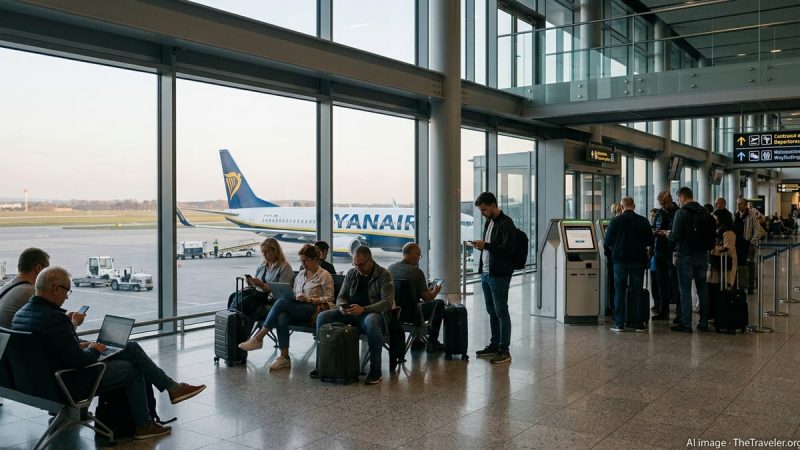
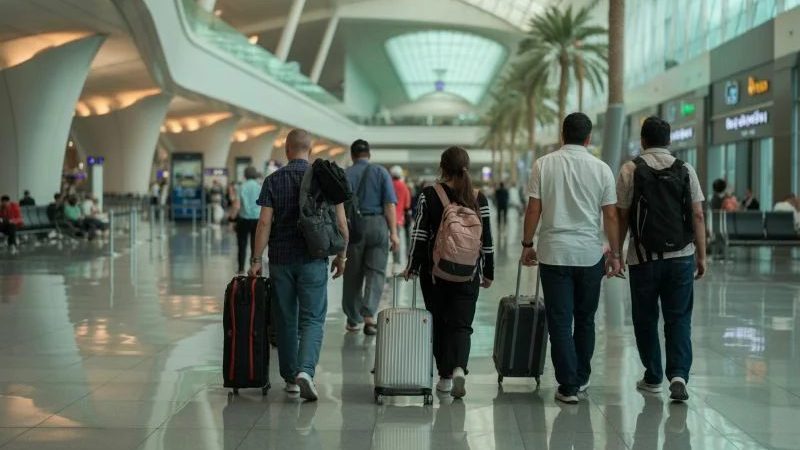
For travelers flying from Europe or the Gulf region into Southeast Asia, what was once a relatively direct connection has become a more complicated itinerary. Layovers are longer. Connections are less reliable. And the overall cost of getting to destinations like Phuket, Koh Samui, or Bali has risen as a result.
Travel planners are already responding. Industry advisors are urging travelers to book earlier than usual and to build flexibility into their schedules to minimize the risk of disruptions. That advice, while sensible, adds its own layer of inconvenience for people who prefer to plan closer to their departure dates.
What This Means for Thailand’s Tourism Recovery
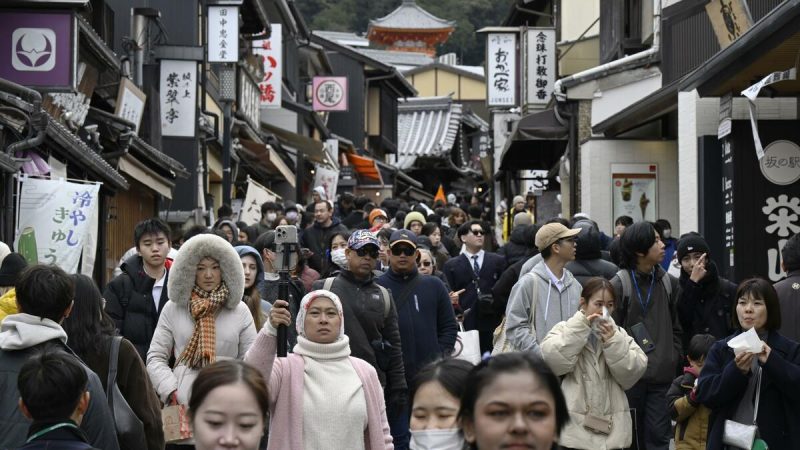
Thailand had positioned 2026 as a year of strong tourism rebound after years of stop-start recovery. That optimism is now being tested. Cities and resort areas that rely most on long-haul international visitors — including Bangkok, Phuket, and Koh Samui — have seen a drop in arrivals linked to the flight disruptions.
The core problem is predictability. Airline schedules have become less reliable, which makes it harder for travelers to commit to fixed itineraries. For destinations like Phuket, where peak-season bookings often happen months in advance, that uncertainty has real economic consequences.
The disruption is particularly acute for visitors traveling from Europe and the Middle East — two of Thailand’s most significant source markets. When those travelers face longer, more expensive journeys, some choose alternative destinations closer to home, or simply delay their trips.
Bali Faces Similar Pressures on Arrivals and Costs
Bali is experiencing comparable strain. Like Thailand, the Indonesian island draws heavily from European and Middle Eastern visitor markets, meaning the same flight rerouting issues are hitting its tourism numbers from a similar angle.
Higher airfares don’t just affect whether people choose to visit — they affect how long visitors stay and how much they spend once they arrive. A traveler who absorbs an unexpected cost premium just getting to Bali may cut their stay shorter or scale back their spending on accommodation, activities, and dining. That ripple effect matters for the local economy.
The combination of longer travel times and higher costs is creating what travel observers describe as a friction point — not an outright barrier for most travelers, but enough of an added burden to influence decisions at the margin.
A Snapshot of the Disruption: Key Facts at a Glance
| Factor | Impact on Travelers | Destinations Most Affected |
|---|---|---|
| Flight rerouting around Middle East conflict zones | Longer flight times, more complex itineraries | Bangkok, Phuket, Koh Samui, Bali |
| Partial closure of key air corridors | Delays, cancellations, reduced schedule reliability | Southeast Asia broadly |
| Increased airline operating costs from rerouting | Higher ticket prices for long-haul travelers | Europe-to-Asia and Middle East-to-Asia routes |
| Drop in long-haul visitor arrivals | Reduced tourism revenue for destination economies | Thailand, Bali |
- Major air corridors linking Europe, the Middle East, and Asia are partially closed or restricted
- Airlines have been forced to reroute, adding time and cost to journeys
- Thailand anticipated a strong 2026 rebound — that recovery is now slowing
- Bangkok, Phuket, and Koh Samui are among the Thai destinations seeing reduced long-haul arrivals
- Bali faces the same source-market pressures as Thailand
- Travel planners are advising early booking and flexible schedules to reduce disruption risk
Who Feels This the Most — and What You Can Do About It
The travelers most exposed to these disruptions are those flying long-haul from Europe or the Middle East. If you’re in that category and have Southeast Asia on your 2026 travel list, the practical advice is straightforward: book earlier than you normally would, choose fares with flexibility built in, and avoid tight connection windows that leave no room for delay.
For the tourism industries in Thailand and Bali, the challenge is one they can’t fully control. The flight disruptions are external — driven by geopolitical events far from their borders. What they can do is work to retain visitors who might otherwise redirect to closer, cheaper-to-reach destinations.
Local tourism operators and governments will likely look at this period as a test of resilience. Destinations that manage to absorb the shock — through targeted marketing, competitive pricing, or attracting visitors from less-affected source markets — will be better positioned when the disruptions ease.
What to Watch for in the Months Ahead
The trajectory of Middle East conflict will be the single biggest variable determining how long these disruptions last. If air corridors reopen or restrictions ease, airlines can return to more direct routing, costs can come down, and traveler confidence can recover relatively quickly.
In the meantime, the advice for travelers remains consistent: plan ahead, stay flexible, and factor in the real possibility that your journey to Southeast Asia in 2026 may take longer and cost more than a comparable trip would have in previous years. That’s not a reason to cancel your plans — but it is a reason to make them carefully.
Frequently Asked Questions
Why are flights to Thailand and Bali more expensive and longer in 2026?
Ongoing conflict in the Middle East has led to partial closures of key air corridors, forcing airlines to reroute flights around affected areas, which adds travel time and increases operating costs passed on to passengers.
Which destinations in Thailand are most affected by the flight disruptions?
According to available reporting, Bangkok, Phuket, and Koh Samui are among the Thai destinations that have seen a drop in long-haul international visitors as a result of the disruptions.
Is it still safe to book a trip to Thailand or Bali in 2026?
The disruptions relate to flight routing and costs rather than safety at the destinations themselves. Travel planners are advising early booking and flexible itineraries to reduce the risk of delays or cancellations.
Which travelers are most impacted by the flight rerouting?
Travelers flying from Europe and the Middle East — two major source markets for both Thailand and Bali — are most directly affected by the longer routes and higher fares.
What can I do to reduce disruption to my Southeast Asia travel plans?
Industry advisors are recommending booking earlier than usual and maintaining flexible schedules to minimize the impact of unpredictable airline timetables.
How long will these disruptions last?
This has not yet been confirmed. The duration of the disruptions depends largely on how the geopolitical situation in the Middle East develops and when affected air corridors reopen or restrictions are lifted.

Leave a Reply