
▶ Read transcript
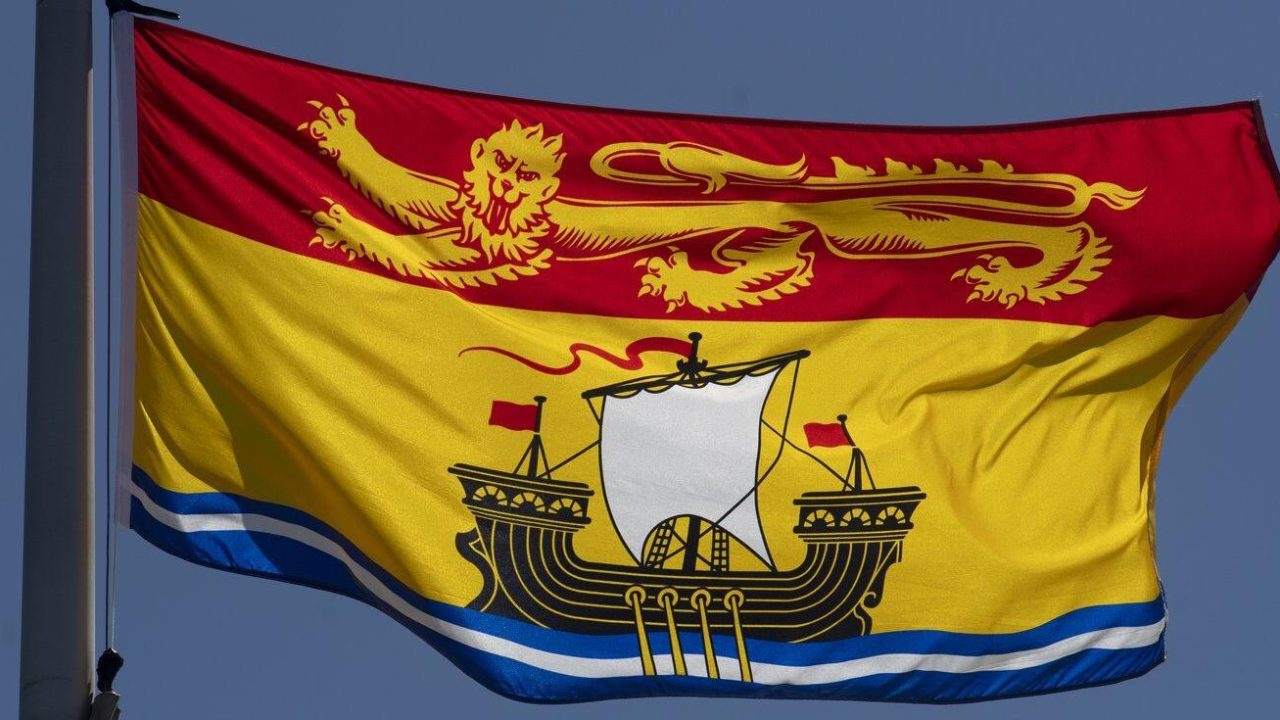
Here’s what you need to know about the tourism slowdown hitting Maine from its northern neighbor. New Brunswick residents are crossing into Maine in record-low numbers in 2026, and this isn’t just a seasonal dip. What’s driving it is a combination of factors — the weak Canadian dollar making US trips more expensive, broader political frustration with American policies, and a growing sense of provincial pride that’s turning staying home into a statement. The economic impact is real, hitting Maine diners, hotels, and shops while actually benefiting New Brunswick’s own local businesses. Both governments are scrambling to respond, with Maine tourism agencies already looking for new markets to replace lost Canadian visitors. This looks less like a temporary mood and more like a lasting shift in cross-border behavior. If you’re in Maine’s tourism or hospitality industry, now is the time to diversify your marketing strategy and stop relying on Canadian visitors as a given.
The window for a normal 2026 tourism season between New Brunswick and Maine may already be closing. Border crossing data shows NB-Maine crossings have hit record lows this year, and the trend is accelerating, not reversing. What started as quiet consumer hesitation has hardened into something that looks unmistakably like a coordinated cultural revolt.
Canadians across the country are choosing to stay home. But in New Brunswick, the province that shares the longest land border with Maine, the pullback is particularly sharp and personal. The economic ripple effects are now being felt from the lobster shacks of Bar Harbor to the boutiques of Fredericton.
This is not a minor seasonal dip. This is a structural shift in cross-border behavior, and both governments are scrambling to understand it.
The Boycott Taking Shape Along the NB-Maine Border
The controversy is straightforward on the surface: New Brunswick residents, in growing numbers, are refusing to cross into Maine for shopping, dining, tourism, or leisure travel. The reasons they cite are varied but converging. Broader Canadian frustration with US political decisions in 2026 has fused with local economic grievances and a renewed sense of provincial identity.
The result is what observers are calling a “revolt,” a word that captures the emotional intensity behind what might otherwise look like simple consumer behavior. People are not just skipping a weekend trip. They are making a point.
| Factor | Impact on Maine | Impact on New Brunswick |
|---|---|---|
| Record-low border crossings | Lost tourist spending in diners, shops, hotels | Reduced cross-border retail competition |
| Canadian dollar concerns | Fewer high-spend visitors | Locals spend more at home |
| Political sentiment shift | Reputational friction for US tourism brands | Strengthened provincial identity narrative |
| Government response | Maine tourism agencies seeking new markets | NB leaders addressing economic realignment |
Side A: Why New Brunswick Residents Say the Boycott Is Justified
Those who support staying home make a compelling case rooted in both economics and identity. The Canadian dollar’s weakness against the US dollar makes every Maine shopping trip a financial penalty. A family spending a weekend in Portland, Maine, is effectively paying a premium just to cross the border.
Beyond currency, there is a deeper current of political frustration. Canadians in 2026 are navigating a complicated relationship with the United States, shaped by trade tensions, shifting diplomatic signals, and a sense that Canadian interests are being sidelined. For many New Brunswick residents, choosing not to spend money in Maine is the most direct form of civic expression available to them.
“Canadians are choosing to stay home, and the economic ripple effects are being felt from the diners of Maine to the boutiques of New Brunswick.”
—, 2026
Supporters of the boycott also point to a historical precedent. New Brunswick has always had an independent streak. When the province debated joining Canadian Confederation in the 1860s, residents worried about losing power to larger provinces and about threats from the United States. That same instinct toward self-protection is resurfacing now, dressed in modern clothes.
There is also a local economic argument. When New Brunswick residents spend their leisure dollars at home, they support provincial restaurants, hotels, and retailers. The boycott, framed this way, is not just a protest. It is an investment in the local economy.
Side B: Why Maine Businesses and Some NB Voices Push Back
The other side of this debate is populated by people who see real harm in the boycott, and not just on the American side of the border. Maine’s small businesses near the border, many of them family-owned operations that have served Canadian visitors for generations, are absorbing losses they cannot easily absorb.
The diners, motels, and gas stations of Washington County and Aroostook County in Maine depend heavily on Canadian foot traffic. These are not corporate chains with diversified revenue streams. They are local businesses where a 30 percent drop in Canadian visitors can mean the difference between a profitable summer and a devastating one.
8 steps
Critics of the boycott also note that it creates collateral damage inside New Brunswick itself. Cross-border commerce flows in both directions. New Brunswick retailers who sold goods to Maine visitors, or who relied on American tourists coming north, are also feeling the chill. The boutiques of Fredericton and Moncton that once attracted American shoppers are seeing their own numbers decline.
You run a small bed and breakfast in Calais, Maine, 10 minutes from the New Brunswick border. Canadian guests historically made up 40 percent of your bookings. This summer, your Canadian reservations are down 60 percent. You have two options.
Some voices in New Brunswick also question whether a consumer boycott is the right tool for political grievances. Punishing Maine’s working-class border communities, they argue, does not address the federal or international policy decisions that actually frustrate Canadians. It simply transfers economic pain to people who had no part in creating it.
What the Data Actually Shows About Cross-Border Tourism Decline
The objective picture is stark. NB-Maine border crossings have hit record lows in 2026. This is not a matter of interpretation. The numbers reflect a measurable, documented collapse in cross-border movement that has no modern precedent in peacetime.
The broader Canadian boycott of US travel is real and statistically significant. Across Canada, travelers are redirecting leisure spending toward domestic destinations. Provinces like New Brunswick, British Columbia, and Ontario are all reporting increased internal tourism even as outbound US travel craters.
Government leaders on both sides of the border are taking action to address the tourism decline, though the responses have differed in tone and urgency. Maine tourism agencies are reportedly exploring new source markets to compensate for the Canadian shortfall. New Brunswick officials are navigating a more politically delicate situation, balancing economic concerns with the genuine sentiment driving the boycott.
The data also reveals something important about the asymmetry of the situation. Maine is more dependent on Canadian visitors than New Brunswick is on American ones. Canadian tourists historically represent a disproportionately large share of Maine’s total international visitor numbers, particularly in the border counties. New Brunswick, while affected, has more domestic alternatives to absorb the redirected spending.
The Editorial Verdict: Real Pain, Complicated Causes
This debate does not have a clean winner. The New Brunswick residents choosing to stay home are acting on legitimate grievances, shaped by real economic pressures and genuine political frustration. Their decision to redirect spending locally is both rational and, in many cases, principled.
But the harm falling on Maine’s border communities is also real and disproportionate. The family running a diner in Calais, Maine, did not set US foreign policy. They are absorbing the cost of decisions made far above their pay grade.
What the data makes clear is that consumer boycotts of this scale, sustained over months, produce lasting structural changes in travel behavior. People who stop crossing the border for one season often do not automatically resume the habit the next. New routines form. New loyalties develop. The damage can outlast the grievance that caused it.
Government leaders need to move faster than they currently are. Symbolic gestures and closed-door deliberations will not rebuild a tourism relationship that is eroding in real time.
What This Border Standoff Means for the Future of NB-Maine Relations
The implications of this revolt extend well beyond a single tourism season. The NB-Maine border corridor has historically been one of the most integrated cross-border regions in North America. Families have relatives on both sides. Communities share cultural and economic histories that go back centuries.
A sustained boycott risks hardening that border in ways that go beyond the physical. When people stop crossing, they stop knowing each other. The informal diplomacy of shared meals, shared shopping, and shared recreation quietly disappears. What replaces it is unfamiliarity, and unfamiliarity breeds its own kind of distance.
For Maine, the immediate priority is economic survival in the border counties. For New Brunswick, it is channeling genuine political energy into forms that target the actual sources of grievance rather than their neighbors across a river.
The deeper question, the one neither government wants to answer publicly, is whether this moment represents a temporary disruption or the beginning of a permanent realignment in how these two communities see each other. History suggests that once a border feels closed, reopening it takes far longer than anyone expects.
Frequently Asked Questions
Frequently Asked Questions

You Might Also Like
Long Island Travelers Are Missing Flights — And Few Saw This Coming
Spring break travel at Long Island airports has turned into a genuine ordeal this year.…

Croatia’s Restored WWI Bunkers in Senj Are Drawing Visitors to the Adriatic Coast
Buried beneath centuries of salt air and overgrown coastal terrain, a network of First World…

South Sudan’s Maruwa Hills Camp Is Quietly Rewriting Its Tourism Story
The world’s largest land animal migration — bigger than Africa’s famous Great Wildebeest Migration —…
Leave a Reply