
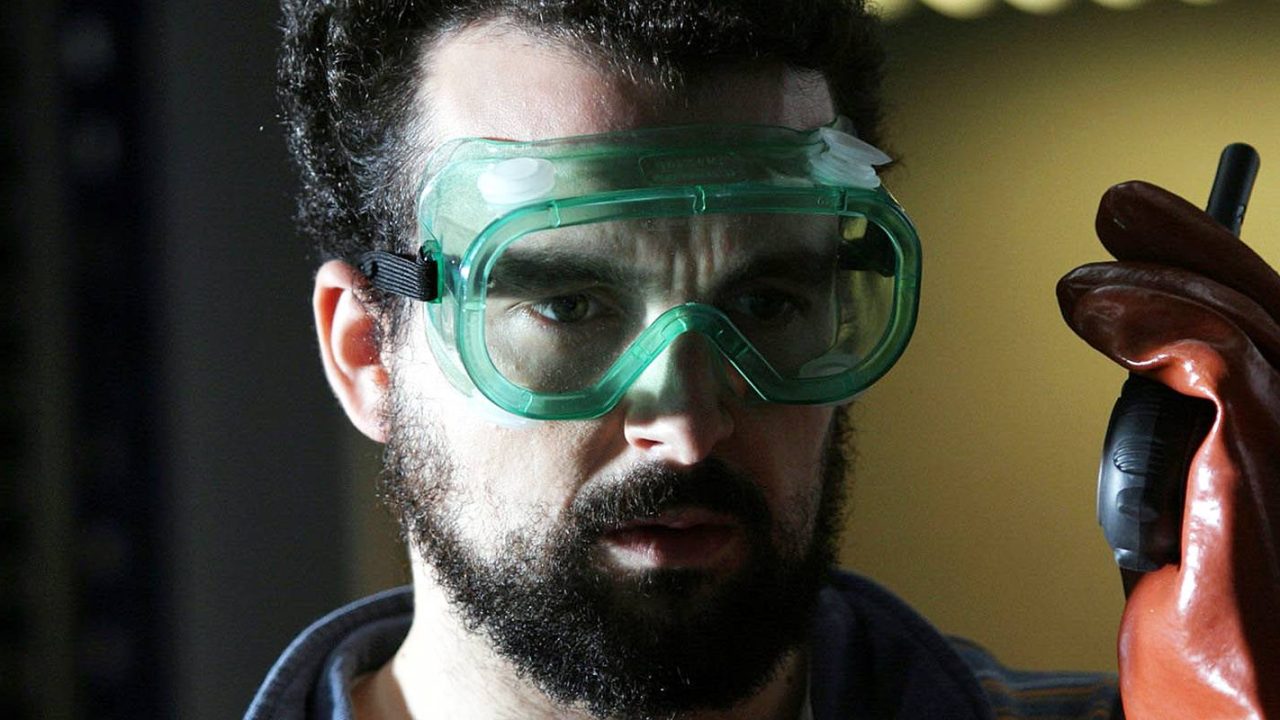
One of the most quietly beloved time-travel films ever made is about to disappear from HBO Max — and if you haven’t seen it yet, the clock is genuinely ticking.
Timecrimes (original Spanish title: Los Cronocrímenes), the 2007 Spanish science fiction thriller that earned a rare 90% on Rotten Tomatoes, is scheduled to leave the streaming platform in April 2026. For fans of smart, low-budget filmmaking that actually respects your intelligence, this one stings.
The film runs just 92 minutes. It asks almost nothing of your time. What it gives back, though, is a masterclass in how a time-travel story should work — tight, logical, and deeply satisfying in a way that big-budget sci-fi blockbusters rarely manage to pull off.
What Makes Timecrimes Worth Watching Before It’s Gone
To understand why this film matters, it helps to think about where it sits in the broader landscape of time-travel cinema. A few years before Timecrimes arrived, the American indie film Primer made waves by presenting time travel as something so technically dense and deliberately obscure that viewers practically needed an engineering degree to follow along. It was brilliant, but also alienating for a lot of audiences.
Timecrimes took a completely different approach. Rather than burying viewers in complicated mechanics, it built its story around a principle of internal logic — the idea that a plot doesn’t need to explain every scientific detail, as long as its own rules remain consistent and coherent from start to finish. If the story follows its own internal laws faithfully, the audience will follow along willingly.
The result is a film that feels genuinely clever without ever feeling smug about it. It’s the kind of movie you finish and immediately want to talk about — or watch again from the beginning with fresh eyes.
The Film at a Glance
| Detail | Information |
|---|---|
| Title | Timecrimes (Los Cronocrímenes) |
| Year | 2007 |
| Origin | Spain |
| Runtime | 92 minutes |
| Rotten Tomatoes Score | 90% |
| Currently Streaming On | HBO Max |
| Leaving Streaming | April 2026 |
| Genre | Science Fiction / Thriller |
Those numbers tell a story on their own. A 90% critical approval rating for a small European independent film is genuinely rare. It places Timecrimes in the company of films that critics didn’t just appreciate — they championed.
Why the “Internal Logic” Argument Actually Matters
The debate between complexity and coherence runs through nearly every discussion of great time-travel storytelling. Films like Primer are celebrated for their uncompromising density. Films like Back to the Future are beloved for their accessibility. Timecrimes sits in a fascinating middle ground.
It’s not trying to dumb anything down. The plot is genuinely intricate, and the film trusts viewers to pay attention. But it never loses itself in technical jargon or deliberately obscure plotting. Every twist follows naturally from what came before. Every revelation feels earned.
This is what makes it such a strong argument for the “internal logic” school of filmmaking. You don’t need to explain the science if the story itself is airtight. Audiences are remarkably good at accepting premises they can’t fully explain, as long as the story plays fair with them.
For anyone who bounced off Primer or found Christopher Nolan’s Tenet exhausting rather than exhilarating, Timecrimes offers a genuinely refreshing alternative — equally smart, far more accessible, and arguably more emotionally satisfying.
The Broader Significance of Losing It From Streaming
When a film like this leaves a major platform, it doesn’t just become less convenient to watch. For many viewers, it effectively disappears. Not everyone seeks out physical media or knows where to look for international films outside of major streaming services.
Timecrimes is exactly the kind of film that streaming was supposed to make more discoverable — a foreign-language gem from 2007 that might never have found a wide English-speaking audience without platforms like HBO Max surfacing it to new viewers.
Its departure is a reminder that streaming libraries are not permanent archives. Films cycle in and out, often without much warning, and cult favorites with smaller audiences are frequently the first to go. If you’ve been meaning to get around to this one, April 2026 is your hard deadline.
- The film runs only 92 minutes — a genuinely low time commitment
- No prior knowledge of time-travel films is required to enjoy it
- Its 90% Rotten Tomatoes score reflects near-universal critical praise
- It works as a standalone thriller even before the time-travel elements fully kick in
- For fans of European genre cinema, it represents some of the best the continent has produced in the sci-fi space
What Happens After It Leaves HBO Max
Once Timecrimes exits HBO Max in April 2026, its availability on other streaming platforms has not been confirmed. Viewers who miss the window may need to look toward digital rental or purchase options, or physical media, to track it down.
Given its cult status and critical reputation, it seems likely to resurface on streaming at some point — these things tend to cycle. But there’s no guarantee of when, or on which platform. The safest move is to watch it now, while it’s still a single click away.
Films this good don’t come around constantly. Ninety-two minutes, a 90% score, and a story that will genuinely stick with you — that’s a rare combination. Don’t let the deadline sneak up on you.
Frequently Asked Questions
What is Timecrimes and where is it from?
Timecrimes, originally titled Los Cronocrímenes, is a 2007 Spanish science fiction thriller that runs 92 minutes and holds a 90% rating on Rotten Tomatoes.
When is Timecrimes leaving HBO Max?
The film is scheduled to leave HBO Max in April 2026, according to reporting from Collider published in March 2026.
Is Timecrimes similar to Primer?
Both are small-scale independent time-travel films, but Timecrimes is considered more accessible than Primer because it prioritizes internal story logic over technical complexity.
Where can I watch Timecrimes after it leaves HBO Max?
That has not yet been confirmed. Viewers may need to explore digital rental or purchase options once it exits the platform.
How long is Timecrimes?
The film runs 92 minutes, making it a relatively short and efficient watch compared to most modern science fiction films.
Is Timecrimes worth watching if I don’t usually like time-travel movies?
Critics have praised it specifically for being coherent and emotionally satisfying rather than confusing, which may make it a strong entry point for viewers who find the genre frustrating.




Leave a Reply