
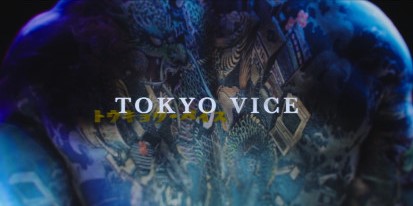
Some TV shows leave you genuinely frustrated — not because they were bad, but because they were so clearly capable of being something special. Tokyo Vice, the HBO Max original crime thriller, falls squarely into that category. Brilliant, immersive, and deeply atmospheric, it ran for just two seasons before being cancelled, leaving fans and critics to wonder what could have been.
The series earned a reputation as one of the more underappreciated prestige dramas of its era. And based on what the show demonstrated across its limited run — particularly in its second season — the argument that it deserved more time to fully realize its potential is a compelling one.
If you haven’t watched it yet, or if you’re mourning its cancellation, here’s a full look at why Tokyo Vice came so close to masterpiece status, and why its ending still stings.
What Tokyo Vice Was and Why It Stood Out
Tokyo Vice is an HBO Max original series set in the neon-lit criminal underworld of Japan’s capital city. The show blended crime thriller conventions with a deeply immersive portrait of Tokyo’s yakuza culture, foreign journalism, and the moral grey zones that exist between law enforcement and organized crime.
From its visual style to its storytelling ambitions, the series positioned itself as something genuinely different from standard American crime dramas. It wasn’t just about violence or procedural beats — it was about culture clash, identity, and the cost of chasing a story that puts you in the middle of something far larger than yourself.
That kind of layered, atmospheric storytelling is exactly what prestige television is supposed to deliver. Tokyo Vice delivered it consistently enough that its cancellation felt like a real loss to the genre.
The Case for Tokyo Vice as a Near-Masterpiece
What makes the “so close to a masterpiece” argument so persuasive is the show’s trajectory. Season 1, which premiered in 2022, introduced the world and its characters with considerable confidence. But it was season 2 where the series made a significant leap forward — tightening its storytelling, deepening its character work, and demonstrating that the creative team had a clear vision for where the show was heading.
That kind of improvement between seasons is a strong indicator of a series finding its footing. Many of the greatest prestige dramas in television history took a full season to fully click into place. Tokyo Vice appeared to be doing exactly that — and then it was cancelled before it could fully deliver on the promise of what season 2 suggested was possible.
The frustration among viewers and critics stems from this specific dynamic. It’s one thing to cancel a show that peaked early. It’s another to cancel one that was visibly getting better.
Tokyo Vice at a Glance
| Detail | Information |
|---|---|
| Network / Platform | HBO Max |
| Genre | Crime Thriller |
| Total Seasons | 2 |
| Season 1 Premiere | 2022 |
| Status | Cancelled after Season 2 |
| Critical Reception | Widely praised as brilliant and immersive |
What the Cancellation Actually Cost the Show
When a series like Tokyo Vice gets cancelled after just two seasons, the loss isn’t just about unresolved plotlines. It’s about the kind of storytelling that requires time and space to fully mature.
Crime thrillers with genuine ambition — the kind that build intricate worlds and invest heavily in character development — typically need three or four seasons to reach their full potential. Two seasons is enough to establish a world and begin to explore it. It is rarely enough to complete the kind of arc that turns a very good show into an all-time great one.
That’s the gap Tokyo Vice was never given the chance to close. Season 2’s marked improvement suggested the writers knew exactly where they were going. The cancellation means viewers never got to find out if the destination was worth the journey — and based on what the show was building toward, there’s every reason to believe it would have been.
Why This Kind of Cancellation Matters Beyond One Show
Tokyo Vice is part of a broader pattern that frustrates television audiences and critics alike. Streaming platforms and premium cable networks have increasingly moved toward shorter, limited-run content — and when an ambitious serialized drama doesn’t immediately generate the kind of attention that justifies renewal, it gets cut before it can build the audience it deserves.
The shows that tend to survive long enough to become genuine classics often had rocky starts. They were given room to grow. Tokyo Vice, by most accounts, was already past the rocky start phase when it was cancelled. That’s what makes its fate particularly difficult to accept for the viewers who stuck with it.
For fans of intelligent, atmospheric crime television, Tokyo Vice remains a series worth watching precisely because of what it achieved — even if what it could have achieved remains permanently out of reach.
Frequently Asked Questions
What is Tokyo Vice?
Tokyo Vice is an HBO Max original crime thriller series set in Tokyo’s criminal underworld, focused on yakuza culture and foreign journalism.
How many seasons of Tokyo Vice are there?
The series ran for two seasons before being cancelled by HBO Max.
When did Tokyo Vice first premiere?
The series premiered in 2022 with its first season.
Was Tokyo Vice well-received by critics?
Yes — the show was widely described as brilliant and deeply immersive, with season 2 considered a significant improvement over the first season.
Why was Tokyo Vice cancelled?
An official detailed explanation for the cancellation has not been confirmed in available reporting, but the show ended after its two-season run on HBO Max.
Is Tokyo Vice still worth watching even though it was cancelled?
Critics and fans argue it absolutely is — the two seasons that exist represent a compelling, atmospheric crime thriller that came very close to masterpiece territory.



Leave a Reply