
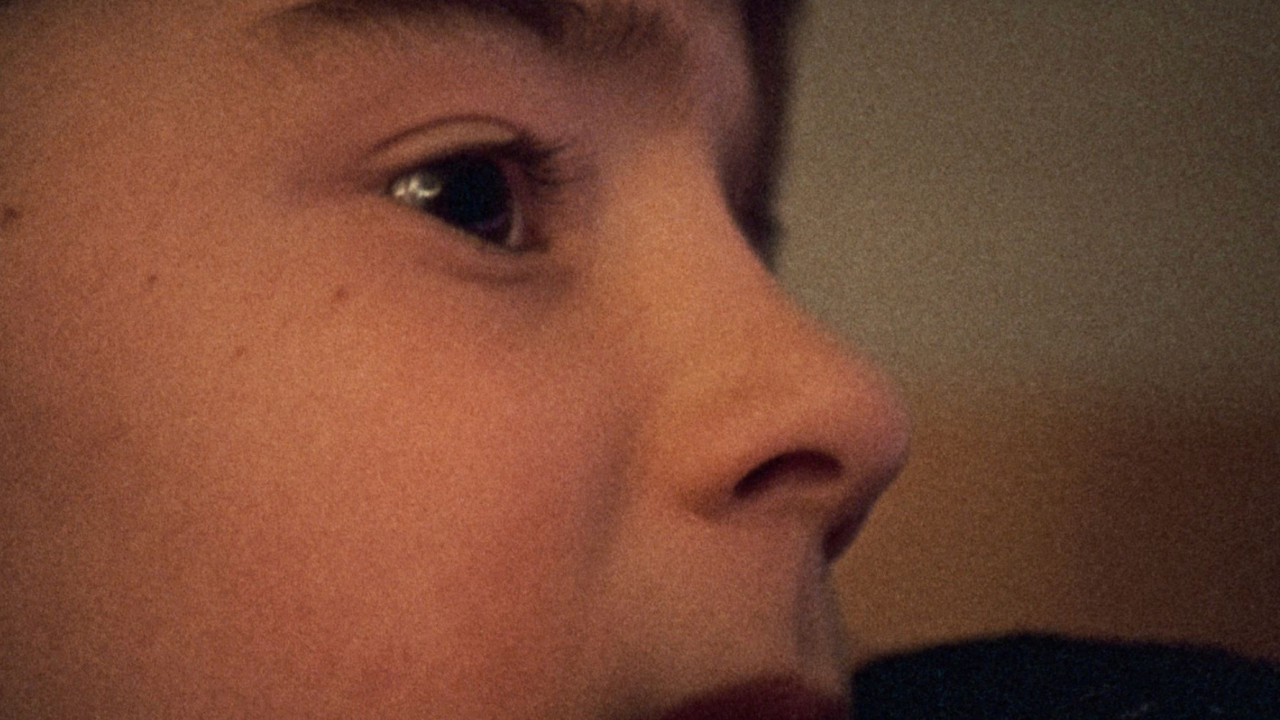
The True/False Film Fest has long been one of the most respected documentary showcases in North America — a place where nonfiction filmmaking gets treated with the same seriousness and passion that Sundance gives to narrative features. The 2026 edition continued that tradition, drawing audiences to Columbia, Missouri for a slate of films that ranged from quietly personal to genuinely urgent.
Documentary fans and film festival followers have reason to pay attention to what comes out of True/False each year. The films that premiere or screen there frequently go on to shape the broader conversation around nonfiction cinema — landing on streaming platforms, earning awards recognition, and finding audiences far beyond the festival circuit.
Where full details are unavailable, that is noted honestly.
What Makes True/False Different From Other Documentary Festivals
True/False is not a typical film festival. It takes place annually in Columbia, Missouri — home of the University of Missouri — and has built a reputation over two decades for championing documentary and nonfiction work that pushes at the edges of the form. The festival is known for its intimate atmosphere, its commitment to filmmakers, and its willingness to program challenging, experimental, and politically charged work alongside more accessible stories.
Unlike Sundance or SXSW, True/False keeps its focus narrow and its programming intentional. That focus is precisely what gives it credibility among serious documentary audiences. When a film does well at True/False, it tends to mean something.
The 2026 edition, covered by Collider’s Samuel R. Murrian, highlighted five documentaries worth tracking — though the full detailed breakdown of those titles was not available in
Why Documentary Film Festivals Still Matter in 2026
Streaming has changed almost everything about how audiences find films, but it has not eliminated the importance of festivals — if anything, it has made the curation role of events like True/False more valuable, not less.
With thousands of documentaries produced and released every year across Netflix, Max, Hulu, Apple TV+, and documentary-specific platforms like MUBI, audiences face a genuine discovery problem. Festivals cut through the noise. A strong showing at True/False signals to distributors, programmers, and viewers that a film is worth their time.
That signal matters especially for documentary, a genre that still struggles to find wide audiences despite producing some of the most compelling storytelling in cinema. The films that get spotlighted at True/False often represent the best of what nonfiction filmmaking can do — bearing witness, asking hard questions, and refusing easy answers.
The 2026 True/False Slate: What We Know
The article published by Collider on March 18, 2026, written by Samuel R. Murrian, identified five documentaries from the 2026 True/False Film Fest as standouts. Murrian covers entertainment journalism with a particular focus on film, and his coverage of True/False reflects the kind of on-the-ground festival reporting that gives readers a genuine sense of what is worth watching before wider distribution.
Because the full text of that article was not accessible in What is confirmed: the piece was published in March 2026, it covered five films, and it appeared on Collider — one of the most widely read entertainment news and criticism outlets in the United States.
| Detail | Confirmed Information |
|---|---|
| Publication | Collider |
| Author | Samuel R. Murrian |
| Published Date | March 18, 2026 |
| Number of Films Covered | 5 |
| Festival | True/False Film Fest 2026 |
| Festival Location | Columbia, Missouri |
How to Follow True/False Documentaries After the Festival
If you want to track down the films that generate buzz at True/False, the path from festival premiere to public availability typically follows a recognizable pattern. Films screen at the festival, generate word of mouth and critical coverage, attract distribution deals, and then arrive on streaming platforms or in limited theatrical release — sometimes within months, sometimes over the course of a year or more.
The best way to stay ahead of that curve is to follow coverage from outlets like Collider, IndieWire, and The Hollywood Reporter in the weeks immediately following the festival. Distribution announcements tend to come quickly for films that make a strong impression.
- Watch for acquisition announcements from major streaming platforms in the weeks after True/False
- Follow critics and journalists who attended the festival for early recommendations
- Check the True/False Film Fest official channels for updates on individual films
- Look for the films at follow-on festivals including Hot Docs, Full Frame, and AFI Docs
Why Nonfiction Cinema Deserves More of Your Attention
Documentary has never been more ambitious or more varied than it is right now. The form has expanded to include hybrid films that blur the line between fiction and nonfiction, immersive observational works, and deeply reported investigative pieces that read like long-form journalism translated to the screen.
True/False has always been at the forefront of that expansion. The films it champions tend to be the ones that challenge what documentary is supposed to look like — and that willingness to push boundaries is exactly why the festival’s recommendations carry weight with serious film audiences.
Whether you are a longtime documentary devotee or someone just starting to explore nonfiction film beyond the obvious Netflix titles, paying attention to what comes out of True/False each year is one of the most reliable ways to find work that is genuinely worth your time.
Frequently Asked Questions
When was the True/False Film Fest 2026 article published?
The Collider article covering five great documentaries from the True/False Film Fest 2026 was published on March 18, 2026.
Who wrote the True/False Film Fest 2026 coverage for Collider?
The article was written by Samuel R. Murrian, Collider’s List Flex Editor, who has worked in entertainment journalism for over ten years.
Where does the True/False Film Fest take place?
The True/False Film Fest is held annually in Columbia, Missouri.
How many documentaries did the Collider article highlight?
The article highlighted five documentaries from the 2026 festival edition.
What are the specific titles of the five documentaries featured?
The specific film titles were not available in
Where can I watch films from True/False after the festival?
Films from True/False typically become available through streaming platforms and limited theatrical release in the months following the festival, with distribution deals often announced shortly after the event concludes.

Leave a Reply