
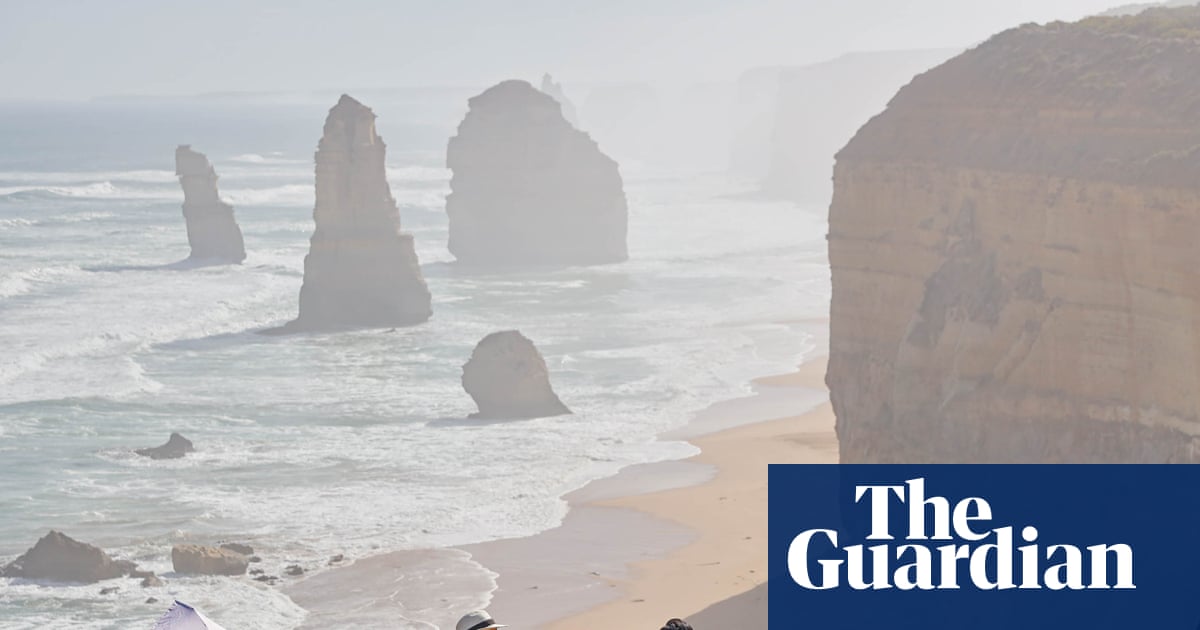
One of Australia’s most photographed natural wonders is about to cost visitors more than just the drive to get there. The Twelve Apostles, the dramatic limestone stacks rising from the Southern Ocean along the Great Ocean Road, is set to introduce an entry fee — a move that has sparked genuine alarm among tourism operators, local business owners, and travellers who have long enjoyed free access to the site.
For decades, the Twelve Apostles has been one of those rare bucket-list destinations that didn’t charge a cent to visit. That’s about to change, and the ripple effects could reach far beyond the car park.
The government’s position is straightforward: the fee will fund conservation efforts and improve visitor infrastructure. But critics aren’t convinced the trade-off is worth it — and they’re raising serious questions about what this means for the communities that depend on steady tourist traffic to survive.
Why the Twelve Apostles Entry Fee Is Causing Such a Stir
The Great Ocean Road corridor is more than a scenic drive. It’s an economic lifeline for dozens of small towns and regional businesses that rely almost entirely on tourist spending. When visitors stop at the Twelve Apostles, they don’t just look at rocks — they fill up at local petrol stations, eat at nearby cafés, book accommodation in the region, and often extend their trips to explore surrounding areas.
Introducing a fee at the centrepiece attraction of that journey changes the calculation for travellers. Even a modest charge can shift behaviour — particularly for budget-conscious domestic tourists, families, and international visitors comparing Australia against other destinations where natural landmarks remain free.
The concern isn’t just philosophical. Tourism operators in the region are worried that a fee signals a broader shift in how Australia manages its natural attractions, and that the Twelve Apostles is only the beginning.
The Business Case Against the New Charge
Ben Whitmore, the chief marketing officer at East Coast Car Rentals, is among those who have spoken out about the potential economic fallout. His concern reflects a wider industry anxiety: that adding friction to the visitor experience — even in the form of a small fee — can meaningfully reduce footfall and, by extension, revenue for businesses that have no direct relationship with the landmark itself.
The logic is simple. Tourists plan road trips around free highlights. When those highlights become ticketed attractions, some travellers reroute. Others trim the trip entirely. The businesses that suffer aren’t the ones collecting the fee — they’re the cafés, motels, tour operators, and hire car companies scattered along the route.
Here’s a snapshot of what’s at stake for the region:
| Stakeholder Group | Primary Concern | Potential Impact |
|---|---|---|
| Regional tourism businesses | Reduced visitor numbers along Great Ocean Road | Lower foot traffic and spending in local towns |
| Domestic travellers | Added cost to an already expensive road trip | May skip the site or shorten overall trip |
| International tourists | Perception of Australia as an expensive destination | Could influence destination choice at planning stage |
| Car hire and transport operators | Decline in Great Ocean Road bookings | Reduced demand for regional travel packages |
| Government / park managers | Conservation funding and infrastructure upkeep | Fee revenue directed toward site maintenance |
What This Means for Anyone Planning to Visit
If you’ve had the Twelve Apostles on your travel list, the window for a free visit is closing. Once the fee is introduced, access to one of Australia’s most iconic natural sites will come with a price tag attached — and the full details of how the system will work, including how visitors will pay and whether there are exemptions, are still emerging.
For international visitors, the fee adds to an already significant cost base. Australia is not a cheap destination. Flights, accommodation, and car hire along the Great Ocean Road represent a substantial investment before a single attraction is visited. An entry fee at the headline attraction of the journey — however the government frames it — is likely to register as yet another expense in an already stretched travel budget.
For domestic travellers, particularly families and road-trippers from Melbourne, the change may feel more personal. The Twelve Apostles has always been one of those places you could just turn up to. That ease of access is part of what makes it special. A fee, even a small one, changes the emotional relationship between the visitor and the place.
Local businesses face the most immediate uncertainty. Without knowing the fee amount, the rollout timeline, or how aggressively it will be enforced and marketed, operators can’t fully assess the risk — which makes planning for the next season genuinely difficult.
What Happens Next Along the Great Ocean Road
The fee has been announced, but the finer details — including the exact amount, the introduction date, and the specific infrastructure improvements it will fund — have not all been made public. That uncertainty is itself a problem for businesses trying to adjust their marketing, pricing, and visitor expectations ahead of the change.
What seems clear is that the government intends to press ahead. The official argument centres on sustainability: the Twelve Apostles draws enormous visitor numbers, and those numbers put pressure on the site. A fee, the reasoning goes, helps manage that pressure while funding the maintenance and conservation work the landmark requires.
Whether that argument wins over sceptical tourism operators and travellers remains to be seen. The debate will likely intensify as the rollout date approaches and the fee amount becomes public knowledge. For now, the Great Ocean Road’s most famous stop sits at the centre of a genuine tension between conservation logic and economic reality — and neither side is backing down easily.
Frequently Asked Questions
Is the Twelve Apostles entry fee confirmed?
Yes, an entry fee for the Twelve Apostles has been announced, though full details including the exact amount and launch date have not all been confirmed publicly.
Why is the government introducing a fee at the Twelve Apostles?
Officials argue the fee will help protect the landmark and fund improvements to visitor infrastructure at the site.
Who has raised concerns about the fee?
Ben Whitmore, the chief marketing officer at East Coast Car Rentals, is among the tourism industry figures who have spoken out about the potential negative impact on regional businesses.
Will the fee affect tourism businesses along the Great Ocean Road?
Many operators fear it will, arguing that reduced visitor numbers at the Twelve Apostles could cut spending across the broader region, including accommodation, dining, and transport businesses.
How much will the entry fee cost?
The specific fee amount has not yet been confirmed in available information.
Are there exemptions planned for locals or frequent visitors?
This has not yet been confirmed based on currently available details about the proposal.


Leave a Reply