
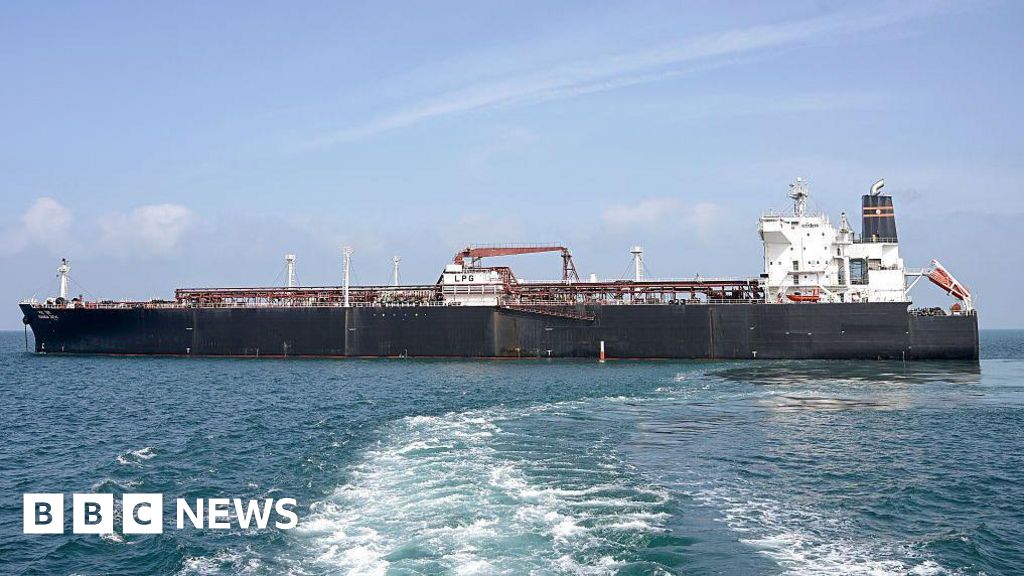
More than twenty countries have now signed onto a joint travel warning for the Strait of Hormuz — one of the most strategically critical waterways on the planet — citing escalating security concerns tied to Iranian attacks on commercial vessels and energy infrastructure.
The joint statement, issued on March 21, 2026, marks a significant moment in international maritime diplomacy. When nations as geographically and politically varied as Poland, the United Kingdom, Romania, Canada, the UAE, Australia, and Germany align on a single warning, it signals that the situation in the region has moved well beyond routine caution.
For travelers, shipping crews, energy workers, and anyone with ties to the Gulf region — including Qatar, Bahrain, Oman, Saudi Arabia, and the UAE — this warning carries real, immediate weight.
Why the Strait of Hormuz Warning Matters Right Now
The Strait of Hormuz is not just another shipping lane. It is the single most important chokepoint for global oil and gas shipments. A significant portion of the world’s energy supply passes through this narrow stretch of water between Iran and the Arabian Peninsula every day.
When that route is threatened — whether by military action, seizures of commercial vessels, or attacks on energy infrastructure — the consequences ripple outward fast. Fuel prices rise. Supply chains strain. Governments that depend on stable energy imports begin making contingency plans.
According to The coordinated response from over twenty countries reflects how seriously the international community is taking the current threat level.
Which Countries Signed the Joint Travel Warning
The coalition behind this warning is notably broad, spanning multiple continents and representing a wide cross-section of global interests. The confirmed signatories named in the joint statement include:
- United Kingdom
- Poland
- Romania
- Canada
- United Arab Emirates
- Australia
- Germany
- Fifteen additional countries
The inclusion of the UAE itself as a co-signatory is particularly notable. As a Gulf state directly within the affected region, the UAE’s participation in the warning underscores that this is not simply Western nations expressing concern from a distance — regional governments are sounding the alarm too.
| Statement Detail | Information |
|---|---|
| Date of Joint Statement | March 21, 2026 |
| Number of Signatory Countries | More than twenty |
| Primary Area of Concern | Strait of Hormuz, Iran |
| Trigger for Warning | Iranian attacks on commercial vessels and energy infrastructure |
| Regions Covered by Safety Measures | Qatar, UAE, Bahrain, Oman, Saudi Arabia, and broader Gulf region |
| Response Measures Included | Urgent safety measures and evacuation assistance |
Who Is Directly Affected — and What the Warning Means for Them
The practical scope of this warning is wide. The countries specifically mentioned in connection with evacuation assistance and urgent safety measures include Qatar, the UAE, Bahrain, Oman, and Saudi Arabia — the core Gulf Cooperation Council states that sit closest to the Strait of Hormuz.
If you are currently in any of these countries, or planning to travel there, the joint statement is a direct signal to reassess your plans. The warning does not appear to be precautionary in the routine sense — it comes with explicit mentions of evacuation assistance, which suggests governments are preparing for scenarios where civilian departures may become necessary.
For maritime workers and shipping crews operating in or near the Strait of Hormuz, the risks are even more immediate. The warning’s reference to attacks on commercial vessels means the threat is not theoretical — vessels have already been targeted.
Energy sector workers stationed at infrastructure facilities in the Gulf region are also within the scope of the warning. The mention of attacks on energy infrastructure points to risks that extend beyond the water itself and into onshore facilities across the region.
The Bigger Picture: International Cooperation Under Pressure
What makes this joint statement significant beyond its immediate travel advisory function is what it reveals about the state of international coordination. Getting more than twenty countries — including Gulf states, European nations, and major Western allies — to sign a single unified statement is no small diplomatic feat.
Officials involved in the statement have framed it as a decisive call for action to protect maritime safety and ensure the continued flow of global energy supplies through the Strait of Hormuz. The language of the warning emphasizes both the urgency of the current threat and the need for sustained international cooperation going forward.
The Strait of Hormuz has long been a flashpoint in geopolitical tensions involving Iran. But the issuance of a formal, multi-nation joint travel warning — including evacuation assistance language — represents an escalation in how the international community is formally responding to the situation.
What Travelers and Residents Should Do Now
If you have travel plans involving any of the affected Gulf states, the most immediate step is to check the official travel advisories issued by your home country’s foreign ministry. Given that more than twenty governments have now aligned on this warning, most national travel advisory systems will reflect elevated or critical risk designations for the region.
Residents of the affected countries — particularly expatriates from signatory nations — should register with their country’s embassy if they have not already done so. Evacuation assistance, as referenced in the joint statement, is typically coordinated through embassy registration systems.
For maritime and energy sector professionals, direct consultation with employers and relevant industry safety bodies is essential. Standard commercial travel insurance policies frequently exclude coverage in regions under active government travel warnings, so reviewing your coverage before any movement in or out of the region is a practical necessity.
The situation remains active and developing. Given the pace at which the coalition of signatory countries expanded to include Poland and others, further updates to the warning’s scope or severity are possible in the days and weeks ahead.
Frequently Asked Questions
When was the joint travel warning for the Strait of Hormuz issued?
The joint statement was issued on March 21, 2026, by a coalition of more than twenty countries including the UK, Poland, Canada, Australia, Germany, Romania, and the UAE.
Which Gulf countries are covered by the evacuation assistance measures?
The joint warning specifically references Qatar, the UAE, Bahrain, Oman, and Saudi Arabia as regions covered by urgent safety measures and evacuation assistance.
What triggered the joint travel warning?
According to the statement, the warning was prompted by escalating security concerns following Iranian attacks on commercial vessels and energy infrastructure in the region.
Why did Poland join the warning?
Does the warning apply to tourists as well as maritime workers?
The warning covers the broader Gulf region and references evacuation assistance for multiple countries, suggesting it applies to all travelers and residents — not only those working in maritime or energy sectors.
Is this warning likely to be updated or expanded further?
This has not been confirmed, but given that the coalition already spans more than twenty countries and the situation is described as actively escalating, further updates to the warning are possible.




Leave a Reply