
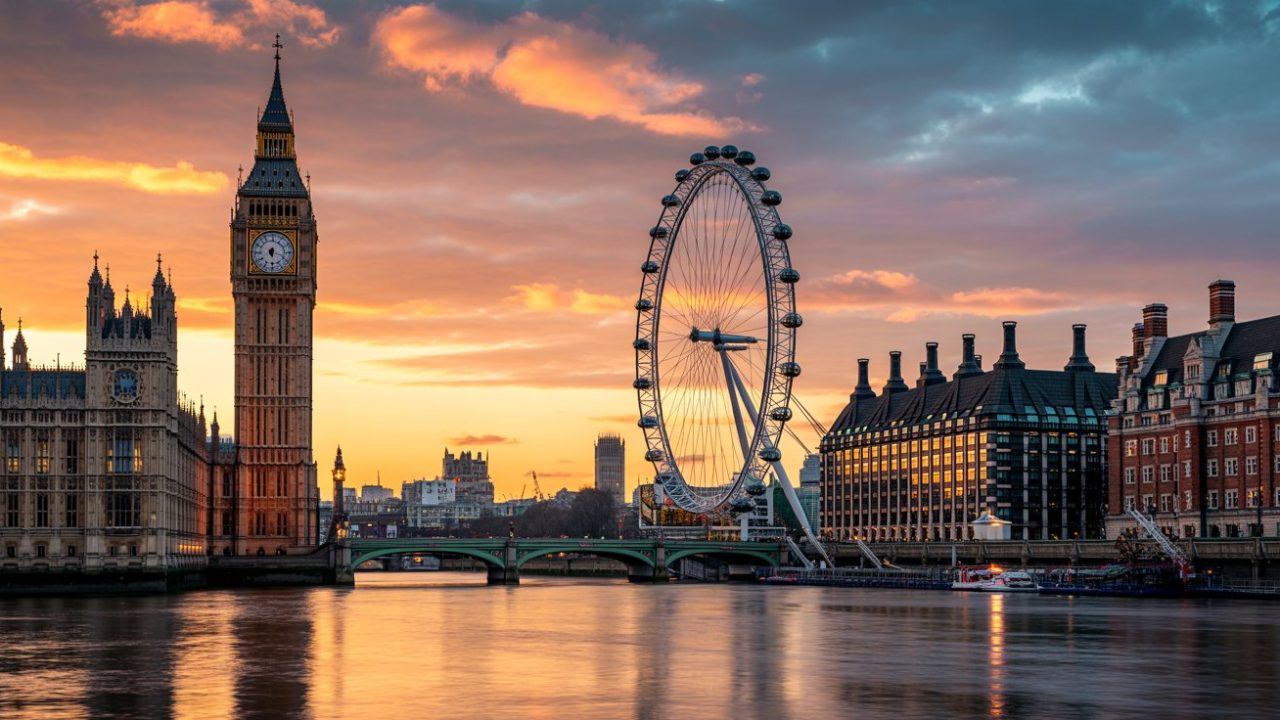
The United Kingdom — one of the most visited destinations on earth for American travelers — is currently rated by the US State Department at Level 2: Exercise Increased Caution. That places Britain in a different safety category than many of its European neighbors, and as the 2026 spring travel season picks up speed, that distinction is worth understanding before you book your flights.
For millions of Americans, London and Scotland feel almost like familiar territory. The shared language, the cultural overlap, the sense that you know the place before you’ve even landed. But familiarity can breed complacency, and that’s exactly what federal travel officials are pushing back against with this designation.
This isn’t a travel ban, and it isn’t a reason to cancel your trip. What it is, is a signal from the US government that traveling to the UK in 2026 requires more awareness than it might have in years past.
What the Level 2 Rating Actually Means for UK Travel
The US State Department uses a four-tier system to communicate travel risk to American citizens. Level 1 is “Normal Precautions” — the lowest concern. Level 2, where the UK currently sits, is “Exercise Increased Caution.” Levels 3 and 4 represent “Reconsider Travel” and “Do Not Travel,” respectively.
Being at Level 2 doesn’t mean London is dangerous in the way some other global cities might be. What it means is that the federal government has identified a persistent undercurrent of concern — conditions that warrant more active awareness from travelers rather than relaxed sightseeing mode.
Several other European countries currently hold a Level 1 rating, meaning the UK’s designation stands out on the continent. That contrast is part of why this update matters: Americans planning a European trip may not realize the UK sits in a different advisory tier than, say, other popular Western European destinations.
Key Facts About the US Travel Advisory System
Here’s a quick breakdown of how the State Department’s travel advisory levels compare, and where the UK fits within that framework:
| Advisory Level | Designation | What It Means for Travelers |
|---|---|---|
| Level 1 | Exercise Normal Precautions | Lowest risk; standard travel awareness applies |
| Level 2 | Exercise Increased Caution | Heightened awareness required; UK currently at this level |
| Level 3 | Reconsider Travel | Serious risks present; travel should be carefully weighed |
| Level 4 | Do Not Travel | Highest risk; US government advises against all travel |
- The UK’s Level 2 status has been officially maintained as of the 2026 spring travel season
- Multiple neighboring European nations currently hold a Level 1 rating, making the UK’s designation a notable contrast
- The advisory applies across the United Kingdom, including England, Scotland, Wales, and Northern Ireland
- The State Department describes the concern as a “persistent undercurrent” rather than an acute or immediate crisis
- American travelers are urged to stay alert while still being able to enjoy their trips
Who This Affects — and How Much It Should Change Your Plans
If you’ve already booked a London trip or a Scottish highlands adventure for spring 2026, you don’t need to panic. A Level 2 advisory is not a warning to stay home. Millions of Americans travel to Level 2 countries every year without incident. The point is to go in with your eyes open.
What the advisory does suggest is that travelers should be more proactive about their preparations. That means registering with the Smart Traveler Enrollment Program (STEP) before departure, keeping an eye on local news while you’re there, knowing where the nearest US Embassy or Consulate is, and being alert in crowded public spaces — particularly in a city as busy as London.
The spring season is one of the busiest travel periods for transatlantic routes, which means airports, tourist attractions, and public transit will all be operating at high capacity. Heightened awareness in those environments is simply good practice, regardless of advisory level.
For families traveling with children, solo travelers, and first-time visitors to the UK, the Level 2 status is a useful reminder that even destinations that feel safe and familiar deserve thoughtful preparation. The British culture and landscape remain as welcoming as ever — but the global climate in 2026 has shifted how governments, including the US, assess risk in places that once felt entirely routine.
What Smart Travelers Should Do Before Departure
The State Department’s advisory system exists precisely so that travelers can make informed decisions rather than reactive ones. Here’s what officials recommend doing in the lead-up to any trip to a Level 2 country:
- Check the latest advisory on the State Department’s official website before you travel — ratings can change, and spring 2026 is a fluid period globally
- Enroll in STEP (Smart Traveler Enrollment Program) so the US Embassy can reach you in an emergency
- Know your Embassy’s location in London and any other UK cities you plan to visit
- Stay aware of your surroundings, especially in high-traffic tourist areas and on public transportation
- Keep digital and physical copies of your passport, travel insurance, and emergency contacts
None of this should feel alarming. These are the kinds of preparations that experienced travelers treat as second nature. The advisory is simply a formal reminder to apply that same level of care to the UK that you would to any destination where conditions are actively monitored.
Frequently Asked Questions
Is the UK currently safe for American tourists in 2026?
The US State Department has rated the UK at Level 2: Exercise Increased Caution, which means travel is not discouraged but a higher level of awareness is recommended compared to Level 1 destinations.
Does the Level 2 advisory mean I should cancel my London trip?
No. A Level 2 rating does not advise against travel — it advises travelers to be more alert and prepared than they might be for a Level 1 country.
Which European countries currently have a lower risk rating than the UK?
Several neighboring European nations currently hold a Level 1 “Normal Precautions” rating, though specific country names were not detailed in the State Department’s current advisory summary.
Does the advisory apply to Scotland and Wales, or just England?
The advisory applies to the entire United Kingdom, which includes England, Scotland, Wales, and Northern Ireland.
What is the STEP program and should I enroll before visiting the UK?
The Smart Traveler Enrollment Program allows the US Embassy to contact you during emergencies abroad; officials recommend enrolling before any international trip, including to Level 2 countries like the UK.
Could the UK’s advisory level change before my spring 2026 trip?
Advisory levels are subject to change based on global conditions — travelers are encouraged to check the State Department’s official website for the most current rating before departure.




Leave a Reply