
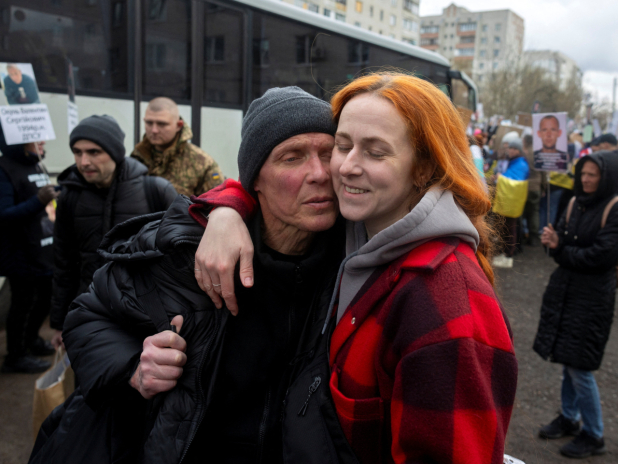
The window closed faster than most travelers could pack a bag. On Thursday, April 10, Russian President Vladimir Putin declared a 32-hour ceasefire over the Orthodox Easter weekend, ordering Russian forces to halt military operations. By Saturday, Ukraine’s military command had already logged nearly 470 violations, including shelling, drone strikes, and artillery fire across active frontlines.
For travelers, travel agents, and tourism boards watching Eastern European routes, the message was stark. A ceasefire declared on Thursday became a ceasefire in name only by Saturday morning. And the ripple effects extended far beyond the frontlines themselves.
This isn’t just a geopolitical story. It’s a travel safety story. The debate now dividing tourism professionals, government advisors, and independent travelers is direct: Can short-term ceasefires ever be trusted as travel windows, or do they create a false sense of security that puts people at greater risk?
The Ceasefire Gamble: Tourism Industry vs. Security Experts
There are two distinct camps forming around this question, and both have legitimate arguments.
On one side sit travel operators, regional tourism economies, and travelers who argue that even imperfect ceasefires create measurable, real-world reductions in risk. On the other side, security analysts and conflict researchers argue that short-duration truces — especially unverified ones — can actively mislead travelers into dangerous proximity to active conflict zones.
The Easter ceasefire collapse has given both sides new ammunition.
| Factor | Tourism Industry View | Security Analyst View |
|---|---|---|
| Short-term ceasefires | Create travel windows, boost regional economies | Unreliable, can attract tourists into harm’s way |
| Violation reports | Geographically isolated to frontlines | Drone strikes spread risk far beyond frontlines |
| Travel advisories | Should be updated dynamically as ceasefires hold | Should remain elevated until verified stability |
| Regional tourism (Poland, Moldova, Romania) | Suffers unfairly due to geographic proximity, not actual danger | Proximity to conflict remains a legitimate risk factor |
| Ceasefire diplomacy | Good-faith gestures that deserve traveler confidence | Propaganda tool that creates false stability narratives |
Side A: Why Some Argue Ceasefires Still Create Valid Travel Opportunities
The tourism industry’s position has economic weight behind it. Countries like Poland, Romania, and Moldova have seen significant disruptions to their tourism sectors since the full-scale conflict escalated in 2022. These nations are not conflict zones. Yet traveler hesitation about the broader region has cost them billions in lost revenue.
Proponents of ceasefire-adjacent travel argue that fighting is geographically concentrated. The actual frontlines in eastern Ukraine are hundreds of miles from major tourist destinations in Kyiv, Lviv, and certainly from neighboring countries. A 32-hour ceasefire, even a partially violated one, statistically reduces artillery fire and drone activity during its window.
They also point to the fact that Ukrainian civilians continue to live, work, and host visitors in western Ukraine throughout the conflict. Lviv, for example, has continued to receive international visitors throughout much of 2024 and 2025. The argument is that blanket travel warnings that treat all of Ukraine, or indeed all of Eastern Europe, as equally dangerous are both inaccurate and economically devastating.
“The broader lesson emerging from the Easter ceasefire collapse is that short-term diplomatic gestures are insufficient to restore travel confidence — but that doesn’t mean travel to the entire region is categorically impossible.”
— analysis, April 2026
Tourism advocates argue the answer is better, more granular travel information — not broad-brush advisories that conflate a frontline village in Zaporizhzhia with a cobblestone square in Krakow.
Side B: Why 470 Violations in Hours Destroys the Ceasefire Travel Logic
Security analysts and conflict researchers have a much harder line, and the Easter ceasefire gave them considerable evidence to work with.
Ukraine’s military reported nearly 470 violations within hours of the truce beginning. Both sides ultimately accused each other of breaching the 32-hour agreement, with combined incident reports exceeding a thousand by Sunday. These weren’t minor technical violations. They included drone strikes, shelling, and active infantry engagements.
The specific danger for travelers is not just the direct risk of being near a shelled area. It’s the infrastructure collapse that follows. Rail lines get disrupted. Border crossings get overwhelmed. Air corridors get restricted on minimal notice. The Easter weekend ceasefire collapse created exactly this kind of cascading disruption across regional transportation networks.
Drone warfare adds a layer of unpredictability that traditional conflict risk models don’t adequately capture. Unlike artillery, which follows a more predictable geographic logic, drone strikes have occurred in Kyiv, Odesa, and other cities well behind any recognizable frontline. A traveler relying on ceasefire status to navigate regional safety is working with fundamentally incomplete information.
Security analysts emphasize a structural point: this ceasefire was declared unilaterally by Russia, without Ukrainian agreement or international verification. There was no monitoring body. No neutral observers. No enforcement mechanism. What was called a ceasefire was, in practice, an announcement that one party claimed it would temporarily reduce activity, with no accountability if it didn’t.
What the Violation Data Actually Shows About Regional Travel Risk
The numbers from the Easter weekend paint a specific picture, not a vague one.
The data point that matters most for travel risk assessment is this: the ceasefire did not reduce the operational tempo of the conflict in any measurable way. Ukraine described it as a ceasefire in name only. Drone strikes continued. Artillery continued. Infrastructure damage continued.
For Eastern European tourism routes, the practical consequences are well-documented from previous escalation cycles. Rail connections through Ukraine get suspended. Moldovan and Romanian border crossings experience surges of displaced persons. Polish border infrastructure gets strained. Air traffic management across the Black Sea region adjusts flight paths. Each of these effects has a direct, measurable impact on tourist mobility.
The data also reveals something uncomfortable about how the conflict is being communicated to potential travelers. Ceasefire announcements generate significant international media attention. Ceasefire collapses generate considerably less. A traveler who read about Putin’s Easter ceasefire declaration on Thursday but didn’t follow the story through Sunday could be operating with a fundamentally false picture of current conditions.
The Editorial Verdict: Ceasefire Windows Are Not Safe Travel Windows
The debate has a clear answer, even if it’s an uncomfortable one for the regional tourism industry.
Short-term, unilaterally declared ceasefires in active conflict zones should not be treated as travel windows. The Easter ceasefire collapse provides the most recent and clearest evidence for this position. Nearly 470 violations were recorded within hours. The truce had no verification mechanism, no neutral oversight, and no Ukrainian agreement. It was, by any operational measure, not a ceasefire.
This doesn’t mean Eastern Europe as a region is off-limits. Poland, the Czech Republic, Hungary, Romania, and the Baltic states remain safe destinations with functioning tourism infrastructure. Even western Ukraine has continued to host visitors throughout the conflict, though current advisories from most governments recommend against all travel to Ukraine regardless of zone.
The legitimate criticism of overly broad travel advisories stands. But the answer to that problem is better geographic granularity in those advisories, not using ceasefire announcements as travel green lights.
What the Easter Collapse Means for Eastern European Tourism Through 2026
The implications reach beyond the Easter weekend itself.
First, the failure of the Easter ceasefire has likely made future humanitarian ceasefire proposals harder to negotiate and harder to trust. If a holiday truce connected to one of the most significant dates in the Orthodox Christian calendar cannot hold for 24 hours, the diplomatic credibility of future short-term pauses will be deeply questioned by international observers and travelers alike.
Second, regional tourism boards in Poland, Romania, and Moldova face a persistent narrative challenge. Every major ceasefire failure generates international headlines that associate Eastern Europe broadly with instability. Countering that narrative requires sustained, specific communication about which destinations are actually safe, not reactive press releases issued after a bad news cycle.
Third, the travel insurance industry is watching closely. Policies covering conflict-adjacent regions are already expensive and heavily caveated. Each high-profile ceasefire collapse adds to actuarial risk calculations. Travelers attempting to visit legitimate, safe destinations in the region will face higher premiums and more restrictive coverage terms as a direct result of conflict escalation cycles.
Finally, there is the question of what genuine stability would actually look like for Eastern European travel routes. The answer is not a 32-hour holiday truce. It’s a sustained, verified, internationally monitored reduction in hostilities sustained over months. Anything shorter is a headline, not a travel condition.
The most dangerous thing a traveler can do right now is confuse a ceasefire announcement with a ceasefire reality — and this Easter proved exactly how wide that gap can be.

Leave a Reply