
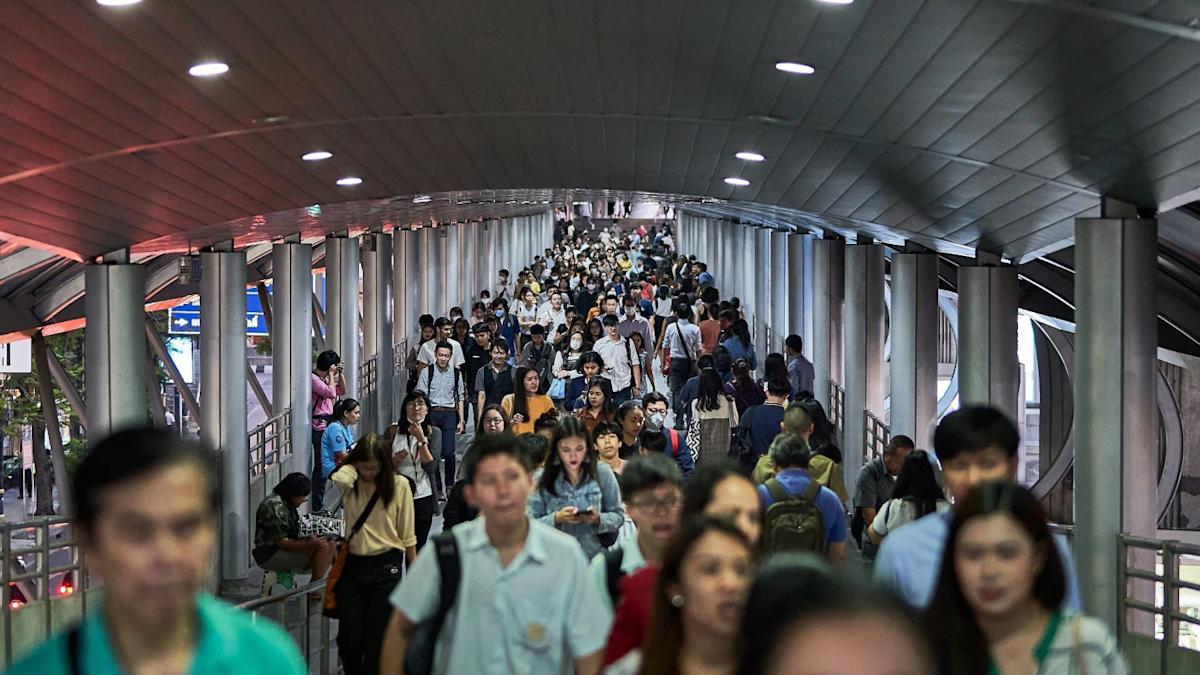
More than 2,500 flight delays and over 100 cancellations recorded in a single period. Security lines stretching past two hours. And millions of travelers heading into one of the busiest spring and summer seasons in recent memory — with no clear end in sight to the disruptions.
That is the reality facing anyone flying through US airports right now. A prolonged partial federal government shutdown has left core travel support workers — including Transportation Security Administration staff — unpaid, triggering rising absenteeism and the kind of cascading delays that turn a manageable travel day into an exhausting ordeal.
Whether you have a flight booked next week or are planning a summer trip, here is what is actually happening, why it matters, and what you can do about it.
Why US Airports Are Struggling Right Now
The root cause of the current disruptions is a prolonged partial federal government shutdown. TSA checkpoint staffing has taken a significant hit, with workers going unpaid and absenteeism rising as a direct result. When security lanes go understaffed, the entire flow of an airport — from check-in to gate — starts to back up.
The effects have spread far beyond a handful of major hubs. Airports from Houston’s George Bush Intercontinental to New York’s JFK have all reported significant strain, and the problem is being felt at inland gateways too, not just the coastal cities that typically dominate travel headlines.
The timing could hardly be worse. Spring and summer travel demand is surging, meaning more passengers are moving through checkpoints at exactly the moment when those checkpoints are least equipped to handle the volume.
The Scale of US Airport Delays in 2026
The numbers coming out of US airports paint a difficult picture. Authorities and airlines have both urged passengers to prepare for extended wait times, with some travelers already experiencing what would have been considered exceptional delays just a year ago.
| Disruption Type | Reported Figure |
|---|---|
| Flight delays recorded (single period) | More than 2,500 |
| Flight cancellations recorded (single period) | Over 100 |
| Security wait times reported | Exceeding two hours at some airports |
| Primary cause | TSA staffing shortages due to federal government shutdown |
| Airports affected | Coastal hubs and inland gateways nationwide, including Houston IAH and New York JFK |
These are not isolated incidents at a single airport on a bad weather day. The disruptions are systemic, driven by a staffing crisis that has built over time and shows no sign of resolving quickly.
- Security wait times have exceeded two hours at multiple airports
- More than 2,500 delays were recorded in a single reporting period
- Over 100 cancellations were logged in that same window
- Both airlines and authorities are urging travelers to arrive early
- Airports affected span coastal hubs and inland gateways across the country
Who Is Feeling This the Most
The short answer: almost everyone flying right now. But some travelers are bearing a heavier burden than others.
Passengers moving through large hub airports like JFK and Houston’s George Bush Intercontinental are dealing with the highest volumes and, by extension, some of the longest waits. Connecting travelers — those who need to clear security and make a tight connection — are particularly exposed, since a two-hour security line can turn a perfectly timed itinerary into a missed flight.
Families traveling with children, older passengers, and anyone with mobility needs face additional pressure when lines are long and staffing is thin. The margin for error shrinks when the system is already stretched.
For airlines, the disruptions create a compounding problem. Delays ripple through the schedule as aircraft and crews fall out of position, meaning a morning delay at one airport can cause an evening delay at another — even if conditions at the second airport are perfectly fine.
What You Should Do Before Your Next Flight
Both airlines and authorities have issued the same core advice: arrive early and prepare for extended processing times. Given that security waits have already exceeded two hours at some airports, the old rule of arriving 90 minutes before a domestic flight may no longer be adequate.
There are practical steps worth taking before you leave for the airport:
- Build in extra time. If you would normally arrive 90 minutes early for a domestic flight, consider extending that to at least two to two-and-a-half hours given current conditions.
- Check your flight status before you leave. With more than 2,500 delays recorded in a single period, the odds of a schedule change are meaningfully higher than usual.
- Know your airline’s rebooking policy. If your flight is cancelled or significantly delayed, understanding your options in advance reduces stress in the moment.
- Pack light and prepare for screening. Longer lines move faster when passengers are organized. Have liquids accessible, laptops out, and shoes easy to remove before you reach the checkpoint.
- Check TSA PreCheck or CLEAR status. Expedited screening programs can significantly reduce wait times, though they are not immune to the broader slowdowns.
What Happens Next for US Air Travel
The trajectory of these disruptions is tied directly to the federal government shutdown. Until TSA workers are consistently paid and staffing levels stabilize, the conditions driving long security waits and flight delays are unlikely to improve on their own.
With spring and summer travel demand continuing to climb, the pressure on airports is only expected to increase in the weeks ahead. Officials have urged passengers to prepare for extended processing as the standard — not the exception — for the foreseeable future.
Travelers who have flexibility in their schedules may want to consider flying at off-peak hours, when checkpoint volumes are lower even under strained staffing conditions. Early morning flights have historically moved through security more quickly than midday or evening departures.
The situation is being monitored closely, and any resolution to the underlying shutdown would likely produce a gradual — rather than immediate — improvement in staffing levels and airport operations.
Frequently Asked Questions
Why are US airports experiencing so many delays right now?
A prolonged partial federal government shutdown has left TSA workers unpaid, leading to rising absenteeism and widespread staffing shortages at security checkpoints across the country.
How long are security wait times at affected airports?
Some airports have reported security wait times exceeding two hours, according to current reports on the situation.
Which airports are most affected by the delays?
The disruptions are being felt at airports nationwide, including major hubs like New York’s JFK and Houston’s George Bush Intercontinental, as well as inland gateways.
How many flights have been delayed or cancelled?
More than 2,500 delays and over 100 cancellations were recorded in a single reporting period, reflecting the scale of the current disruptions.
What are airlines and authorities recommending travelers do?
Both airlines and authorities are urging passengers to arrive early and prepare for extended processing times at security checkpoints.
When will the airport delays improve?
The disruptions are directly linked to the federal government shutdown, and a clear resolution timeline has not yet been confirmed. Travelers should expect extended waits to continue through the near term.




Leave a Reply