
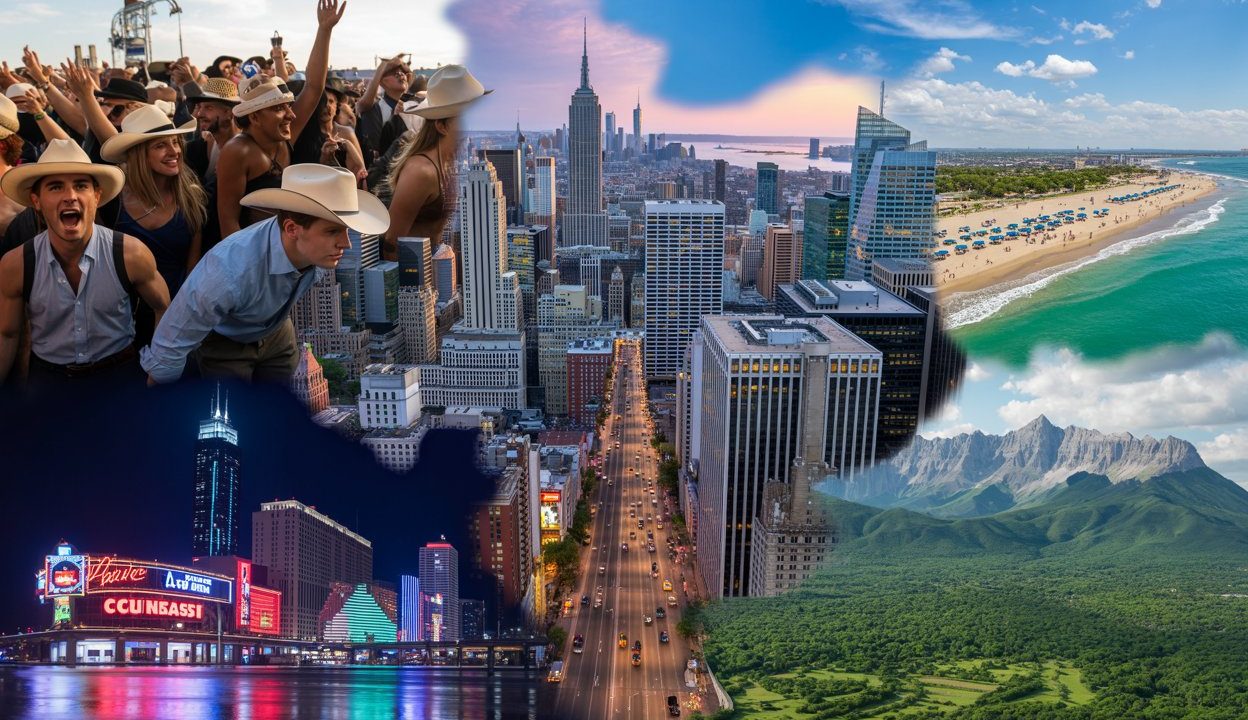
American tourism is pulling in two directions at once — and the split is getting harder to ignore. While millions of U.S. residents are hitting the road and booking domestic trips at a healthy pace, the flow of international visitors into the country is facing serious headwinds. The result is a tourism sector that looks strong on one set of numbers and deeply troubled on another.
States from Texas and New York to California, Florida, Nevada, Illinois, Arkansas, and Hawaii are all feeling this divide in different ways. The forces driving it — shifting diplomatic tensions, visa policy changes, and a broader cooling of global enthusiasm for U.S. travel — are not short-term blips. They are structural pressures that the industry is now being forced to reckon with seriously.
For travelers, tourism workers, and the businesses that depend on visitor spending, understanding what is happening — and why — matters more right now than it has in years.
A Tourism Sector Splitting Down the Middle
The clearest way to describe what is happening in U.S. tourism right now is a tale of two markets. Domestic travel — Americans traveling within their own country — is holding up well and in many regions is genuinely thriving. People are taking road trips, booking short-haul flights, visiting national parks, and spending on weekend getaways at rates that are keeping many hospitality businesses afloat.
International inbound tourism is a different story entirely. The combination of what observers have started calling the “Trump slump” — a perceived unwelcoming atmosphere tied to U.S. political posture — along with ongoing global conflicts and tightened visa processing, is discouraging foreign visitors from choosing the United States as their destination.
This is not just a perception problem. When international tourists stay away, the economic impact falls hardest on major gateway cities and tourist-heavy states. Luxury hotels, high-end retail, cultural attractions, and destination restaurants all depend disproportionately on international visitor spending, which tends to be higher per trip than domestic travel.
Why International Arrivals Are Falling — The Key Pressure Points
Several overlapping forces are combining to push international visitor numbers down across the country’s biggest tourism markets.
- Visa processing delays and policy changes are making it harder and less predictable for travelers from key markets to plan U.S. trips with confidence.
- Geopolitical tensions and ongoing conflicts in various parts of the world are reducing the pool of travelers who feel comfortable or financially able to make long-haul international trips.
- Political atmosphere concerns — the so-called Trump slump — reflect a documented pattern where international travelers, particularly from Europe, Canada, and parts of Latin America, express reluctance to visit a country whose political climate feels hostile or uncertain to them.
- Currency and cost factors are compounding the issue, making U.S. travel more expensive for visitors from countries where exchange rates have moved unfavorably.
The states feeling this most acutely are those that have historically relied on international tourism as a major economic driver — New York, California, Florida, Hawaii, Nevada, Illinois, Texas, and Arkansas among them.
| State | Tourism Profile | Primary Pressure |
|---|---|---|
| New York | Major international gateway city | Declining overseas visitor arrivals |
| California | Top domestic and international destination | Visa uncertainty, political atmosphere |
| Florida | High-volume leisure and family travel | Mixed — strong domestic, softer international |
| Hawaii | Heavy reliance on long-haul visitors | International travel cost and access barriers |
| Nevada | Convention and entertainment destination | Reduced international convention attendance |
| Illinois | Major Midwest hub, cultural tourism | Softer international visitor numbers |
| Texas | Growing destination, diverse tourism base | Border-related travel concerns, visa changes |
| Arkansas | Nature and outdoor tourism focus | Broader sector softness affecting domestic mix |
Who Gets Hurt When International Tourists Stay Home
The ripple effects of falling international arrivals are wide. It is not just the airlines and the big hotel chains — the impact runs deep into local economies that may not immediately appear connected to global travel patterns.
Tour operators who specialize in inbound international groups are among the most exposed. So are cultural institutions — museums, performing arts venues, and heritage sites — that depend on overseas visitors to fill seats and justify operating costs. In cities like New York and Los Angeles, international shoppers have historically contributed significantly to retail sales in certain districts.
For workers in hospitality — housekeeping staff, restaurant employees, tour guides, transportation workers — the softening of international demand translates directly into fewer hours and reduced tips. These are not highly-paid workers with large financial cushions.
Meanwhile, domestic travelers, while welcome, typically spend less per trip and are more price-sensitive than international visitors. A surge in road-tripping Americans can keep a hotel occupied, but it does not necessarily replace the revenue profile of a party of international tourists staying for ten days.
What the Industry Is Watching For Next
The near-term outlook for U.S. inbound tourism hinges on several factors that remain genuinely uncertain. Visa policy direction, the trajectory of global conflicts, and whether the broader diplomatic atmosphere shifts will all shape how quickly — or slowly — international visitor numbers recover.
For states like Hawaii, where the entire economy is structured around tourism and where domestic travelers cannot easily substitute for the loss of long-haul international arrivals, the stakes are particularly high. A prolonged period of weak international inbound travel would force difficult conversations about economic diversification.
Domestic travel’s resilience is genuinely good news for the sector, and it is providing a meaningful buffer. But industry observers are clear that a healthy, fully functioning U.S. tourism economy needs both streams flowing well — not just one.
The states now navigating this split will be watching visa policy announcements, travel advisory changes from foreign governments, and any diplomatic developments closely. For now, the divide between a thriving domestic travel market and a struggling international one is the defining story of American tourism in 2025 and into 2026.
Frequently Asked Questions
Which U.S. states are most affected by the decline in international tourism?
States with heavy international visitor dependence — including New York, California, Hawaii, Florida, Nevada, Illinois, Texas, and Arkansas — are among those most exposed to the current downturn in overseas arrivals.
What is the “Trump slump” in tourism?
The term refers to a documented pattern of reduced international visitor interest in traveling to the United States, linked to concerns about the country’s political climate and perceived hostility toward foreign visitors.
Is domestic travel in the U.S. actually growing despite these pressures?
Yes — domestic travel is described as surging even as international arrivals decline, creating a split within the broader tourism sector.
How are visa changes affecting international tourism to the U.S.?
Visa processing delays and policy shifts are making it harder for international travelers to plan U.S. trips reliably, discouraging bookings particularly from key overseas markets.
Can domestic travel growth fully replace lost international visitor spending?
Industry observers suggest it cannot fully compensate, since international tourists typically spend more per trip and stay longer than domestic travelers, making their absence difficult to offset.
Are global conflicts contributing to the decline in U.S. international tourism?
Yes — ongoing global conflicts are cited as one of several overlapping pressures reducing the pool of international travelers willing and able to make long-haul trips to the United States.


Leave a Reply