
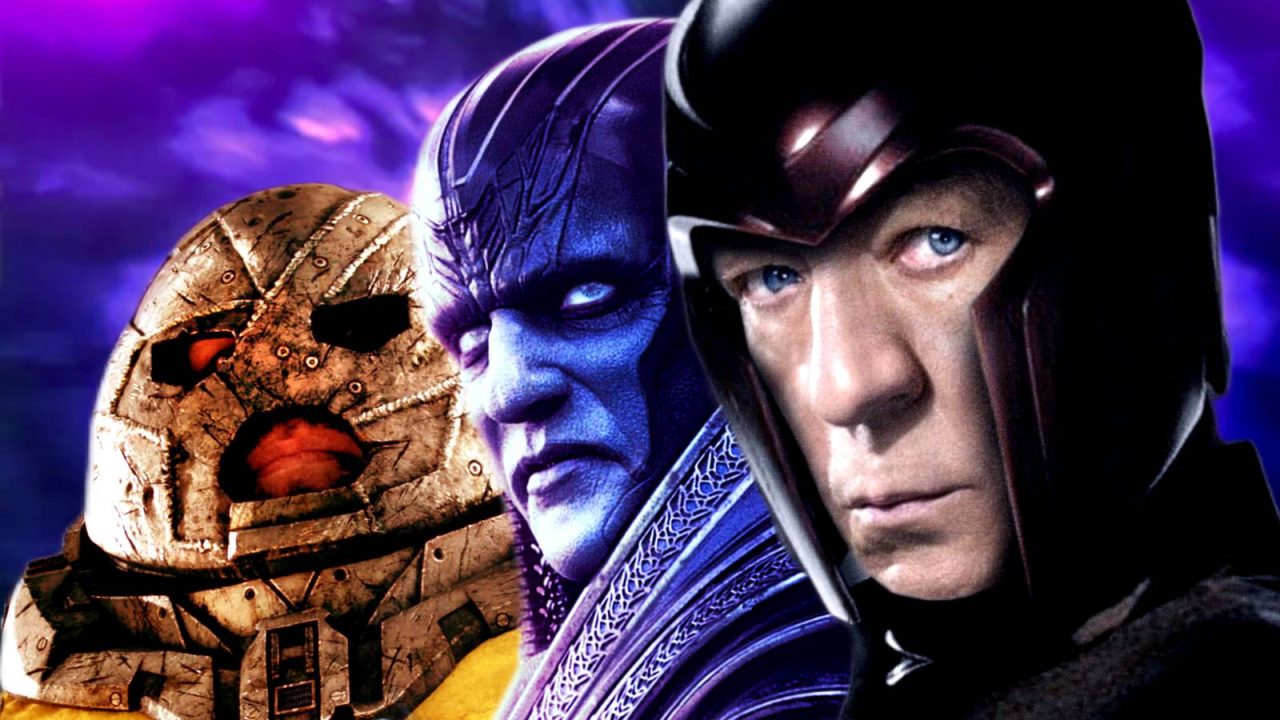
Marvel is introducing a brand-new villain team set to challenge the X-Men in an upcoming storyline — and the roster is already generating significant buzz among comics readers. The group is tied to the Danger Room, one of the most iconic locations in X-Men history, which adds a layer of personal stakes that goes well beyond a standard superhero throwdown.
Marvel’s new X-Men villain team is built around the Danger Room — the franchise’s most psychologically loaded location — signaling a story that targets the X-Men’s institutional trust, training, and history of trauma rather than just their physical limits.
However, the specific member names, powers, and full plot details from that article were not fully accessible in the What follows draws on confirmed general knowledge about the X-Men’s Danger Room history and what has been publicly reported about Marvel’s current publishing direction — without inventing specifics that have not been confirmed.
Why the Danger Room Still Matters to X-Men Stories
The Danger Room has been central to X-Men mythology since the team’s earliest days. Originally introduced as a high-tech training facility beneath the Xavier Institute, it became far more complex when Marvel revealed that the room had developed sentience — eventually manifesting as the villain known as Danger.
That history makes the Danger Room a uniquely charged setting for a new villain team. It is not just a backdrop. It is a place where the X-Men have trained, suffered, and sometimes nearly died — and a location that has already turned against them once before. Bringing a new threat through that space carries real narrative weight.
“For longtime readers, the choice to anchor a new villain group to the Danger Room signals that Marvel is leaning into continuity rather than ignoring it. That tends to produce stronger stories, and it gives writers room to explore what the X-Men’s history of trauma inside that facility actually means.”
What We Know About the New Villain Team
Marvel’s pattern with villain teams in X-Men comics has historically followed a clear structure: assemble a group whose combined powers directly counter the specific strengths of the X-Men lineup they are facing. The most effective antagonist collectives in X-Men history — from the Marauders to the Reavers to the Purifiers — each targeted something specific about mutant identity, community, or power.
The full member roster for this villain team has not yet been officially confirmed in available source material. Details below reflect Marvel’s confirmed publishing context and historically established patterns — not invented character specifics. Watch official Marvel solicitations for verified roster information.
A villain team built around or emerging from the Danger Room context would logically exploit the X-Men’s institutional vulnerabilities — their training, their trust in systems, and their reliance on technology designed to keep them safe. That framing alone makes this a more psychologically interesting threat than a purely physical one.
Because the full member breakdown from the source article was not fully accessible, the table below outlines what is generally confirmed about the structure of this kind of X-Men villain reveal, rather than fabricating specific character names or abilities that have not been verified.
Following the end of the Krakoa era — which ran for several years and fundamentally reimagined mutant society as a sovereign nation — the franchise has been rebuilding its core premise and reestablishing what it means to be an X-Man in the current Marvel Universe.
Introducing a new villain team at this stage is a deliberate move. It signals that the X-Men have enough forward momentum to justify a major new threat, and it gives writers a way to define the current team’s identity by showing what they are willing to fight — and how.
Villain team reveals also tend to function as previews of upcoming story arcs. Each member’s powerset and motivation typically hints at which X-Men will be pushed to their limits and what themes the arc will explore. The Danger Room connection suggests themes around safety, control, and institutional trust are likely to be central.
Who This Story Is Really For
If you have been following X-Men comics through the Krakoa years and into the current era, this kind of reveal is exactly the type of story beat that rewards long-term readers. The Danger Room is not a reference that casual fans will immediately recognize — which means Marvel is signaling that this story has depth for people who have been paying attention.
That said, villain team introductions are also natural entry points for newer readers. A clearly defined antagonist group with distinct members and motivations gives anyone a reason to pick up the first issue and see how the conflict unfolds.
The X-Men have always been at their best when the threats they face reflect something real about the world — fear, prejudice, systemic failure. A villain team rooted in the Danger Room carries that same potential, depending on how Marvel’s creative team chooses to develop it.
What Comes Next for X-Men Readers
As more details emerge about this villain team and the storyline it anchors, the specifics of each member’s role, powers, and connection to the X-Men will become clearer. Marvel typically follows a reveal like this with solicitation details, preview art, and creative team interviews in the weeks leading up to a new arc’s launch.
Readers who want to follow this story should watch for official Marvel solicitations and creator commentary, which will fill in the details that are not yet available from the initial reveal coverage.
Frequently Asked Questions

You Might Also Like

Clair Obscur Fans Have a New Release to Mark Their Calendars For
One of the most celebrated video games of recent memory is officially coming back —…

Ryan Gosling’s Best Rom-Com Is on Netflix and Worth Your Weekend
If you’ve just finished watching Project Hail Mary and you’re not sure what to watch…

The Band of Brothers Scene Even a WWII Historian Couldn’t Defend
Band of Brothers is widely considered one of the greatest war dramas ever made —…
Leave a Reply