
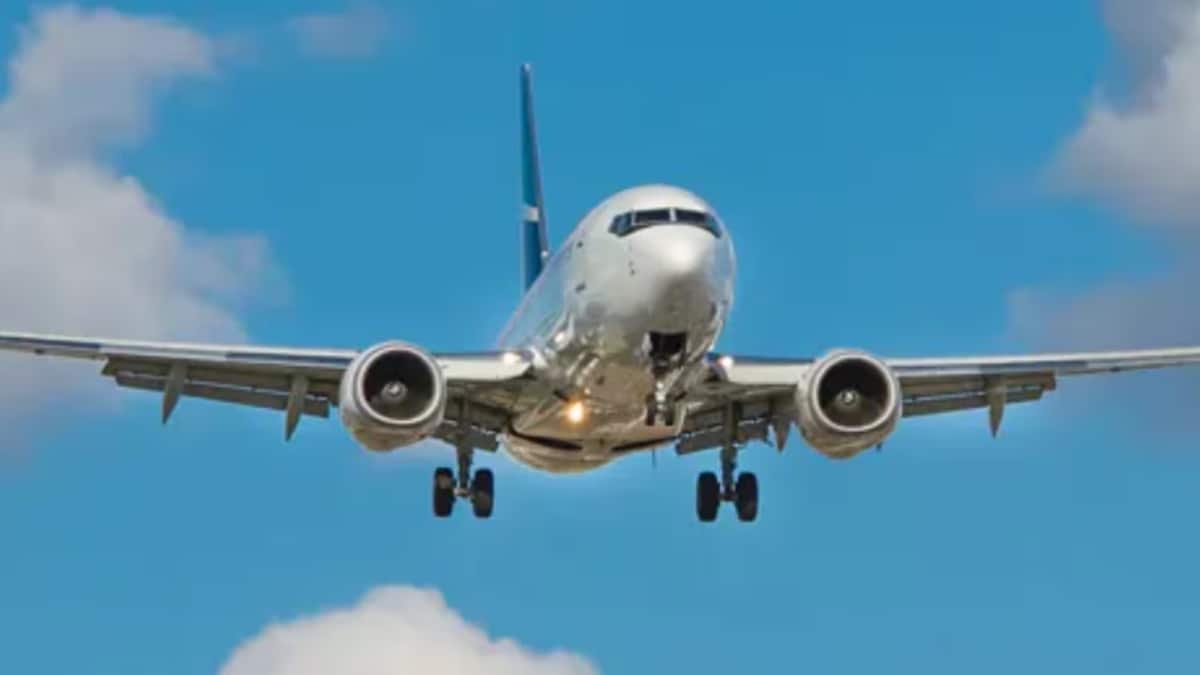
Some of the world’s most recognized airlines — including Emirates, Qatar Airways, Air France, Etihad, Lufthansa, British Airways, and Air India — are actively rerouting or canceling flights between Europe and Asia, with escalating geopolitical tensions in the Middle East forcing sudden and sweeping changes to air travel across the region. The knock-on effects are already being felt far beyond the departure gates.
For travelers with bookings through major Gulf hubs, and for the hotels and tourism businesses that depend on that steady flow of passengers, the disruption is significant. UAE hotel bookings — particularly in Dubai and Abu Dhabi — have dropped sharply, and early estimates point to tourism revenue losses running into the tens of billions.
This isn’t a localized airline scheduling problem. It’s a cascading crisis touching airlines, airports, hotels, tour operators, and the millions of travelers who rely on Middle Eastern transit routes every year.
Why So Many Major Airlines Are Affected at Once
The Middle East sits at the center of some of the world’s busiest long-haul flight corridors. Routes connecting Europe to South Asia, Southeast Asia, and East Asia have long depended on Gulf airspace as a reliable, efficient passage. When that airspace becomes restricted or closes entirely due to geopolitical instability, airlines have very few good alternatives.
According to the source reporting, multiple airspaces are now either restricted or fully closed, leaving carriers like Air France, Emirates, Qatar Airways, Etihad, Lufthansa, British Airways, and Air India with limited options. Some are rerouting flights on significantly longer paths. Others are canceling services altogether where rerouting isn’t operationally viable.
For airlines that built their entire business model around Gulf hub connectivity — Emirates and Etihad chief among them — the disruption isn’t just an inconvenience. It strikes at the core of how their networks function.
The Airlines Disrupting Asia Flights and What It Means for Routes
The scale of airlines involved here is notable. These aren’t fringe carriers — they represent a significant share of global long-haul capacity between Europe and Asia. When this many major operators adjust schedules simultaneously, the ripple effect across global aviation is immediate.
| Airline | Hub / Base | Reported Impact |
|---|---|---|
| Emirates | Dubai, UAE | Flight schedule adjustments, rerouting |
| Qatar Airways | Doha, Qatar | Flight schedule adjustments, rerouting |
| Etihad | Abu Dhabi, UAE | Operational disruptions reported |
| Air France | Paris, France | Asia route disruptions |
| Lufthansa | Frankfurt, Germany | Rerouting and service adjustments |
| British Airways | London, UK | Rerouting and service adjustments |
| Air India | New Delhi, India | Asia flight disruptions |
The common thread across all of these carriers is their reliance on Middle Eastern airspace or Gulf hub connections to move passengers efficiently between continents. With those corridors now compromised, every operator is absorbing higher fuel costs, longer flight times, and reduced scheduling flexibility.
UAE Tourism Is Taking a Direct Hit
The UAE — and Dubai in particular — has spent years positioning itself as the world’s transit lounge. Millions of travelers pass through annually, and a meaningful portion of them stay, spend, and explore. That model depends entirely on consistent, high-volume air connectivity.
With flight disruptions reducing the number of travelers moving through Gulf hubs, UAE hotel bookings have fallen sharply. The source reporting specifically highlights Dubai and Abu Dhabi as markets where bookings have plummeted as a direct result of the shifting travel patterns caused by these airline disruptions.
The estimated losses to tourism revenue are described as running into the tens of billions — a figure that reflects not just hotel stays, but the broader spending that international visitors bring to restaurants, retail, entertainment, and transport across the Emirates.
- Hotel bookings in Dubai and Abu Dhabi have dropped significantly as fewer travelers are transiting through UAE hubs
- Tourism revenue losses are estimated in the tens of billions, reflecting the breadth of the economic impact
- The reduction in available flights through Gulf hubs is identified as the direct cause of the booking decline
- The local UAE economy is described as severely impacted by the sudden shift in travel patterns
What This Means for Travelers Right Now
If you have upcoming travel booked through any of these airlines — particularly on routes connecting Europe to Asia via the Gulf — the practical advice is straightforward: check your flight status directly with your carrier, and do it soon.
Rerouted flights often mean longer journey times, different layover cities, and in some cases changed departure or arrival airports. Travelers on canceled routes may be entitled to rebooking or refunds depending on the airline’s policies and the jurisdiction under which the ticket was purchased.
For anyone planning future travel to the UAE, the current environment warrants caution. While Dubai and Abu Dhabi remain open destinations, the reduction in direct and connecting flight options means fewer choices and potentially higher fares for the near term.
The hospitality sector across the Emirates is also likely to respond — whether through promotional pricing to attract bookings or adjusted capacity — though the pace of any recovery will depend heavily on how quickly the underlying geopolitical situation stabilizes.
What Happens Next Depends on the Geopolitics
Aviation disruptions tied to airspace closures don’t resolve on a fixed schedule. They end when the underlying tensions ease and governments reopen restricted airspace — a timeline that no airline, airport, or tourism board controls.
What airlines can do in the meantime is manage capacity, communicate proactively with passengers, and absorb the financial hit of rerouting. What the UAE’s tourism sector can do is limited while the core problem — reduced connectivity — persists.
Industry observers note that the longer these disruptions continue, the deeper the economic damage becomes. Travelers who rebook to alternative destinations don’t automatically return when routes reopen. Hotels that lose bookings in peak seasons can’t recover that revenue later. The tens of billions in estimated losses reflect a real and time-sensitive economic wound.
For now, the situation across Middle Eastern airspace and its downstream effects on global aviation remains fluid — and anyone with travel plans touching the region should stay closely informed.
Frequently Asked Questions
Which airlines are disrupting Asia flights due to Middle East tensions?
Air France, Emirates, Qatar Airways, Etihad, Lufthansa, British Airways, and Air India are all reported to be adjusting schedules, rerouting flights, or canceling services on routes affected by the airspace restrictions.
Why are UAE hotel bookings dropping?
The reduction in available flights through Gulf hubs like Dubai and Abu Dhabi has significantly decreased the number of travelers transiting through the UAE, leading to a sharp decline in hotel bookings across both cities.
How large are the estimated tourism losses?
Tourism revenue losses are estimated to be in the tens of billions, reflecting the broad economic impact on the UAE’s hospitality, retail, and wider tourism sectors.
Are flights between Europe and Asia still operating?
Some flights are still operating but via longer rerouted paths, while others have been canceled. Travelers should check directly with their airline for the latest status on specific routes.
How long will these disruptions last?
This has not yet been confirmed. The duration depends on when the geopolitical tensions ease and restricted airspace is reopened — a timeline outside the control of airlines or tourism authorities.
Should I cancel my UAE travel plans?
The UAE remains an open destination, but reduced flight connectivity means fewer options and potentially higher costs. Travelers are advised to monitor the situation closely and check with their airline before making changes.



Leave a Reply