
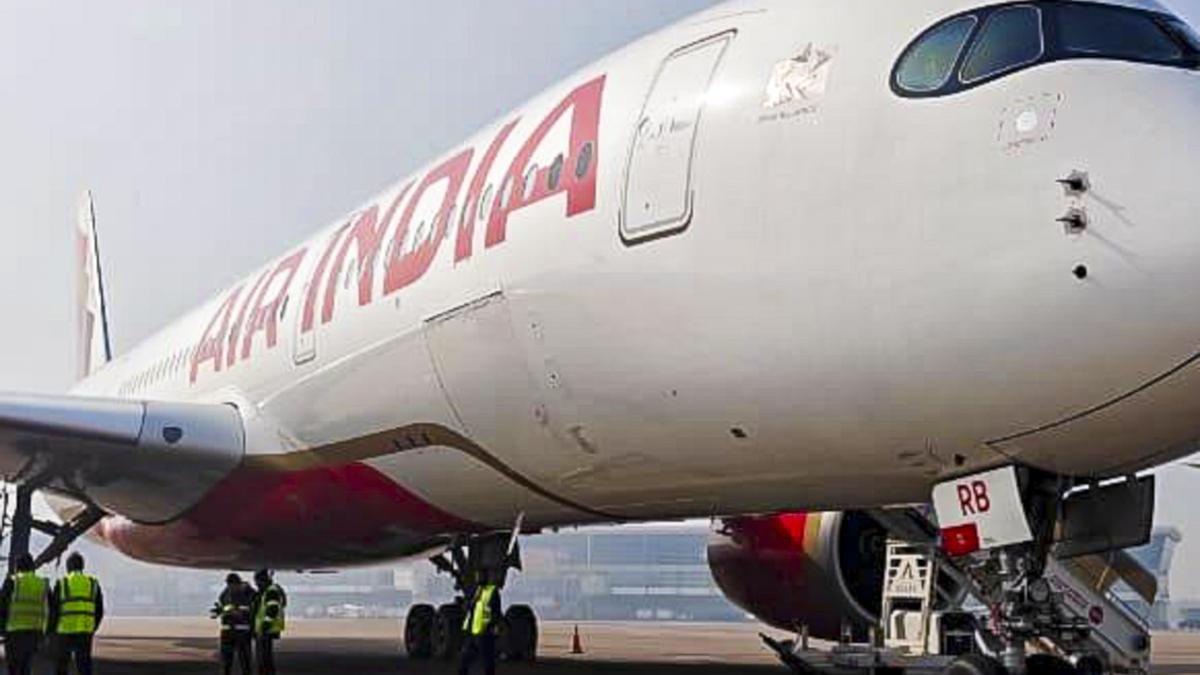
A cockpit warning light mid-flight over the Atlantic is one of the most serious moments a flight crew can face — and on March 20, 2026, passengers aboard Air India Flight AI116 experienced exactly that. The Boeing 777-300ER, traveling from New York’s John F. Kennedy International Airport to Mumbai, was forced to make an unscheduled landing in Saudi Arabia after a cargo fire alert triggered in the cockpit during the flight.
The aircraft diverted to Prince Mohammad bin Abdulaziz International Airport in Medina, Saudi Arabia, where it landed safely. After thorough inspections on the ground, authorities confirmed the alert was a false alarm — no fire, no hazard, no danger to the aircraft. But the diversion itself, and the speed with which the crew acted, is a story worth understanding.
For anyone who flies regularly — or plans to — this incident is a clear window into how modern aviation safety systems work, and why pilots are trained to treat every warning as real until proven otherwise.
What Happened Aboard Air India Flight AI116
Flight AI116 was operating a long-haul route between JFK and Mumbai — a journey that typically covers roughly 7,800 miles and takes around 15 to 16 hours. Somewhere along that route, a cockpit warning system triggered an alert indicating a potential cargo fire on board the Boeing 777-300ER.
The flight crew followed established aviation safety protocols and made the decision to divert the aircraft to the nearest suitable airport. That airport was Prince Mohammad bin Abdulaziz International Airport in Medina, Saudi Arabia, which became the unscheduled stop on March 20, 2026.
Once on the ground, the aircraft and its cargo holds were thoroughly inspected. The findings were a relief: the alarm was a false alert. No fire or related hazard was detected anywhere on the plane. Passengers were safely accommodated at the airport while the aircraft underwent its required checks before the journey could continue.
Key Facts About the Diversion at a Glance
| Detail | Information |
|---|---|
| Flight Number | Air India AI116 |
| Route | New York (JFK) to Mumbai (BOM) |
| Aircraft Type | Boeing 777-300ER |
| Diversion Airport | Prince Mohammad bin Abdulaziz International Airport, Medina, Saudi Arabia |
| Date of Diversion | March 20, 2026 |
| Reason for Diversion | Cockpit warning indicating potential cargo fire |
| Outcome of Inspection | False alarm — no fire or hazard found |
| Passenger Status | All passengers safely accommodated during checks |
- The Boeing 777-300ER is one of the most widely used long-haul aircraft in the world, operated by dozens of major airlines.
- Cargo fire detection systems are designed to be highly sensitive — a feature that can occasionally trigger false alarms.
- Aviation regulations require crews to treat any fire warning as a genuine emergency until an inspection confirms otherwise.
- Medina’s Prince Mohammad bin Abdulaziz International Airport is a capable international facility, equipped to handle diverted wide-body aircraft.
Why Pilots Cannot Ignore a Cargo Fire Warning
To understand why a single cockpit alert sent a fully loaded wide-body jet to an unplanned landing in Saudi Arabia, it helps to know what cargo fires represent in aviation risk terms. In-flight cargo fires are among the most dangerous scenarios an aircraft crew can face. Unlike a cabin fire, which is visible and can be addressed directly, a cargo hold fire can spread rapidly in a confined space with limited crew access.
Because of this, aviation safety frameworks — developed by international bodies and enforced by national regulators — require flight crews to treat any cargo fire warning as a genuine emergency. The correct procedure is to land as quickly and safely as possible, not to continue the flight while investigating.
This is precisely what the Air India crew did. The decision to divert was not optional — it was the required, correct, and professional response to the alert. The fact that inspections later showed it was a false alarm does not diminish the importance of the action. It validates it.
Officials and aviation safety advocates have long noted that the strength of modern air travel lies not in the absence of warnings, but in the systems and training that ensure warnings are always acted upon — regardless of how likely a real emergency might seem in the moment.
What This Means for Passengers on Long-Haul Flights
For the passengers aboard AI116, the experience was undoubtedly stressful. An unscheduled landing in a country you weren’t expecting to visit, with no immediate explanation beyond a vague announcement about a technical issue, is not a comfortable situation. Delays, uncertainty, and the disruption to onward plans all add pressure to what should have been a straightforward long-haul journey.
At the same time, incidents like this one are a reminder that the aviation industry’s obsession with safety protocols — sometimes criticized as overly cautious — exists for very good reason. A false alarm handled correctly is far preferable to a real emergency handled too slowly.
Passengers were safely accommodated during the inspection period, and the diversion was managed efficiently according to the source reporting. Air India’s handling of the situation reflects the kind of swift, protocol-driven response that aviation safety standards are designed to produce.
What Comes Next for the Flight and Its Passengers
Following the inspection in Medina and the confirmation that no fire or hazard existed on the aircraft, the expectation would be that the flight continued to its final destination of Mumbai after the necessary checks were completed. However,
What is confirmed is that all passengers were safely accommodated and that the aircraft underwent the required technical inspections before any continuation of the journey. Whether Air India issued compensation or additional support to affected passengers has not been confirmed in the available reporting.
For travelers booked on similar long-haul Air India routes, this incident does not suggest any systemic issue with the airline’s fleet. Unscheduled diversions due to cockpit warnings — including false alarms — occur across all major carriers operating large aircraft on extended routes. The Boeing 777-300ER itself remains one of the most trusted long-haul platforms in commercial aviation.
Frequently Asked Questions
What caused Air India Flight AI116 to divert to Saudi Arabia?
A cockpit warning indicating a potential cargo fire triggered the diversion. The crew followed standard aviation safety protocols and landed at Prince Mohammad bin Abdulaziz International Airport in Medina.
Was there an actual fire on the Air India flight?
No. After landing in Medina, thorough inspections confirmed the alert was a false alarm and no fire or related hazard was found on the aircraft.
What type of aircraft was operating Flight AI116?
The flight was operated by a Boeing 777-300ER, a wide-body long-haul aircraft commonly used on international routes.
Where did the flight divert to, and why that location?
The flight diverted to Prince Mohammad bin Abdulaziz International Airport in Medina, Saudi Arabia, which was the nearest suitable airport available at the time of the alert.
Were passengers on the diverted flight safe?
Yes. All passengers were safely accommodated at the airport in Medina while the aircraft underwent its required inspections.
Did the flight eventually continue to Mumbai?




Leave a Reply