
“`html
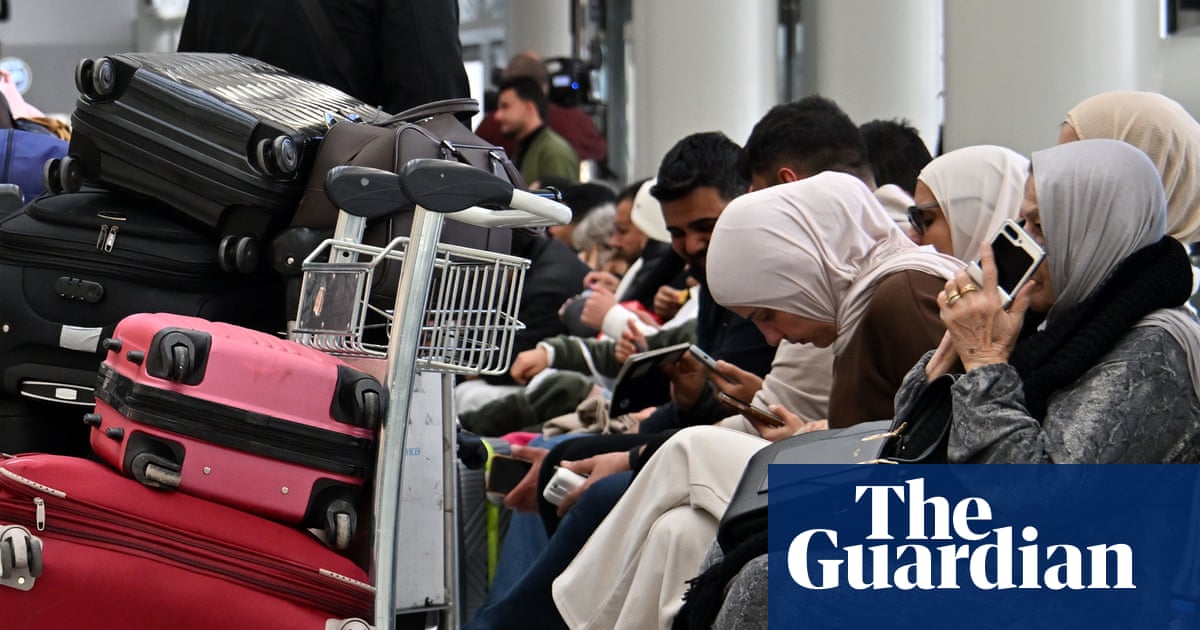
More than 6,200 flights were either canceled or delayed across the United States on March 18, 2026 — leaving thousands of travelers stranded at some of the country’s busiest airports and turning ordinary travel days into exhausting ordeals with no clear end in sight.
The numbers tell a brutal story: 1,089 cancellations and 5,175 delays hitting major carriers including Delta, Spirit, American, Qatar, and Southwest, all in a single day. If you had a flight booked through any of these airlines — or were connecting through a major hub — there’s a strong chance your plans were shattered.
Severe weather and staffing shortages are being cited as the primary drivers behind the breakdown. The result is a cascading system failure that doesn’t stay contained to one airport or one airline. When Atlanta stalls, Chicago feels it. When New York backs up, Philadelphia backs up too.
Which Airlines and Airports Are at the Center of the Crisis
The disruption is widespread, but certain carriers and cities are bearing the heaviest load. Delta, Spirit, American, Qatar, and Southwest are among the airlines with the most significant operational impacts. These are not small regional carriers — they collectively serve tens of millions of passengers each year, and a single bad day ripples outward fast.
The hardest-hit airports span the country from coast to coast:
- Atlanta (Hartsfield-Jackson) — one of the world’s busiest airports and a critical Delta hub
- New York (JFK, LaGuardia, and Newark) — a tri-airport metro region already prone to congestion
- Denver International — a major connecting hub for cross-country travelers
- Buffalo Niagara International — a smaller market hit disproportionately hard
- Philadelphia International — a key American Airlines hub on the East Coast
- Chicago (O’Hare and Midway) — another high-volume hub where delays compound quickly
Frustrated passengers in Atlanta and Chicago have been among the most vocal, filling terminal halls and demanding answers from airline staff who have few to give.
The Scale of the Disruption, By the Numbers
To understand how significant this event is, it helps to see the raw data laid out clearly. A disruption of this magnitude — over a thousand cancellations and more than five thousand delays in one day — is not a routine weather inconvenience. It represents a near-systemic failure across multiple carriers and hubs simultaneously.
| Disruption Type | Total Flights Affected |
|---|---|
| Cancellations | 1,089 |
| Delays | 5,175 |
| Total Disrupted Flights | 6,264 |
Airlines named as part of the disruption include Delta, Spirit, American, Qatar, and Southwest, though The phrase “and more airlines” in official reporting suggests the full list is broader than what has been highlighted.
Why This Is Hitting So Many People So Hard
Severe weather and staffing shortages — the two causes identified in the reporting — are a particularly dangerous combination. Weather alone can ground planes at one airport. Staffing shortages can prevent recovery even after the skies clear. Together, they create a feedback loop that’s extremely difficult to break within a single operational day.
For travelers, the consequences are immediate and personal. Families are missing connections. People are sleeping on terminal floors. International passengers flying through affected hubs — including those on Qatar Airways — face the added complexity of missed long-haul departures that may not have another available seat for days.
The bottleneck in New York, historically one of the most delay-prone metro areas in the country, compounds the problem further. When New York’s three major airports slow down, the entire eastern seaboard feels the strain — and that pressure eventually spreads westward through connecting itineraries.
Buffalo’s inclusion on the list of severely affected airports is notable. It’s a smaller market, which means fewer backup flights, fewer rebooking options, and longer waits for stranded passengers who don’t have the flexibility to drive to a nearby major hub.
What Stranded Travelers Are Facing Right Now
If you’re caught in this disruption, the practical reality is grim. Airlines dealing with simultaneous cancellations across multiple hubs have limited ability to rebook passengers quickly. Aircraft and crews are out of position. Every hour of delay creates another hour of recovery time needed.
Passengers in the most affected airports — Atlanta, Chicago, New York — are reporting long lines at customer service desks and difficulty reaching airline support by phone or app when everyone is trying to rebook at once.
For international travelers on carriers like Qatar Airways connecting through U.S. hubs, the situation is especially complicated. Missing a long-haul international departure is not the same as missing a domestic connection. Rebooking options are fewer, wait times can stretch into days, and travelers may face accommodation costs that airlines are not always obligated to cover under current U.S. rules.
Travelers with travel insurance that covers trip interruption may have a path to reimbursement — but that doesn’t solve the immediate problem of being stuck in a terminal with no confirmed seat on a future flight.
What to Expect in the Hours and Days Ahead
Aviation disruptions of this scale rarely resolve overnight. When over a thousand flights are canceled in a single day, the ripple effect typically extends 24 to 72 hours as airlines work to reposition aircraft, reassign crews, and clear the backlog of stranded passengers seeking rebooking.
Travelers with upcoming flights through any of the affected airports — particularly Atlanta, New York, Denver, Buffalo, Philadelphia, and Chicago — should monitor their airline’s app and website closely for updates. Most major carriers have waiver policies that allow free rebooking when widespread disruptions are declared, though the window to use those waivers can be narrow.
Whether the severe weather driving this event will ease in the coming days remains a key variable. If conditions improve quickly, recovery could begin within 48 hours. If weather systems persist over major hubs, the disruption could extend further into the week.
Frequently Asked Questions
How many flights were canceled and delayed on March 18, 2026?
According to the source reporting, 1,089 flights were canceled and 5,175 were delayed, for a combined total of more than 6,200 disrupted flights.
Which airlines are most affected by these cancellations and delays?
Delta, Spirit, American, Qatar, and Southwest are among the carriers named in the disruption, along with additional airlines not individually specified.
Which airports are seeing the worst disruptions?
Atlanta, New York, Denver, Buffalo, Philadelphia, and Chicago are identified as the most severely affected hubs.
What is causing the mass flight cancellations?
Severe weather and staffing shortages are cited as the primary causes driving the widespread disruption.
How long will the disruption last?
This has not been confirmed in
What should travelers do if their flight is canceled or delayed?
Travelers should contact their airline directly through the official app or website to explore rebooking options, and check whether a travel waiver has been issued that allows free changes to their itinerary.


Leave a Reply