
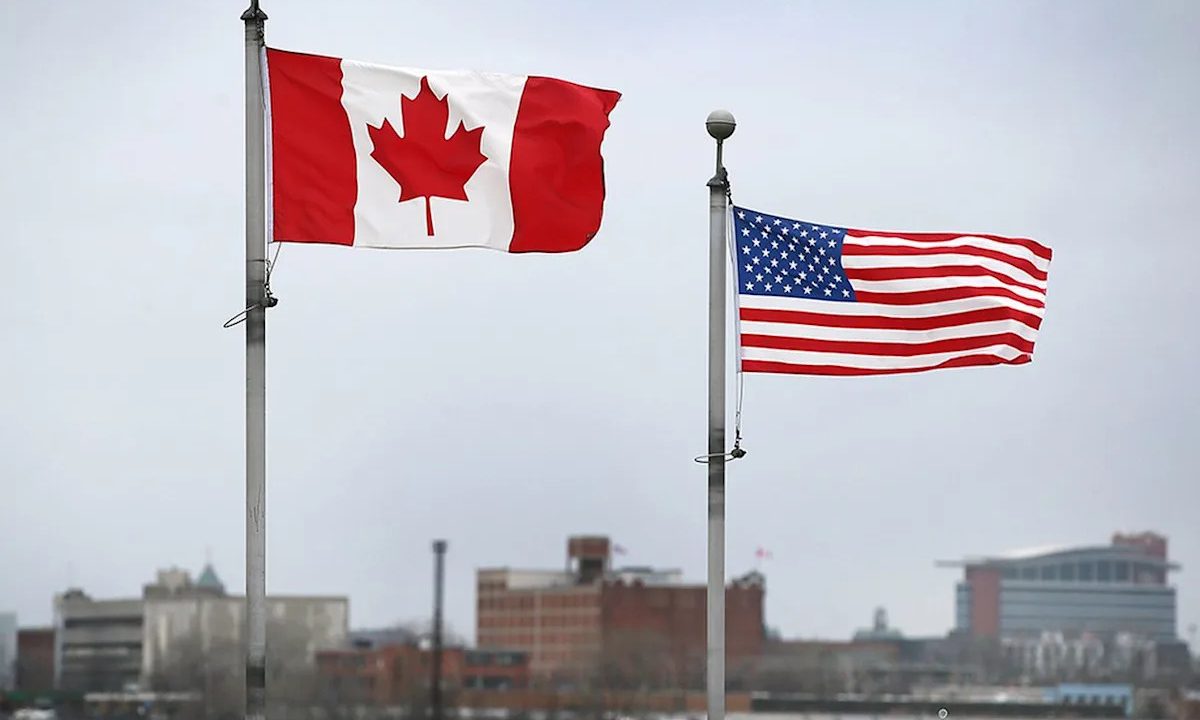
American visits to Canada have jumped 6.1% compared to the previous year — and that number is landing at a time when the broader story of US-Canada cross-border travel is anything but straightforward.
While Americans are showing up in Canada in greater numbers, Canadians are doing the opposite south of the border. Visits from Canadians to the United States have dropped by a significant 14.5% over the same period, according to Statistics Canada. Two countries, one shared border, and two very different decisions about where to spend travel dollars.
This divergence is one of the more striking tourism stories of 2026 — shaped by politics, economics, and a wave of national sentiment that has quietly but firmly redirected travel patterns across North America’s most-traveled border crossing.
What Is Actually Driving This Split in Cross-Border Travel
The backdrop here matters. President Donald Trump’s policies triggered what observers have described as a significant boycott by Canadian travelers against the United States. The political and economic tensions that built through the previous year didn’t evaporate — they translated directly into travel behavior, with Canadians choosing to keep their tourism dollars at home or redirect them elsewhere entirely.
That 14.5% drop in Canadian visits to the US is not a rounding error. It reflects a sustained, deliberate pullback. For communities near the border that depend on Canadian shoppers, day-trippers, and overnight visitors, that kind of decline has real economic weight.
On the other side of the equation, Americans heading north appears to be an emerging counter-trend. Despite the political climate — or perhaps partly because of it — US travelers are finding reasons to visit Canada in numbers that outpace the prior year.
The Numbers Behind the 2026 US-Canada Tourism Shift
The data from Statistics Canada tells the clearest version of this story. Here is what the figures show:
| Travel Direction | Change Compared to Previous Year | Direction of Trend |
|---|---|---|
| US residents visiting Canada | +6.1% | Increasing |
| Canadian residents visiting the US | -14.5% | Decreasing |
What makes the American increase particularly notable is the context surrounding it. There were real expectations — and some public calls — for a broader boycott of Canadian travel among certain American circles, given the friction between the two governments. That those calls did not translate into declining US visits to Canada suggests that for many American travelers, the appeal of Canada as a destination is holding firm regardless of political noise.
- US visits to Canada rose 6.1% year-over-year, per Statistics Canada
- Canadian visits to the US fell 14.5% over the same period
- The Canadian decline is linked to political and economic tensions following Trump administration policies
- The American increase represents what analysts are calling an unexpected rebound in US-to-Canada tourism
Why Canadians Are Staying Away From the United States
The Canadian pullback from US travel didn’t happen in a vacuum. It followed a period of escalating tension between the two governments — tariff disputes, pointed rhetoric, and policy decisions that many Canadians found personally offensive enough to affect where they chose to vacation.
Travel boycotts of this scale are relatively rare in the history of US-Canada relations. The two countries share the world’s longest undefended border and have long maintained one of the most fluid cross-border tourism relationships on the planet. A 14.5% drop in Canadian visitors to the US is, by any historical standard, a meaningful disruption to that pattern.
Observers note that this kind of sentiment-driven travel shift can persist long after the original political flashpoint fades. Once travelers redirect their habits — discovering domestic alternatives or other international destinations — those habits don’t always reverse quickly.
What This Means for Border Communities and the Tourism Industry
For the tourism and hospitality sectors on both sides of the border, these numbers land very differently depending on which side of the line you’re standing on.
Canadian tourism operators are seeing a positive signal in the rising American visitor numbers. Hotel occupancy, restaurant traffic, and attraction attendance in Canadian cities and regions popular with US travelers stand to benefit from a 6.1% uptick — particularly if that trend continues or accelerates through the rest of 2026.
US border communities face a more difficult picture. A 14.5% reduction in Canadian day-trippers and overnight visitors represents lost revenue for retailers, restaurants, hotels, and service businesses that have historically relied on Canadian cross-border spending. In some border towns, Canadian visitors make up a substantial portion of local tourism revenue, making a decline of this size genuinely consequential.
The asymmetry of this trend — Americans going north while Canadians stay home — creates a one-sided recovery that benefits Canada’s tourism economy more than it helps the US side of the equation.
Whether This Trend Has Staying Power in 2026 and Beyond
The core question now is whether these patterns hold, reverse, or deepen as the year progresses. The 6.1% rise in American visits to Canada is described as an unexpected rebound, which implies it caught some observers off guard. Whether it reflects a genuine long-term shift in American travel preferences or a shorter-term spike remains to be seen.
The Canadian decline, meanwhile, appears more entrenched. Boycott sentiment that stems from political grievance tends to be stickier than boycott sentiment driven by, say, a single news event. As long as the underlying tensions between the two governments remain unresolved, there is limited reason to expect a rapid snapback in Canadian travel to the US.
What 2026 has already demonstrated is that tourism — often treated as a purely economic or logistical phenomenon — is deeply sensitive to political climate. When governments clash, travelers notice. And sometimes, they vote with their passports.
Frequently Asked Questions
How much have US visits to Canada increased in 2026?
According to Statistics Canada, visits from US residents to Canada have risen by 6.1% compared to the previous year.
Why are Canadians traveling to the United States less?
The decline is linked to political and economic tensions, including a significant boycott by Canadian travelers following President Donald Trump’s controversial policies.
By how much have Canadian visits to the US dropped?
Canadian visits to the United States have decreased by 14.5% over the same period, according to Statistics Canada data.
Is the rise in American visits to Canada considered unusual?
Yes —
Which side of the border is benefiting more from this tourism shift?
Canada is in a stronger position, seeing increased American visitors, while US border communities are experiencing reduced revenue from the significant drop in Canadian travelers heading south.
Will these travel trends continue through the rest of 2026?
This has not yet been confirmed — the data reflects trends observed through early 2026, and whether they hold or reverse will depend on how political and economic conditions between the two countries develop.



Leave a Reply