
What if you could experience the rolling highlands of Scotland, the colonial charm of French coastal towns, the alpine slopes of Switzerland, and the misty tea gardens of the English countryside — all without applying for a single visa or boarding a long-haul flight? For travellers based in India, that possibility is closer to home than most people realise.
Five destinations across India — Auli, Shillong, Shimla, Puducherry, and Munnar — each carry a distinct European flavour while remaining deeply, unmistakably Indian. Whether you’re chasing snow, colonial architecture, misty hills, or serene beaches, these places offer something rare: the feeling of being somewhere else entirely, without ever leaving the subcontinent.
For adventure seekers, nature lovers, and culture enthusiasts alike, this is a journey worth taking seriously.
Why These Five Destinations Mirror the Beauty of Europe
The comparison isn’t just poetic. These destinations share genuine geographical and architectural similarities with their European counterparts — shaped by altitude, colonial history, and natural landscape in ways that make the resemblance striking and tangible.
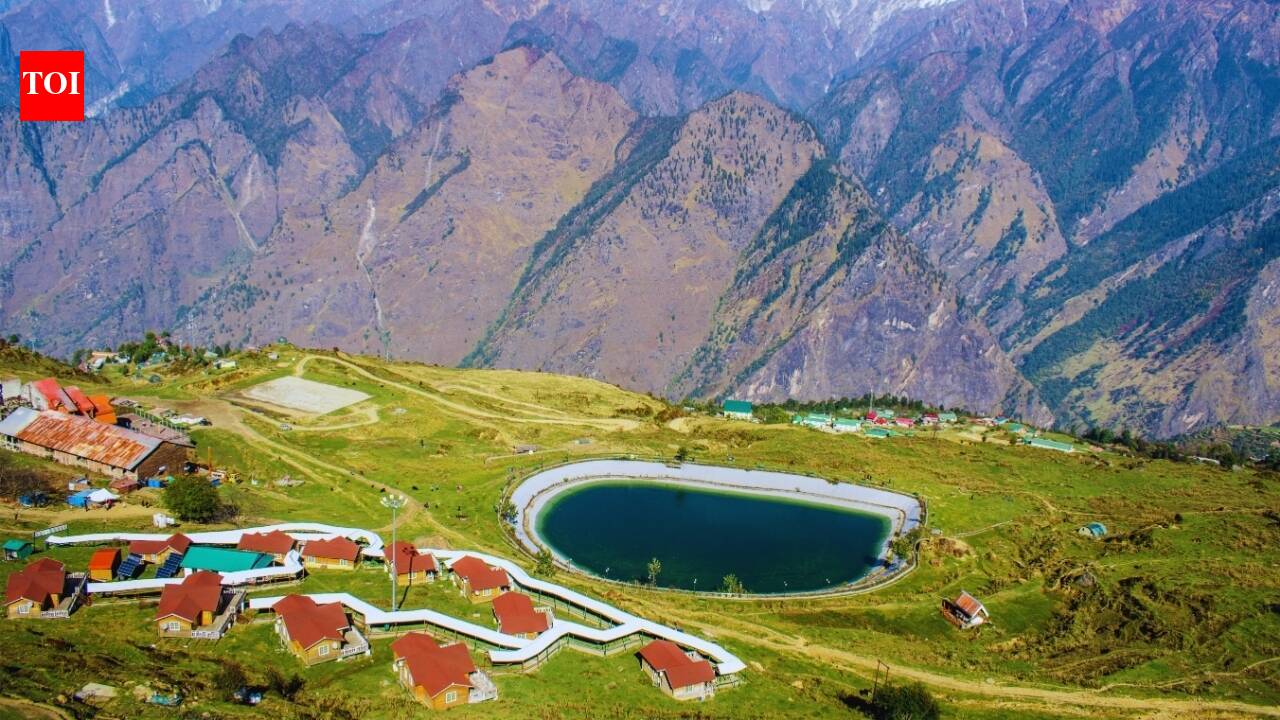
Auli, set high in the Himalayas, draws comparisons to the Swiss Alps for good reason. In winter, the region is blanketed in heavy snowfall, and ski slopes stretch across terrain that feels genuinely alpine. It’s the kind of place where silence settles over everything and the landscape turns entirely white — a rare experience within India’s borders.
Shillong, the capital of Meghalaya, echoes the misty highlands of Scotland. Rolling green hills, cool temperatures, and a certain atmospheric dampness give it a character unlike most Indian hill stations. Shimla, once the summer capital of British India, carries the architectural legacy of colonial rule — Victorian buildings, winding mall roads, and a hill station aesthetic that still feels distinctly European in its bones.
Puducherry takes the European parallel in a different direction entirely. Its French Quarter features pastel-hued buildings, tree-lined boulevards, and a coastal calm that genuinely resembles a town on the southern coast of France. And Munnar, in Kerala, offers something closer to the English or Irish countryside — rolling tea plantations, cool mist, and green hills that stretch to the horizon.
A Closer Look at Each Destination
| Destination | State | European Parallel | Key Appeal |
|---|---|---|---|
| Auli | Uttarakhand | Swiss Alps | Snow-covered ski slopes, Himalayan peaks, winter silence |
| Shillong | Meghalaya | Scottish Highlands | Misty rolling hills, cool climate, scenic highland character |
| Shimla | Himachal Pradesh | Colonial British hill towns | Victorian architecture, mall roads, rich colonial history |
| Puducherry | Tamil Nadu / UT | Southern France | Pastel streets, French Quarter, tranquil coastal atmosphere |
| Munnar | Kerala | English/Irish countryside | Tea plantations, misty hills, serene green landscapes |
What makes this list compelling isn’t just the scenery. Each destination represents a different type of European experience — from alpine adventure to colonial heritage to French coastal elegance — meaning travellers can choose based on what draws them most.
What Each Place Actually Offers the Traveller
Auli is the destination for those who want physical adventure. The ski slopes make it one of the few places in India where winter sports are genuinely viable, and the backdrop of Himalayan peaks gives it a drama that few destinations anywhere in the world can match.
Shillong appeals to travellers who want atmosphere over activity. The cool, misty quality of the hills, combined with Meghalaya’s extraordinary natural landscape, makes it a place to slow down and absorb. It’s less about checking off sights and more about feeling somewhere genuinely different.
Shimla rewards those interested in history. The colonial architecture isn’t decorative — it’s structural, built during the era when the British used the town as a seasonal administrative capital. Walking its streets is a genuine encounter with a layered past, and the hill station setting adds a natural beauty that goes well beyond nostalgia.
Puducherry is arguably the most overtly European of the five. The French Quarter is well-preserved, the coastal setting is genuinely lovely, and the town moves at a pace that feels deliberately unhurried. For travellers who want the visual experience of a European coastal town without the European price tag, it delivers convincingly.
Munnar is for those who find peace in green landscapes. The tea plantations that roll across its hills create a visual rhythm that’s almost hypnotic — and the cool, misty climate means it feels like a retreat from India’s heat in a way that’s both literal and atmospheric.
The Practical Case for Exploring India’s European Lookalikes
The appeal of these destinations goes beyond aesthetics. Travelling within India means no visa requirements, no currency exchange headaches, and no 10-hour flights. For many Indian travellers — and for international visitors already in the country — these destinations offer a genuinely high-quality experience at a fraction of the cost and logistical complexity of a European trip.
Each of the five locations also retains its own distinct Indian identity. Puducherry is French in flavour but unmistakably South Indian in its food, culture, and energy. Shimla carries Victorian architecture but sits within the rhythms of Himachali life. The European comparison is a useful lens, not the whole picture — and that duality is part of what makes these places so interesting to visit.
Together, they represent a kind of internal grand tour: a chance to move through radically different landscapes, climates, and cultural textures within a single country.
Planning a Visit: What to Keep in Mind
Each destination has its own ideal travel window. Auli is best experienced in winter when snowfall is heaviest and ski conditions are at their peak. Munnar and Shillong are generally more accessible and pleasant during cooler months, when the mist and greenery are at their most dramatic. Shimla and Puducherry offer year-round appeal, though shoulder seasons tend to offer the best balance of weather and crowd levels.
For travellers trying to combine multiple destinations, the geography requires some planning — these five locations are spread across very different parts of India, from the Himalayan north to the southern tip of Kerala. But for those willing to build a longer itinerary, moving through all five offers a genuinely diverse experience of the country’s natural and cultural range.
Frequently Asked Questions
Which of these destinations is best for skiing and winter sports?
Auli in Uttarakhand is the standout choice, offering ski slopes against a backdrop of Himalayan peaks with heavy snowfall in winter.
Which destination most closely resembles a French town?
Puducherry is widely noted for its French Quarter, featuring pastel-coloured buildings, tree-lined streets, and a coastal atmosphere that draws comparisons to southern France.
Is Shimla’s colonial architecture well-preserved?
Shimla retains significant Victorian-era architecture from its time as the British summer capital of India, making it one of the country’s most historically layered hill stations.
What makes Munnar different from other Indian hill stations?
Munnar’s rolling tea plantations and cool, misty climate give it a landscape character that observers compare to the English or Irish countryside, setting it apart from more typical hill station scenery.
Do I need special permits to visit any of these destinations?
It is advisable to check current entry regulations, particularly for Meghalaya, before travelling.
Can international tourists visit all five destinations easily?
According to the source, one of the key advantages of these destinations is that they require no visa for Indian travellers, and international visitors already in India can access them without additional international travel formalities.




Leave a Reply