
A valid Australian visa no longer guarantees you can board a flight back to the country. That is the practical reality created by a new law that quietly took effect on March 14, 2026 — and it has significant implications for hundreds of thousands of temporary visa holders living, working, and traveling internationally.
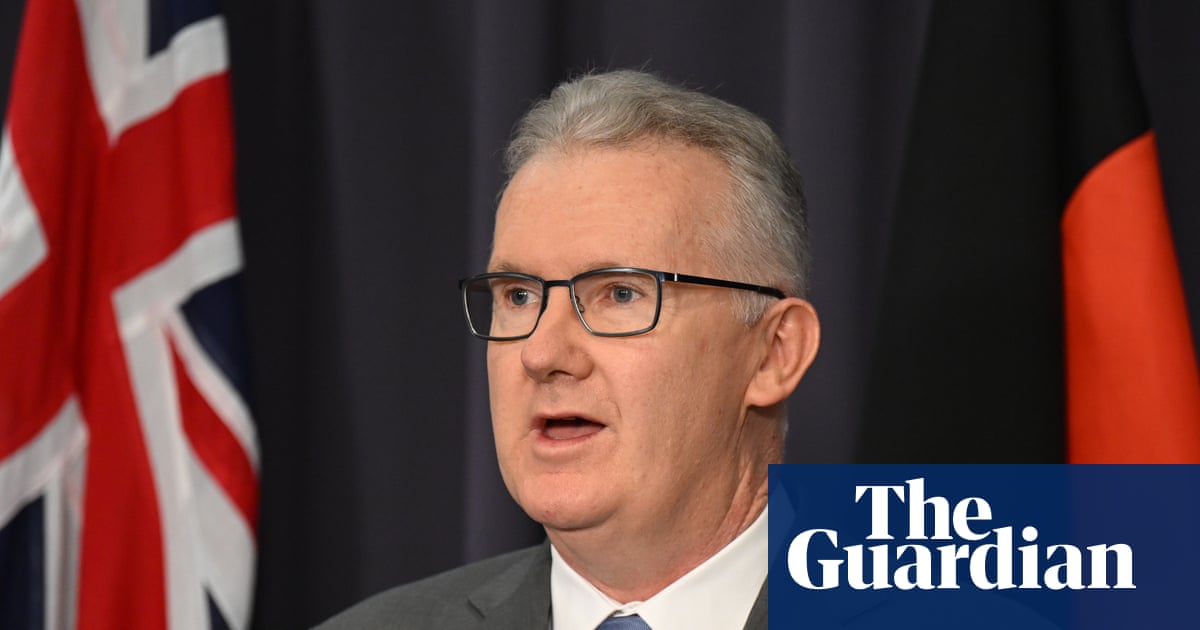
The Migration Amendment (2026 Measures No. 1) Act grants the Minister for Immigration the authority to issue what are called “arrival control determinations” — orders that can block certain offshore temporary visa holders from returning to Australia, even when their visas remain valid and have not been cancelled.
It is a policy shift that redefines what it means to hold a temporary Australian visa, and it is already raising serious questions about workforce mobility, international travel planning, and the legal standing of people who depend on Australia for their livelihoods.
What the New Law Actually Does
At its core, this legislation creates a new ministerial power that did not previously exist. When specific geopolitical events or circumstances occur outside of Australia, the Minister for Immigration can make a determination that restricts certain temporary visa holders from entering the country from offshore.
The stated purpose is national security and the protection of Australian diplomatic interests abroad. Officials have noted that the provision is designed to address potential security risks that could affect Australian interests and diplomatic facilities worldwide.
What makes this law particularly significant — and potentially unsettling for affected visa holders — is what it does not do. It does not cancel visas. It does not revoke visa validity. A person’s temporary visa can remain fully intact while they are simultaneously barred from using it to board a flight to Australia.
That distinction matters enormously in practice. Someone could leave Australia on a working holiday visa, a student visa, or a sponsored work visa, find themselves caught in a geopolitical moment the Minister deems relevant, and suddenly be unable to return — through no fault of their own and with no change to their legal visa status.
Who Is Affected by Australia’s Temporary Visa Travel Restrictions
The law applies specifically to offshore temporary visa holders — meaning people who hold a temporary Australian visa but are currently located outside of Australia when a determination is made. People already inside the country at the time of a determination would not be directly affected by an arrival restriction in the same immediate way.
The categories of temporary visa holders in Australia are broad and include:
- International students on student visas
- Workers on temporary skilled migration visas
- Working holiday makers
- Temporary residents sponsored by employers
- Visitors and short-stay travelers with valid temporary visas
Any of these individuals who travel internationally — whether for a family emergency, a holiday, or a work trip — could potentially find themselves subject to an arrival control determination if the geopolitical circumstances the Minister is monitoring shift while they are abroad.
| Policy Element | Detail |
|---|---|
| Legislation name | Migration Amendment (2026 Measures No. 1) Act |
| Date of effect | March 14, 2026 |
| New power created | Ministerial arrival control determinations |
| Who holds the power | The Minister for Immigration |
| Who is affected | Offshore temporary visa holders |
| Effect on visa validity | Visas are not cancelled or revoked |
| Trigger for use | Specific geopolitical events or circumstances outside Australia |
| Stated purpose | Security risks to Australian interests and diplomatic facilities |
The Real-World Risks This Creates for Travelers and Workers
For employers who rely on internationally mobile workers, this law introduces a layer of operational uncertainty that simply did not exist before March 2026. A skilled worker sent overseas for a short-term assignment, or a staff member who travels home to visit family, now carries a new category of travel risk that has nothing to do with their personal conduct or visa compliance.
Critics of the policy contend that this creates an unfair burden on temporary visa holders who have built their lives, careers, and family arrangements around the expectation that a valid visa means the right to travel and return. Advocates for migrant workers argue that placing this kind of discretionary power in the hands of a single minister — without apparent requirements for individual assessment — raises legitimate concerns about transparency and due process.
From a practical standpoint, anyone on a temporary Australian visa who is considering international travel now faces a new question they must factor into their plans: what happens if geopolitical circumstances shift while I am away? The answer, under this law, is that the Minister could issue a determination that prevents their return — even if their visa is valid and their intention to return is entirely lawful.
Supporters of the measure point to the reality that governments routinely adjust entry conditions in response to fast-moving international security situations, and that Australia’s existing immigration framework did not previously have a targeted tool for managing offshore temporary visa holders during such events.
What Temporary Visa Holders Should Be Thinking About Now
The law is already in effect, which means the risk is not theoretical — it is current. For anyone holding a temporary Australian visa and planning to travel outside the country, several considerations now apply:
- Travel plans should account for the possibility that return entry could be restricted due to circumstances entirely outside your control
- Extended overseas stays carry greater exposure to the risk of an arrival control determination being issued while you are abroad
- Visa validity alone is no longer a guarantee of the ability to board a return flight to Australia
- Employers sponsoring temporary visa holders for overseas travel should be aware of this new legal framework
Immigration legal professionals have noted that this is a genuinely new category of risk in Australian immigration law — one that did not exist before mid-March 2026 and for which there is, as yet, no established body of case law or administrative guidance to indicate exactly how and when the power will be exercised.
What Comes Next
The legislation is now in force, but many of the practical details around how arrival control determinations will be triggered, communicated, and challenged remain to be seen. The Minister’s power is discretionary and tied to geopolitical circumstances, which by their nature are unpredictable.
Advocacy groups and immigration lawyers are expected to push for greater clarity on the process — including how affected visa holders will be notified, whether any appeal mechanism exists, and what support will be available to people stranded offshore as a result of a determination. As of the law’s commencement date, those details have not been publicly confirmed.
For now, anyone on a temporary Australian visa should treat international travel with a new degree of caution — and stay closely informed about any official guidance issued by the Department of Home Affairs as this policy begins to be applied in practice.
Frequently Asked Questions
What is the Migration Amendment (2026 Measures No. 1) Act?
It is an Australian law that came into effect on March 14, 2026, giving the Minister for Immigration the authority to issue arrival control determinations that can restrict certain offshore temporary visa holders from entering Australia.
Does this law cancel temporary visas?
No. The law does not cancel or revoke the validity of temporary visas — it creates a separate power to restrict entry, meaning a visa can remain valid while the holder is still blocked from returning to Australia.
Who can be affected by an arrival control determination?
Offshore temporary visa holders — people who hold a valid Australian temporary visa but are currently located outside of Australia when a determination is made.
What triggers an arrival control determination?
The law specifies that the Minister can act when specific geopolitical events or circumstances outside of Australia occur, particularly those that could affect Australian security interests or diplomatic facilities.
Can affected visa holders appeal or challenge a determination?
This has not yet been publicly confirmed. The details around notification, appeals, and support for those affected offshore had not been formally outlined as of the law’s commencement date.
Should temporary visa holders avoid traveling internationally?
The law does not prohibit international travel, but it introduces a new risk that visa holders and their employers should factor into travel planning, particularly for extended overseas stays.


Leave a Reply