
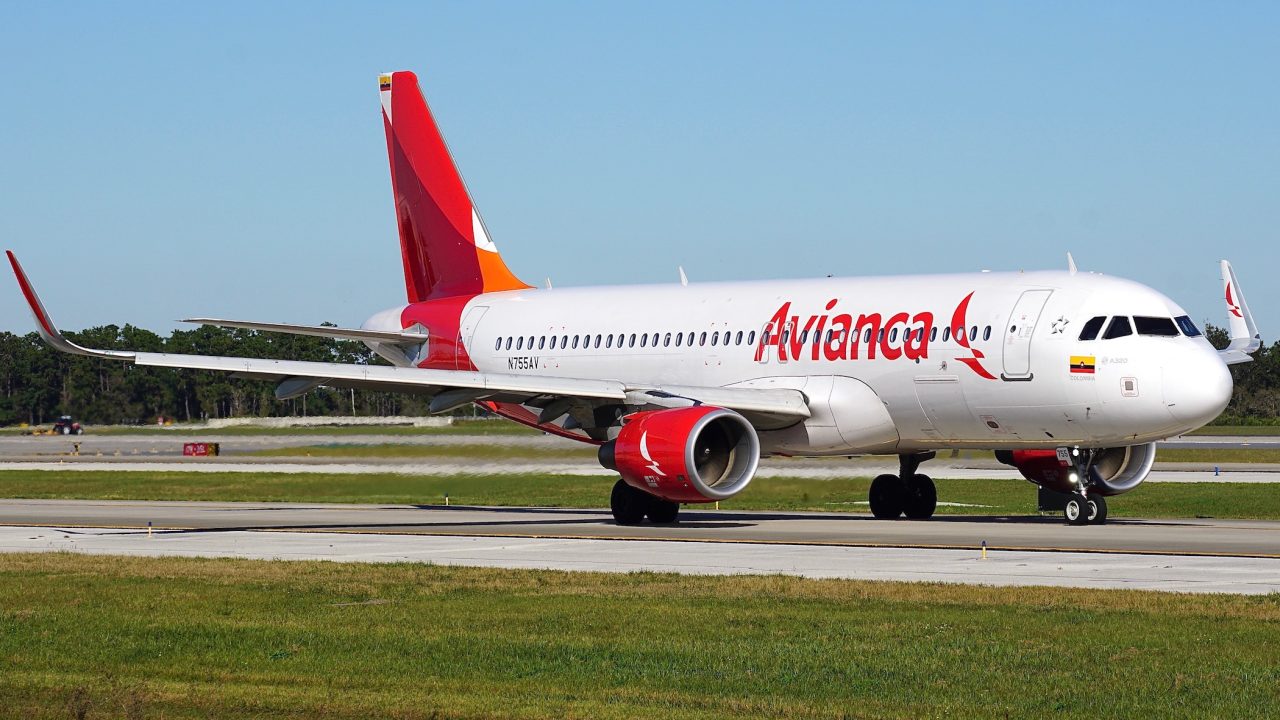
The clock is ticking. With a major international soccer tournament approaching, Avianca has just announced one of the most ambitious travel mobilizations in Latin American aviation history. More than 3,000 flights. Nearly 600,000 seats. Ten host cities across three countries. If you are planning to attend any match, the time to act is right now.
Ticket holders and hopeful fans across Latin America, the Caribbean, and beyond are scrambling to secure flights before prices spike. Avianca’s expanded network is the clearest path from South America to the stadiums of North America. But the seats are filling up, and the airline’s offer will not wait.
The Scale of What Avianca Is Actually Doing
To understand why this matters, you need to appreciate the sheer logistics involved. Avianca is not simply adding a few extra frequencies. The airline is restructuring a significant portion of its North American network around a single sporting event.
According to Travel Daily News, the airline will operate more than 3,000 flights and offer nearly 600,000 seats for the tournament period. That is not a seasonal bump. That is a full-scale deployment.
The cities in Avianca’s expanded coverage include Miami, New York, and Los Angeles, among others. These are not just major hubs. They are tournament venues where some of the most anticipated matches will be played. Fans flying in from Bogotá, Medellín, Lima, or San Salvador now have a direct or near-direct path to the action.
Which Cities Are Covered and Why It Matters
Not all 16 host cities are created equal in terms of match significance. Avianca’s strategic decision to cover 10 of them reflects a careful reading of where Latin American fans are most likely to travel.
The covered cities span the U.S., Mexico, and Canada, according to Aviation24. Miami and New York are natural entry points for South American travelers. Los Angeles draws fans from Central America and the Caribbean. Mexico City and Guadalajara serve the enormous Mexican fan base that will be traveling domestically and regionally.
| Host City | Country | Primary Avianca Origin Markets | Coverage Status |
|---|---|---|---|
| Miami | USA | Colombia, Ecuador, Peru | ✅ Covered |
| New York | USA | Colombia, Venezuela, Central America | ✅ Covered |
| Los Angeles | USA | El Salvador, Honduras, Mexico | ✅ Covered |
| Mexico City | Mexico | Colombia, Central America | ✅ Covered |
| Toronto/Vancouver | Canada | Colombia, Peru, Brazil connections | ✅ Covered |
Canada’s inclusion is particularly notable. Avianca connecting passengers to Canadian host cities signals the airline’s ambition to serve fans who might otherwise rely on U.S. hubs and domestic connections. It shortens the travel chain considerably for fans from northern South America.
The Deeper Story: Soccer as an Aviation Catalyst
What Avianca is doing here is not purely reactive. It is strategic brand positioning at a continental scale.
The airline was recently named Official International Airline Partner of Orlando City Soccer, according to Yahoo Finance. That partnership connects Avianca’s network of over 80 destinations across 25-plus countries to one of the most soccer-passionate regions in the U.S. It is part of a broader strategy to embed the Avianca brand into the culture of the sport itself.
Airlines that align themselves with major sporting events do not just sell seats. They sell identity. When a Colombian fan boards an Avianca flight wearing a yellow jersey, the airline becomes part of the emotional journey. That is worth far more than a standard advertising campaign.
“By enhancing connectivity and offering flexible travel options, Avianca aims to make it easier for fans to be part of the global football celebration.”
— Avianca, via Exclusive Access
The flexible travel options mentioned are key. Tournament schedules shift. Teams advance or exit. Fans need to rebook. Airlines that offer genuine flexibility during a tournament earn loyalty that lasts well beyond the final whistle.
What This Means for the Average Traveler
If you are a fan trying to navigate this, the practical implications are significant. You are not just choosing a flight. You are choosing a travel infrastructure.
Avianca’s hub-and-spoke model means that even fans from smaller cities in Colombia, Peru, or Central America can connect through Bogotá or San Salvador and reach a host city with a single stop. That is a meaningful reduction in travel complexity for millions of people.
The 600,000 seats sound like a large number. But spread across a tournament that draws hundreds of millions of viewers and tens of thousands of traveling fans per match, demand will be fierce. Early booking is not just advisable. It is essential.
There is also the question of accommodation clusters. Host cities will be overwhelmed with visitors. Fans who fly into a covered Avianca city and then drive or take a train to a nearby venue may find better hotel availability and lower prices than those flying directly into the match city.
| Host City | Country | Region Served | Est. Seat Availability | Avg. Flights/Week | Fan Demand Level |
|---|---|---|---|---|---|
| Miami | USA | South America & Caribbean | High | 45 | Very High |
| New York | USA | Northern South America | High | 38 | Very High |
| Los Angeles | USA | Central America & Mexico | Very High | 42 | Extreme |
| Mexico City | Mexico | All Latin America | Medium | 30 | High |
| Toronto | Canada | Caribbean & Colombia | Medium | 22 | Moderate |
The Broader Connectivity Picture Across the Americas
Zoom out and this story becomes about more than one airline and one tournament. It is about the evolving air connectivity of the Western Hemisphere.
For decades, Latin American travelers faced limited direct options to North American cities outside of a handful of major hubs. A fan from Cali or Quito wanting to reach Kansas City or Seattle would face multiple connections and significant cost. The tournament is accelerating a shift that was already underway.
Avianca’s expansion reflects growing demand for direct and near-direct routes between Latin America and secondary U.S. markets. The tournament is the catalyst, but the infrastructure being built or expanded now will outlast the final match. New routes, once proven viable, tend to stick.
What Comes Next for Avianca and Regional Travel
The tournament is a stress test for Avianca’s operational capacity. Moving 600,000 passengers through a compressed tournament window, across three countries, with the emotional volatility of a global sporting event, is a genuine challenge.
Airlines that execute well during major events tend to capture lasting market share. Fans who have a smooth, reliable experience flying to their team’s matches will remember the carrier that made it possible. Those who face cancellations or poor service will remember that too.
The partnership with Orlando City Soccer, and likely others to follow, suggests Avianca is thinking beyond the tournament. Soccer is the most popular sport on the planet. In the Americas, it is a cultural identity. An airline that becomes genuinely associated with the sport, not just a logo on a jersey but a reliable way to reach the game, has tapped into something durable.
Watch for Avianca to announce additional partnerships, expanded codeshares, and potentially new permanent routes to secondary U.S. markets in the months following the tournament. The 3,000 flights are the opening move. The endgame is a reshaped network that reflects where Latin American travelers actually want to go.
Six host cities remain outside Avianca’s current coverage. That gap is both a limitation and an opportunity. If demand from those markets proves strong enough during the tournament, expect the airline to address it in the next scheduling cycle. The fans will have made the case with their bookings.
Soccer does not just fill stadiums. It fills planes. And right now, Avianca is betting that the most important plane to be on is the one heading north.
Frequently Asked Questions

You Might Also Like

Why Global Visitors Are Spending More on Canada Travel in 2025
Canada’s tourism industry is having a moment — and the numbers from 2025 make that…
Noida International Airport Is Weeks Away From Changing How You Fly
Within the next 45 to 60 days, one of India’s most anticipated new airports is…
Carnival Cruise Line Warns PortMiami Passengers to Arrive Early This Weekend
Up to 17 cruise ships are scheduled to depart from PortMiami on the weekend of…
Leave a Reply