
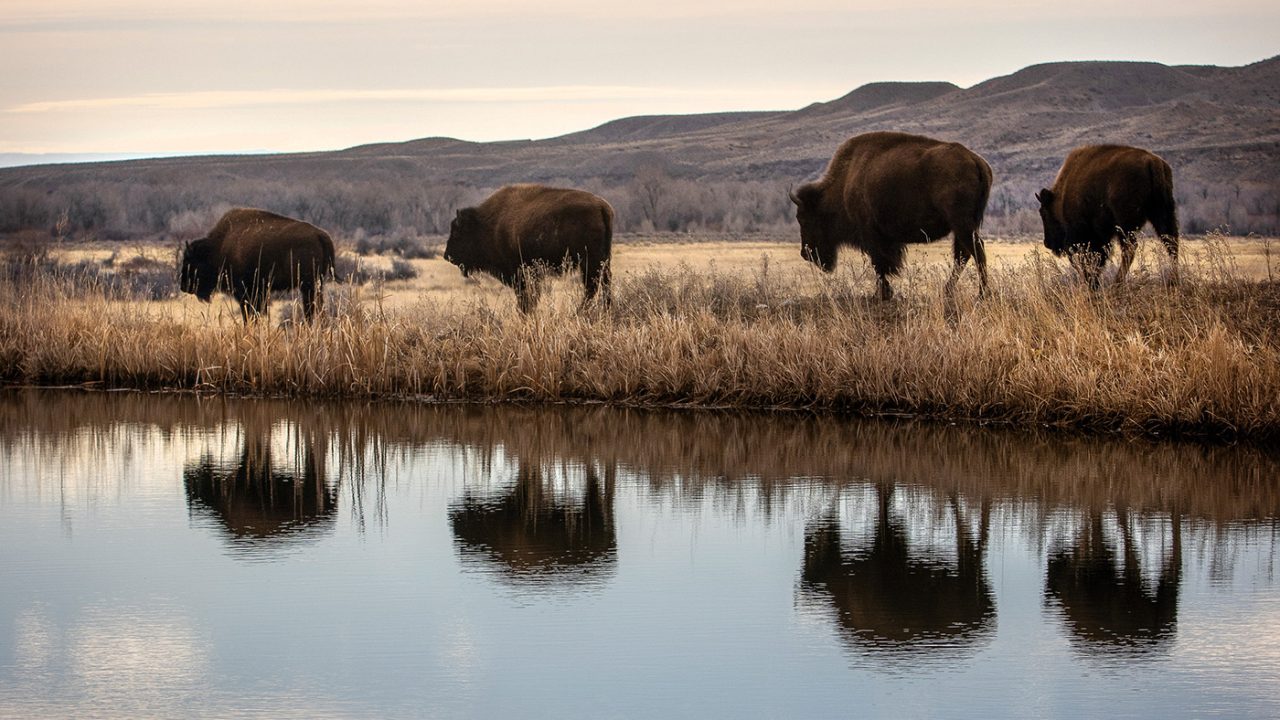
America’s 250th birthday is doing something few milestones actually manage to do — it’s changing where people choose to travel, and the shift is already showing up in booking patterns across the country. Heritage destinations, national parks, and coastal historic sites are all seeing renewed interest as travelers look for experiences that feel connected to something larger than a beach chair or a theme park ride.
The destinations leading this surge aren’t surprising once you think about it. The Black Hills of South Dakota, Chesapeake Bay, the Outer Banks of North Carolina, and Yellowstone each carry a distinct piece of the American story. Together, they’re forming something of an unofficial circuit for milestone summer travel in 2026 — drawing visitors who want history, landscape, and meaning in the same trip.
This isn’t just sentiment. The anniversary is generating measurable tourism demand, with travelers actively seeking places that connect history with lived experience. Colonial towns, national parks, and coastal heritage sites are all benefiting from the moment.
Why the 250th Anniversary Is Reshaping Travel Demand
A national anniversary at this scale creates a specific kind of travel motivation. People aren’t just looking for a vacation — they’re looking for a reason to go somewhere that feels historically significant. The 250th anniversary of the United States lands in that category in a way that few events do.
What’s driving the shift is a combination of patriotic curiosity and a broader desire for immersive cultural experiences. Travelers want to stand somewhere that means something. They want to walk through places where American identity was shaped, debated, and built — not just read about it on a plaque.
Booking trends are reflecting this. National parks, colonial towns, and coastal heritage sites are all seeing increased interest as travelers plan their summer itineraries around the anniversary. The destinations that offer layered narratives — where nature and history overlap — are performing especially well.
The Four Destinations Driving the Surge
Each of the four anchor destinations brings something distinct to this travel moment, and together they cover a wide geographic and experiential range.
| Destination | Region | Primary Appeal | Travel Theme |
|---|---|---|---|
| Black Hills | South Dakota | National monuments, Indigenous heritage, rugged landscape | Patriotic heritage and nature |
| Chesapeake Bay | Mid-Atlantic | Colonial history, maritime culture, coastal ecosystems | Heritage and waterway exploration |
| Outer Banks | North Carolina | Early American history, barrier island landscapes, aviation heritage | Cultural immersion and coastal history |
| Yellowstone | Wyoming / Montana / Idaho | America’s first national park, geothermal wonders, wildlife | National park exploration |
The Black Hills occupy a particularly central role in this travel surge. As a destination, it connects multiple threads of the American story — monumental landscapes, Indigenous history, and the kind of dramatic scenery that has defined how Americans imagine the West. Its position as a unifying anchor in this 250th anniversary travel moment reflects how much ground it covers culturally and geographically.
Chesapeake Bay and the Outer Banks bring the colonial and early national periods into focus. These are places where the founding chapters of American history played out against a backdrop of water, wind, and working communities. For travelers who want history that feels tangible rather than museum-bound, both destinations deliver.
Yellowstone adds a different kind of significance. As America’s first national park, it carries its own anniversary weight — the national park system itself is part of the country’s identity, and visiting Yellowstone in 2026 carries extra resonance for travelers thinking about what America has built and preserved over 250 years.
What This Means for Travelers Planning Summer 2026
If you’re planning a summer trip and haven’t locked in your destination yet, the practical reality is that these four locations are going to be busy. Demand is rising across all of them, and that means accommodations, tour availability, and park entry windows will tighten faster than in a typical summer.
The good news is that the anniversary is also creating more programming and events around these destinations. Heritage sites are leaning into the moment, and travelers can expect richer on-site experiences, interpretive events, and community celebrations tied to the milestone.
- Black Hills: Expect high demand for monument access and lodging near Keystone and Custer State Park — book early.
- Chesapeake Bay: Colonial heritage towns along the bay are ideal for multi-day itineraries that combine history with waterfront dining and kayaking.
- Outer Banks: A barrier island geography means limited lodging supply — availability can disappear months ahead of peak season.
- Yellowstone: Entry passes and campsite reservations at America’s most iconic national park fill up fast under normal conditions; 2026 demand will be exceptional.
Travelers who want to experience multiple destinations can think about routing a road trip through connected regions. The anniversary gives that kind of trip a natural narrative arc — moving through different chapters of American history and landscape in a single journey.
What the Rest of 2026 Looks Like for Heritage Tourism
The anniversary effect isn’t limited to a single weekend or a single destination. The 250th milestone is a year-long travel catalyst, and the momentum building around these four destinations is likely to carry through the entire summer season and into fall.
Heritage tourism more broadly is experiencing a shift in how travelers approach it. The demand isn’t just for history as background — it’s for history as the main event. Travelers are choosing destinations specifically because of their historical significance, and that changes how destinations need to present themselves and what experiences they need to offer.
For the Black Hills, Chesapeake Bay, Outer Banks, and Yellowstone, the 250th anniversary represents both a moment and an opportunity. Each has the depth of story to meet this moment — the question is whether travelers will plan far enough ahead to actually experience it.
Frequently Asked Questions
Why are these four destinations specifically linked to America’s 250th anniversary travel surge?
The Black Hills, Chesapeake Bay, Outer Banks, and Yellowstone each offer layered narratives of American heritage, combining patriotic history, national park exploration, and immersive cultural experiences that align with what travelers are seeking for milestone summer travel.
Is the increase in travel to these destinations confirmed or projected?
The shift is described as visible in booking trends across national parks, colonial towns, and coastal heritage sites — reflecting measurable tourism demand rather than speculation.
Which destination is hardest to access due to limited supply?
The Outer Banks, with its barrier island geography, has inherently limited lodging supply, making it one of the most time-sensitive destinations to book for summer 2026.
What makes the Black Hills central to the 2026 travel moment?
The Black Hills are described as a strategic anchor that unites patriotic heritage, national park exploration, and immersive cultural experience — connecting multiple threads of the American story in a single destination.
Is Yellowstone’s significance in 2026 purely about the anniversary?
Yellowstone carries added resonance as America’s first national park, making it symbolically tied to the 250th anniversary beyond just its status as a popular destination.
Are heritage destinations across the country seeing this effect, or just these four?


Leave a Reply