
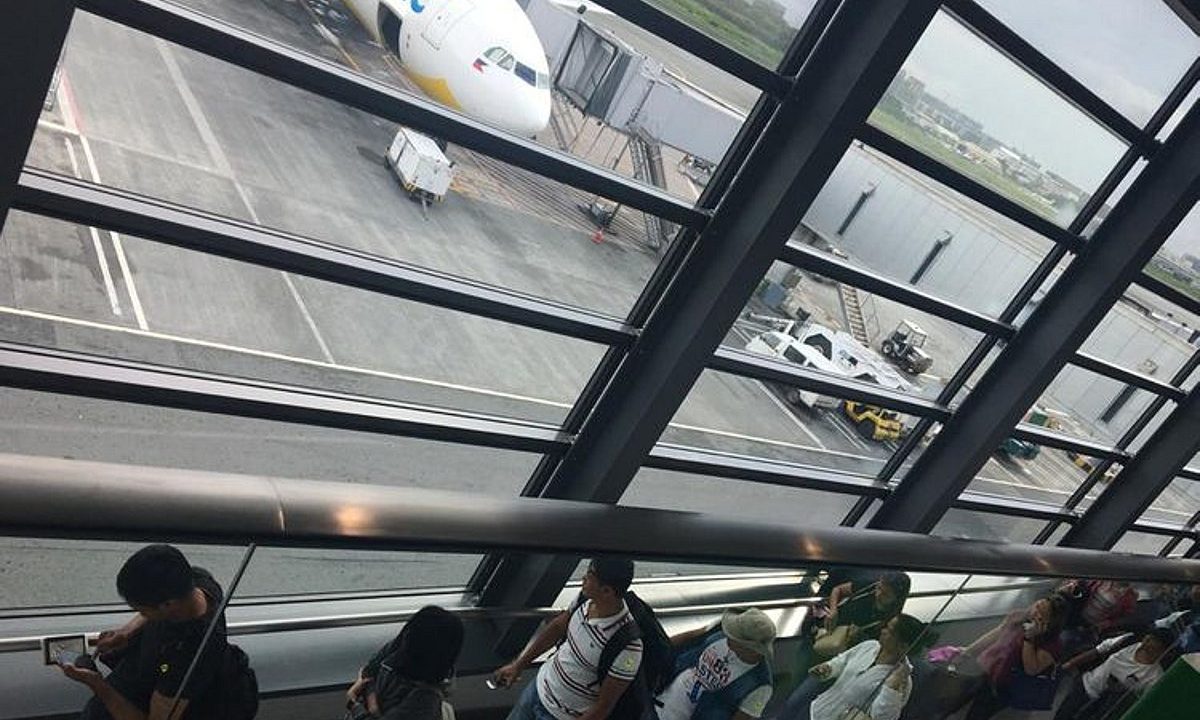
Millions of travelers with plans to fly between Manila and major Gulf cities are facing sudden disruption. Philippine Airlines has suspended flights to key Middle Eastern destinations until April 30, 2026, citing escalating security risks and growing uncertainty over regional airspace — and it is far from alone in making that call.
The suspension affects some of the busiest and most economically significant air corridors in Asia, routes that carry not just tourists but hundreds of thousands of overseas Filipino workers who depend on reliable air connections to reach their jobs in the Gulf.
What makes this moment particularly significant is the scale of the airline response. Philippine Airlines joins a growing list of major Asian carriers — including Japan Airlines, Cathay Pacific, IndiGo, Malaysia Airlines, and Air India — all of which have halted or significantly altered their Middle Eastern routes in response to the same underlying crisis.
What Is Actually Happening With These Flight Suspensions
The trigger is the ongoing geopolitical tensions in the Middle East, which have reached a level serious enough to prompt widespread operational decisions across the aviation industry. Airlines are not grounding flights lightly — these are high-revenue international routes, and suspending them carries real financial cost.
Philippine Airlines has confirmed its suspension covers flights to key Gulf cities, with the halt running through the end of April 2026. The airline cited escalating security risks and airspace uncertainty as the driving factors behind the decision.
This is not a single airline being overly cautious. The fact that carriers from multiple countries — the Philippines, Japan, Hong Kong, India, and Malaysia — have all independently reached the same conclusion signals that the risks being assessed are real and broadly recognized across the industry.
Which Airlines Have Halted Middle East Flights
The list of carriers pulling back from Middle Eastern routes has grown rapidly. Here is what is confirmed based on available reporting:
| Airline | Country of Origin | Action Taken |
|---|---|---|
| Philippine Airlines (PAL) | Philippines | Flights suspended until April 30, 2026 |
| Japan Airlines (JAL) | Japan | Halted or altered Middle Eastern routes |
| Cathay Pacific | Hong Kong | Halted or altered Middle Eastern routes |
| IndiGo | India | Halted or altered Middle Eastern routes |
| Malaysia Airlines | Malaysia | Halted or altered Middle Eastern routes |
| Air India | India | Halted or altered Middle Eastern routes |
The destinations most affected include Dubai, Doha, Kuwait, Bahrain, and Riyadh — five cities that together represent the core of Gulf air travel demand from Asia.
- Dubai (UAE) — one of the world’s busiest aviation hubs
- Doha (Qatar) — home to Qatar Airways and a major transit point
- Kuwait City (Kuwait) — a significant destination for Filipino and South Asian workers
- Bahrain — a smaller but strategically important Gulf hub
- Riyadh (Saudi Arabia) — a major destination for overseas workers across Asia
Who Gets Hit Hardest by These Cancellations
The human impact here goes well beyond inconvenienced leisure travelers. The Manila-to-Gulf corridor is one of the most critical labor migration routes in the world. The Philippines sends hundreds of thousands of workers to Gulf countries every year — domestic workers, construction laborers, healthcare professionals, and engineers — and many rely on Philippine Airlines as their primary carrier home and back.
For those workers, a suspension through April 30 means delayed departures, stranded returns, and in some cases, missed contract start dates with serious financial consequences. Families waiting for remittances are indirectly affected too.
Business travelers, tourists, and Filipinos visiting family in the Gulf region face the same problem: fewer options, likely higher prices on whatever alternative routes remain available, and significant uncertainty about when normal service will resume.
The broader aviation market impact is also worth noting. When six or more major carriers simultaneously withdraw from the same set of routes, it creates a capacity vacuum that remaining airlines — if any are still operating those corridors — cannot easily fill. Ticket prices on alternative routes tend to rise sharply in these situations.
The Bigger Picture: Why So Many Airlines Are Moving at Once
Regional instability affecting airspace is not a new phenomenon in the Middle East, but the current situation appears to have crossed a threshold that airlines and their safety teams cannot overlook. Airspace uncertainty — meaning unpredictable closures, rerouting requirements, or the risk of operating in contested or dangerous skies — is particularly difficult for airlines to manage operationally.
Unlike a weather delay or a mechanical issue, geopolitical risk does not resolve on a predictable timeline. Airlines setting suspension dates like April 30 are essentially buying time to reassess, not announcing a guaranteed return to service. If the situation on the ground worsens or persists, those dates will almost certainly be extended.
Industry observers have noted that coordinated withdrawals of this scale reflect how seriously aviation safety authorities and airline risk teams are treating the current environment. These decisions go through multiple layers of review before being announced publicly.
What Happens Next for Affected Passengers
For anyone holding a ticket on a suspended route, the immediate priority is checking directly with your airline. Philippine Airlines and the other carriers involved are expected to offer rebooking options or refunds for affected passengers, though the specific terms will vary by airline and ticket type.
The suspension window currently runs through April 30, 2026 for Philippine Airlines. Whether that date holds, shortens, or extends depends entirely on how the regional security situation develops over the coming weeks.
Travelers with upcoming bookings to Dubai, Doha, Kuwait, Bahrain, or Riyadh — whether flying from Manila or connecting through Asian hubs — should monitor airline communications closely and avoid making non-refundable travel plans in the region until the situation becomes clearer.
Frequently Asked Questions
Which airlines have suspended flights to the Middle East?
Philippine Airlines, Japan Airlines, Cathay Pacific, IndiGo, Malaysia Airlines, and Air India have all halted or altered their Middle Eastern routes, according to available reporting.
Which Gulf cities are affected by the Philippine Airlines suspension?
The suspension covers flights to Dubai, Doha, Kuwait, Bahrain, and Riyadh.
How long is the Philippine Airlines suspension expected to last?
Philippine Airlines has suspended affected flights until April 30, 2026, though this date could change depending on how the regional situation evolves.
Why are so many airlines suspending Middle East flights at the same time?
The suspensions are linked to escalating geopolitical tensions in the Middle East, which have created heightened security risks and uncertainty over regional airspace.
What should passengers with existing bookings do?
Affected passengers should contact their airline directly to ask about rebooking options or refunds, as specific policies will vary by carrier and ticket type.
Will the suspended routes definitely resume on May 1, 2026?
This has not been confirmed. The April 30 date represents the current suspension window, but resumption of service depends on how the security situation in the region develops.



Leave a Reply