
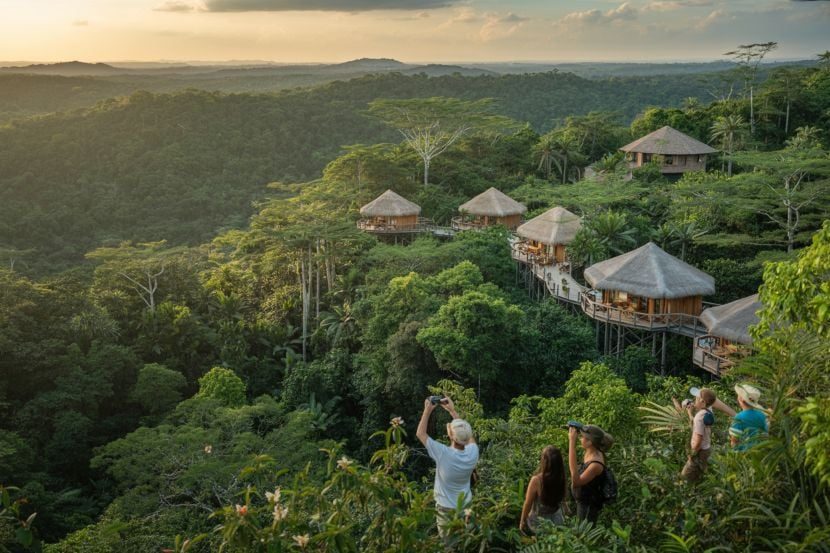
Three of South America’s most compelling destinations are making a coordinated push to reshape how the world thinks about travel in the region. Brazil, Chile, and Colombia have each signaled ambitious plans to attract major tourism investments and breathe new life into key travel corridors — a shift that could meaningfully change the experience waiting for visitors in the years ahead.
For anyone already planning a trip to South America, or simply watching the region with curiosity, what these governments are doing right now matters. Tourism infrastructure, investment climate, and destination appeal don’t change overnight — but when policy momentum builds across multiple countries at once, travelers tend to feel it.
Brazil is leading the charge with what officials are framing as a clear signal to global investors: the country is open for business. The goal is to attract both domestic and international capital into its travel and hospitality sectors, with a particular focus on sustainable tourism growth that can meet surging global demand.
Why South America Is Positioning Itself as the Next Big Tourism Frontier
The timing of these initiatives isn’t accidental. Global travel has rebounded sharply since the pandemic years, and competition among destinations for high-value tourism investment has intensified. South America, long seen as an underutilized region relative to its natural and cultural assets, is now actively courting the kind of infrastructure spending that turns interest into arrivals.
Brazil’s approach centers on boosting its tourism infrastructure to match the country’s growing appeal as a global travel destination. With a cultural richness that spans the Amazon basin, the Pantanal wetlands, colonial cities, and one of the world’s most iconic urban coastlines, the country has long attracted visitors — but officials argue the underlying infrastructure hasn’t kept pace with demand.
Chile and Colombia are pursuing parallel strategies, each working to revitalize key travel destinations within their borders and position themselves as credible, investment-ready markets for hospitality and tourism development.
What the Investment Push Actually Looks Like for Each Country
While the three countries share a broad strategic direction, their individual contexts and priorities differ. Here’s a breakdown of where each stands:
| Country | Core Tourism Strategy | Key Focus Area |
|---|---|---|
| Brazil | Attract domestic and international investment into travel and hospitality sectors | Sustainable tourism growth and infrastructure development |
| Chile | Revitalize key travel destinations through targeted investment initiatives | Destination renewal and tourism sector modernization |
| Colombia | Attract major tourism investment to boost destination appeal | Revitalizing established and emerging travel corridors |
Brazil’s 2026 strategy is framed explicitly around the message that the country is ready for a tourism renaissance — language that suggests officials are aiming not just for incremental growth, but a structural shift in how the country’s travel economy functions.
What This Means If You’re Planning to Visit
For travelers, government investment strategies can feel abstract — until they show up as a new airport terminal, a refurbished hotel corridor, improved transport links, or a destination that suddenly feels more accessible than it did two years ago.
That’s the practical promise embedded in what Brazil, Chile, and Colombia are signaling. When governments actively court tourism investment and pair it with infrastructure goals, the traveler experience tends to follow. Accommodations improve. Connectivity expands. Destinations that were previously difficult to reach become viable itinerary options.
- Brazil offers an extraordinary range of experiences — from the Amazon to Carnival to Iguazu Falls — and improved infrastructure could make the country’s lesser-known regions far more accessible to international visitors.
- Chile already draws travelers to Patagonia, the Atacama Desert, and Easter Island, but revitalization efforts suggest officials see untapped potential in destinations that haven’t yet reached their full appeal.
- Colombia has undergone a remarkable reputation shift over the past decade, with cities like Medellín and Cartagena drawing growing international interest — and new investment could accelerate that trajectory significantly.
Supporters of these initiatives argue that sustainable tourism investment, done well, benefits local communities and ecosystems alongside the hospitality industry. The emphasis on sustainability in Brazil’s framing, in particular, suggests officials are aware that growth without guardrails can damage the very assets that make a destination compelling.
The Bigger Picture: A Region Competing for Global Attention
South America has historically punched below its weight in global tourism rankings relative to the richness of what it offers. That gap between potential and performance is precisely what these investment drives are designed to close.
Brazil entering 2026 with an explicit pitch to global investors — framed as a new era for its tourism economy — is significant. It signals that tourism is being treated as a serious economic priority at the policy level, not simply a secondary benefit of broader development.
When three neighboring countries move in the same direction simultaneously, it also creates a regional effect. Travelers who might visit one country often extend their trips to neighboring destinations. A stronger tourism infrastructure across Brazil, Chile, and Colombia collectively makes the entire region more attractive as a multi-country itinerary — which in turn draws more high-value, longer-stay visitors.
What to Watch for in the Months Ahead
The initiatives described are still in their early stages, with 2026 framed as a pivotal year for Brazil’s tourism investment ambitions. Specific projects, investment figures, and policy mechanisms have not yet been detailed in confirmed reporting, so travelers and industry watchers should monitor announcements from each country’s tourism authorities as plans develop.
What is clear is that all three governments are treating this moment as an opportunity — and the destinations on the receiving end of that attention are worth watching closely, whether you’re planning your next trip or simply tracking where the world’s tourism economy is heading next.
Frequently Asked Questions
Which countries are involved in these new tourism investment initiatives?
Brazil, Chile, and Colombia have each announced ambitious goals to attract major tourism investments and revitalize key travel destinations.
What is Brazil’s specific goal for 2026?
Brazil is positioning itself as open for business to global investors, aiming to attract both domestic and international investment into its travel and hospitality sectors to drive sustainable tourism growth.
Are specific investment figures or projects confirmed?
Specific investment amounts and named projects have not been confirmed in the available reporting — further details are expected as plans develop through 2026.
How will these investments affect travelers visiting the region?
Officials argue that improved tourism infrastructure will enhance connectivity, expand accommodation options, and make previously hard-to-reach destinations more accessible to international visitors.
Is sustainability a factor in these tourism plans?
Brazil’s strategy explicitly references sustainable tourism growth as a core objective, suggesting officials are aiming to balance expansion with protection of the country’s natural and cultural assets.




Leave a Reply