
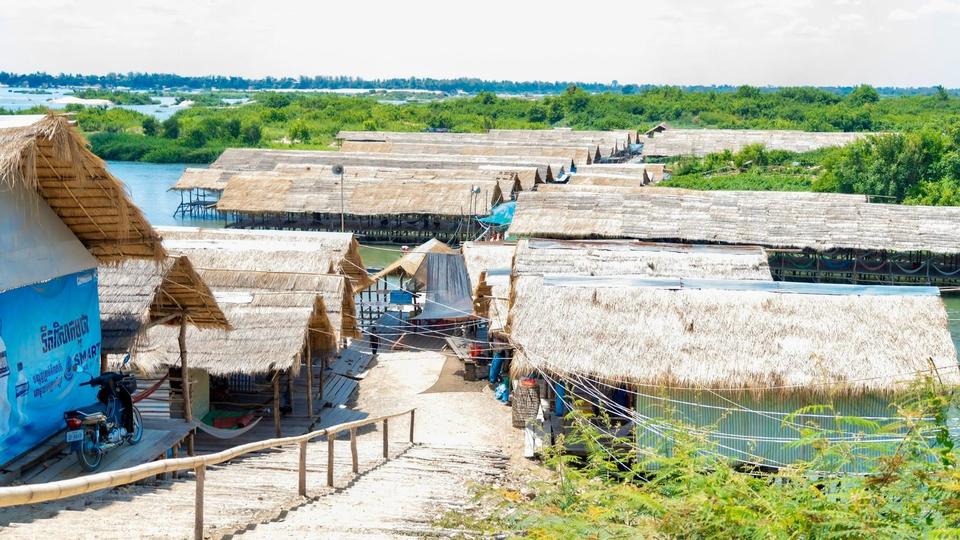
More than 2,500 athletes, community members, and local leaders gathered along the banks of the Mekong River in Kratie Province, Cambodia, for the 10th River Festival — a vivid demonstration of how sports and tourism can be woven together to serve a nation’s broader goals of peace and economic growth.
The three-day event, which ran from March 27 to 29, 2026, wasn’t simply a celebration. It was a deliberate statement about the direction Cambodia wants to take its tourism sector — one where physical activity, cultural heritage, and environmental awareness combine to draw visitors and strengthen communities at the same time.
Cambodia’s Minister of Tourism, H.E. Huot Hak, made that vision explicit in his remarks at the festival. “Sports is a bridge for peace,” he said. “Sports is a tool for development in the fields of tourism.” It’s a framing that positions athletic events not as entertainment add-ons but as core infrastructure for national development.
What the River Festival Is Actually About
The 10th River Festival in Kratie Province carried the theme “Green Rivers, Cultural and Natural Heritage.” That framing tells you a lot about what organizers were trying to accomplish. This wasn’t purely a sporting competition — it was an effort to spotlight the province’s natural environment and cultural identity as tourism assets worth protecting and promoting.
Kratie sits along the Mekong River in northeastern Cambodia and is known for its relatively unspoiled riverside scenery and proximity to rare Irrawaddy dolphins. The province doesn’t always feature prominently in Cambodia’s mainstream tourism narrative, which tends to center on Angkor Wat and Phnom Penh. Events like the River Festival are designed, in part, to shift that balance.
Sports activities such as a 5 km fun run were central to the programming — accessible, community-friendly events that invite broad participation rather than limiting engagement to elite athletes. That inclusivity matters when the goal is to use sports as a vehicle for social cohesion and local economic activity.
Sports Tourism in Cambodia: The Key Details
The River Festival brought together a wide cross-section of participants. The event attracted over 2,500 athletes, community members, and leaders, reflecting the scale of interest in sports-based tourism events at the provincial level.
| Detail | Information |
|---|---|
| Event Name | 10th River Festival, Kratie Province |
| Dates | March 27–29, 2026 |
| Theme | Green Rivers, Cultural and Natural Heritage |
| Total Participants | Over 2,500 athletes, community members, and leaders |
| Featured Sports Activity | 5 km fun run |
| Key Official | H.E. Minister Huot Hak, Minister of Tourism |
The festival’s dual mandate — promoting public health among residents and youth while showcasing the province’s tourism potential — reflects a model increasingly common in developing tourism markets. Rather than waiting for large-scale infrastructure projects to attract visitors, provinces like Kratie are using recurring events to build a reputation over time.
- Community health: The festival’s sports activities were explicitly aimed at encouraging physical activity among local residents and young people.
- Tourism promotion: By drawing participants and attention to Kratie, the event serves as a marketing platform for the province’s natural and cultural assets.
- Peace-building: Minister Huot Hak’s framing positions sports as a unifying force — a soft-power tool that builds social trust across communities.
- Economic development: Increased visitor numbers tied to events like this translate directly into spending on accommodation, food, and local services.
Why This Matters Beyond One Province
Cambodia’s broader tourism sector has been in recovery and rebuilding mode following the disruptions of recent years. Strategies that activate regional provinces — rather than concentrating all tourism value in a handful of well-known destinations — are increasingly important for distributing economic benefits more evenly across the country.
For residents of Kratie and surrounding areas, a well-attended annual festival represents real economic activity: guesthouses fill up, restaurants serve more customers, and local vendors find a ready market. The cumulative effect of recurring events, year after year, helps build the kind of tourism infrastructure and reputation that sustains visitor numbers beyond any single occasion.
There’s also a message here for Cambodia’s youth. When government ministers show up to a provincial fun run and frame it as part of national development strategy, it signals that sports participation is valued — not just as recreation, but as civic engagement and economic contribution.
For travelers, the River Festival points to a style of tourism that is growing in appeal globally: experiences that connect visitors to local culture, natural environments, and community life, rather than purely passive sightseeing. A 5 km run along the Mekong, surrounded by local participants and set against the backdrop of one of Southeast Asia’s great rivers, is exactly the kind of authentic experience that motivates modern travelers to venture beyond the standard tourist circuit.
What Comes Next for Sports Tourism in Cambodia
The 10th River Festival marks a milestone — a decade of this particular event — which itself signals institutional staying power. Events that reach their tenth edition have typically developed reliable organizational frameworks, local stakeholder buy-in, and a degree of regional brand recognition.
Minister Huot Hak’s public remarks at the festival suggest that the national government views sports tourism not as a peripheral concern but as a genuine pillar of Cambodia’s tourism development strategy. That kind of top-level endorsement tends to translate into continued support for similar events across the country’s provinces.
Whether Kratie’s River Festival model gets replicated in other regions — or expanded in scale — remains to be seen. But the combination of accessible sports activities, environmental messaging, and cultural heritage promotion offers a template that other provinces could reasonably adapt to their own contexts and assets.
Frequently Asked Questions
What is the River Festival in Kratie Province?
It is an annual multi-day event in Kratie Province, Cambodia, that combines sports activities, cultural programming, and environmental promotion. The 10th edition ran from March 27 to 29, 2026.
What was the theme of the 10th River Festival?
The theme was “Green Rivers, Cultural and Natural Heritage,” reflecting a focus on environmental awareness alongside sports and tourism promotion.
How many people attended the 10th River Festival?
The event attracted over 2,500 athletes, community members, and leaders across its three-day run.
What sports activities were featured at the festival?
A 5 km fun run was among the featured sports activities, designed to promote health among local residents and youth while drawing attention to the province’s tourism potential.
What did Cambodia’s Minister of Tourism say about sports and tourism?
Minister H.E. Huot Hak stated that “sports is a bridge for peace” and described sports as “a tool for development in the fields of tourism” during his remarks at the festival.
Why is Kratie Province significant for Cambodia’s tourism strategy?
Kratie offers natural and cultural heritage assets along the Mekong River, and events like the River Festival are intended to promote its tourism potential beyond Cambodia’s more established destinations.

Leave a Reply