
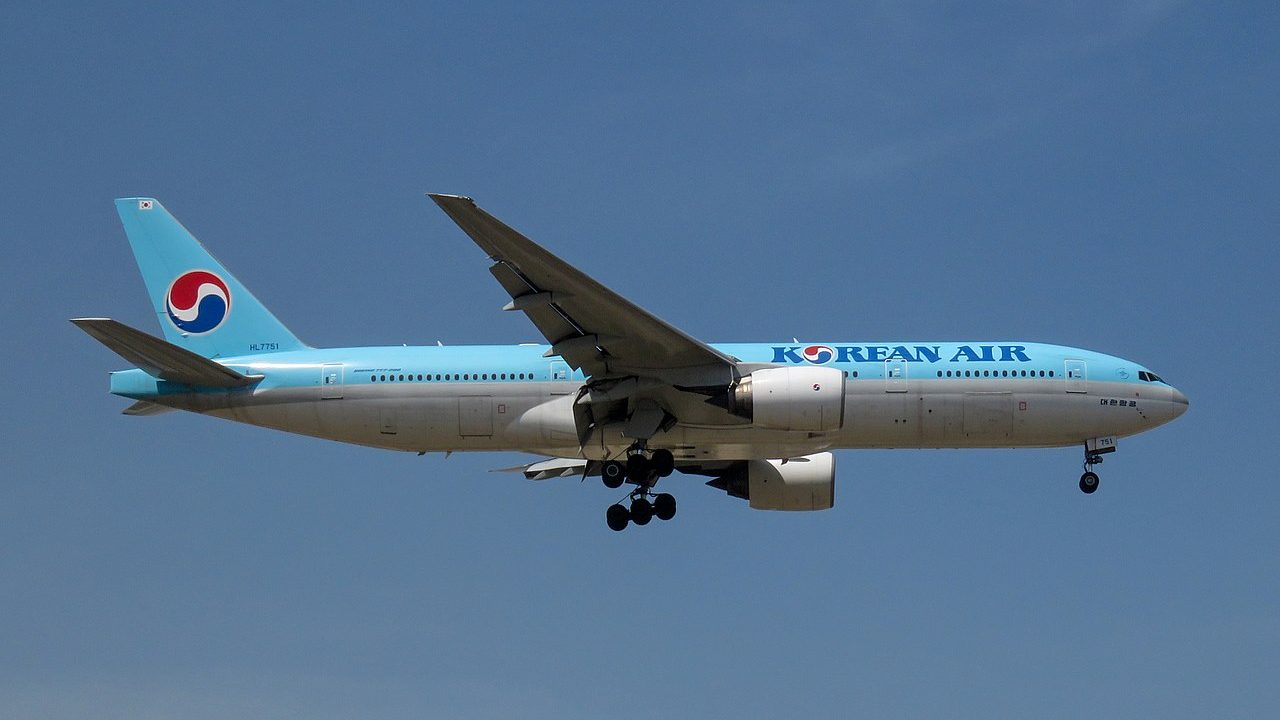
A coordinated push by some of Asia’s biggest airlines is quietly reshaping how international travelers think about visiting China — and a brand-new destination in Hebei province is emerging at the center of it all.
Cathay Pacific, China Eastern, Air China, Korean Air, China Southern, and Asiana Airlines are collectively expanding flight routes and streamlining travel connections to drive visitor numbers from South Korea, Japan, and the United States into China. The effort is notable not just for the airlines involved, but for where it’s pointing travelers: away from the familiar skylines of Beijing and Shanghai, and toward somewhere most Western tourists have never heard of.
That place is Xiong’an New Area, a purpose-built innovation zone in Hebei province that is rapidly positioning itself as one of China’s most ambitious new destinations — and the hospitality industry is already responding in a significant way.
Why Xiong’an Is Suddenly on the International Travel Map
Xiong’an New Area isn’t a city that grew organically over centuries. It was deliberately established as a showcase for China’s vision of modern, sustainable urban development, and it sits in Hebei province, close enough to Beijing to benefit from the capital’s connectivity but distinct enough to offer something genuinely different.
For international tourists who have already done Beijing’s hutongs and Shanghai’s Bund, Xiong’an represents something new — a region built from the ground up, with infrastructure designed for the future rather than inherited from the past.
The launch of the NXA airline code is a concrete signal of how seriously the aviation industry is treating Xiong’an’s rise. A dedicated airport code is typically the moment a destination transitions from a regional project into something with genuine international reach. Xiong’an appears to have crossed that threshold.
The Airlines Driving China’s International Visitor Surge
The coalition of carriers now focused on bringing South Korean, Japanese, and American visitors into China represents a broad cross-section of Asian aviation. Each airline brings a different network and passenger base to the effort.
| Airline | Home Country | Key Visitor Market Targeted |
|---|---|---|
| Cathay Pacific | Hong Kong | U.S., international connections |
| Air China | China | South Korea, Japan, U.S. |
| China Eastern | China | South Korea, Japan, U.S. |
| China Southern | China | South Korea, Japan, U.S. |
| Korean Air | South Korea | South Korean outbound travelers |
| Asiana Airlines | South Korea | South Korean outbound travelers |
What makes this coordinated push meaningful is the combination of Chinese carriers expanding outward and foreign carriers like Korean Air and Asiana channeling their own passengers toward Chinese destinations. The result is a denser web of connections that makes China more accessible from Seoul, Tokyo, and major U.S. cities than it has been in recent years.
Hilton and Marriott Are Already Betting on Xiong’an
If there’s a reliable signal that a destination is about to break through, it’s when global hotel brands start planting flags. Both Hilton and Marriott are reported to be part of a hospitality surge triggered by the Xiong’an airport expansion — a development that suggests these companies see genuine long-term demand, not just short-term hype.
The arrival of internationally recognized hotel brands matters for the traveler experience. It means visitors from South Korea, Japan, and the United States — markets where travelers often prioritize familiar hospitality standards — will have accommodation options that meet expectations they bring from home. That reduces one of the friction points that can deter first-time visitors to less-established destinations.
For Xiong’an specifically, the hospitality surge signals a transition from a region being built for residents and businesses into one actively courting overnight international visitors.
What This Means for Travelers From South Korea, Japan, and the U.S.
If you’re a traveler based in one of these three markets, the practical implications are straightforward:
- More direct and connecting flight options to reach not just Beijing and Shanghai, but emerging destinations like Xiong’an
- Expanded route networks from both Chinese and non-Chinese carriers, which typically drives competitive pricing
- Growing hotel infrastructure at the destination level, with brands like Hilton and Marriott providing familiar options
- A new destination narrative that positions China’s interior and newer development zones as travel-worthy, not just its coastal megacities
For South Korean and Japanese travelers in particular, geographic proximity has always made China accessible in theory. The current airline expansion appears aimed at converting that latent interest into actual bookings, with Xiong’an serving as a fresh hook that gives repeat visitors a reason to return.
American travelers face longer flights, but Cathay Pacific’s role in this coalition is significant — the airline has long served as a key bridge carrier between North America and mainland China, and its involvement suggests the push is genuinely aimed at long-haul markets, not just regional ones.
What Comes Next for Xiong’an and China’s Tourism Push
The combination of a new airport code, expanding airline routes, and hotel brand investment suggests Xiong’an is approaching a tipping point where infrastructure catches up with ambition. Destinations tend to gain international momentum when several of these elements align simultaneously — and that alignment appears to be happening now.
The broader trend also reflects China’s continued effort to diversify its international tourism appeal beyond its most famous cities. Travelers from South Korea, Japan, and the United States are among the highest-value visitor segments globally, and drawing them toward newer regions like Xiong’an would distribute tourism revenue more widely across the country.
Whether Xiong’an becomes a mainstream international destination or remains a niche draw for curious travelers will likely depend on how quickly the on-the-ground experience — hotels, attractions, accessibility — matures to match the infrastructure investment already underway.
Frequently Asked Questions
Which airlines are involved in driving international visitors to China?
Cathay Pacific, China Eastern, Air China, Korean Air, China Southern, and Asiana Airlines are all playing a role in expanding routes and connections to bring more visitors from South Korea, Japan, and the United States to China.
Where is Xiong’an New Area located?
Xiong’an New Area is located in Hebei province, China, and is emerging as a new international tourism destination beyond the established cities of Beijing and Shanghai.
What is the NXA airline code?
NXA is the airline code associated with Xiong’an, signaling the region’s growing status as an internationally connected destination with its own airport infrastructure.
Which hotel brands are expanding into Xiong’an?
Both Hilton and Marriott are reported to be part of the hospitality surge triggered by the Xiong’an airport expansion, according to the source reporting on this development.
Which international traveler markets is this push most focused on?
The airline coalition is specifically targeting visitors from South Korea, Japan, and the United States as the primary international markets for this China tourism drive.
Is this confirmed as a formal airline partnership or alliance?
The source describes the airlines as collectively driving visitor growth through expanded routes and connections, but the specific formal structure of any coordinated agreement has not been confirmed in available reporting.




Leave a Reply