
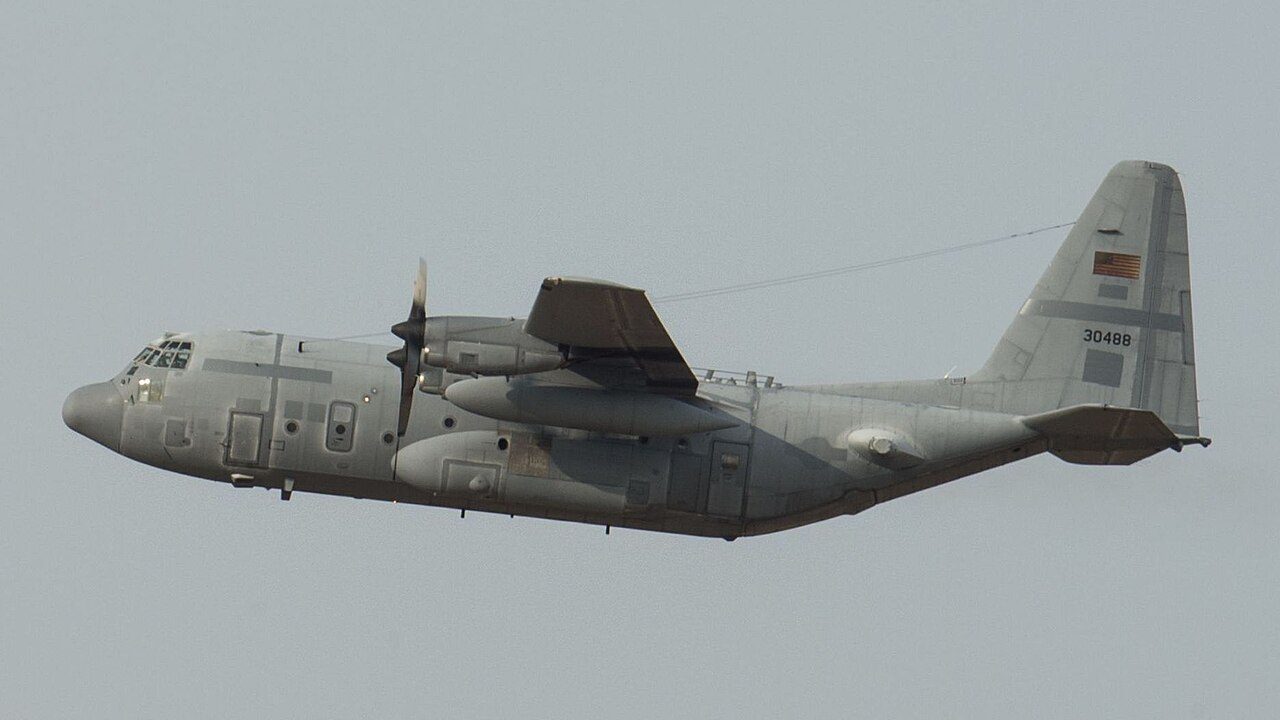
At least 66 people were killed on March 23, 2026, when a Colombian Air Force transport plane crashed moments after takeoff from a military airport in the Putumayo region — one of the deadliest aviation disasters in Colombia’s recent history. The aircraft never had a chance to reach cruising altitude before it plunged into dense jungle, igniting a fire that made rescue efforts extraordinarily dangerous.
The victims included soldiers from the Colombian National Army, air force crew members, and police officers — people who boarded a routine military transport flight and never arrived at their destination. The scale of the loss has shaken Colombia’s armed forces and reignited long-standing questions about the state of the country’s military aviation fleet.
Rescue teams worked through chaos and danger to reach survivors, battling both the remote jungle terrain and the threat of exploding ammunition that had been loaded onto the aircraft. That anyone survived at all is, by any measure, remarkable.
What Happened Over Puerto Leguízamo
The aircraft involved was a Lockheed C-130H Hercules, a heavy military transport plane that has been a workhorse of air forces around the world for decades. It departed from Caucayá Airport in Puerto Leguízamo, Putumayo, bound for Puerto Asís — a relatively short domestic military route through one of Colombia’s most remote and forested regions.
The crash happened fast. According to early reports, the plane experienced a loss of altitude during its initial climb. Witnesses on the ground described seeing one of the wings clip a tree, after which the aircraft lost control and plummeted into a dense forested area approximately 1.5 to 2 kilometers from the airport.
Impact was followed almost immediately by a massive fire. Making the situation dramatically worse, the plane was carrying ammunition at the time of the crash. That ammunition began exploding after the fire ignited, sending rescue teams scrambling and turning the crash site into an active danger zone. Getting to survivors — and getting them out — required extraordinary courage under conditions that most emergency responders rarely face.
The Crash at a Glance: Key Facts
| Detail | Information |
|---|---|
| Date of crash | March 23, 2026 |
| Aircraft type | Lockheed C-130H Hercules |
| Departure airport | Caucayá Airport, Puerto Leguízamo, Putumayo |
| Intended destination | Puerto Asís |
| Distance from airport at crash | Approximately 1.5 to 2 kilometers |
| Confirmed deaths | At least 66 |
| Victims included | Colombian National Army soldiers, air force crew, police officers |
| Crash site | Dense forested area near Puerto Leguízamo |
- A loss of altitude during initial climb was reported as a contributing factor
- Witnesses described a wing striking a tree before the plane went down
- A post-impact fire ignited almost immediately
- Ammunition on board began exploding, severely complicating rescue operations
- Despite these conditions, rescuers managed to pull dozens of people from the wreckage
How Rescuers Pulled Survivors Out of a Burning Jungle
The rescue operation that followed the crash was, by any standard, a daring one. Emergency responders had to navigate thick jungle terrain while the crash site remained actively dangerous due to exploding ammunition. Fire continued to burn through the wreckage as teams worked to locate and extract survivors.
The fact that dozens of people were rescued alive — pulled from a burning, exploding aircraft crash site in a remote forested region — speaks to both the speed of the emergency response and the resilience of those who survived the initial impact. Officials have noted the enormous difficulty rescuers faced in reaching the site and maintaining operations under those conditions.
Putumayo is one of Colombia’s most challenging regions for emergency operations. Its dense jungle, limited road access, and remote geography make any large-scale rescue effort a logistical undertaking. That this one succeeded in saving lives amid active explosions is being recognized as an act of collective bravery.
Why This Crash Has Sparked Calls for Military Reform
The C-130H Hercules is a capable aircraft, but it is also an aging platform. The Colombian Air Force’s reliance on older military transport aircraft has drawn scrutiny before, and this disaster has amplified those concerns sharply. Officials and observers have pointed to this crash as evidence that urgent military modernization can no longer be deferred.
Critics have long argued that Colombia’s armed forces operate equipment well past its optimal service life, particularly in transport aviation — a category of military capability that often receives less investment attention than combat aircraft. When those transport planes carry soldiers, police, and crew on routine missions, the stakes of deferred maintenance and aging fleets become devastatingly clear.
The loss of 66 military and law enforcement personnel in a single incident represents a significant blow to Colombia’s armed forces. Beyond the human cost, it raises structural questions about how the country equips and maintains the aircraft that move its personnel through some of the most difficult terrain on earth.
What Comes Next for Colombia’s Air Force and the Investigation
An investigation into the cause of the crash is expected to examine both the mechanical condition of the aircraft and the circumstances of the flight, including the reported loss of altitude during initial climb and the witness accounts of a wing striking a tree. Whether those factors point to mechanical failure, pilot error, environmental conditions, or some combination will be central to the findings.
The broader question of military fleet modernization is now firmly on the national agenda. The disaster has sent what officials have described as shockwaves across Colombia, and pressure is growing on military and government leadership to accelerate reviews of aging aircraft still in active service.
For the families of the 66 people killed, and for the survivors now recovering from one of Colombia’s worst military aviation disasters in recent memory, the coming weeks will be defined by grief, questions, and the long process of understanding exactly what went wrong over the jungles of Putumayo on March 23, 2026.
Frequently Asked Questions
How many people were killed in the Colombian Air Force C-130 crash?
At least 66 people were killed, including soldiers from the Colombian National Army, air force crew members, and police officers.
Where did the crash happen?
The aircraft crashed approximately 1.5 to 2 kilometers from Caucayá Airport in Puerto Leguízamo, Putumayo, in a dense forested area.
What type of plane was involved?
The aircraft was a Lockheed C-130H Hercules, a military transport plane operated by the Colombian Air Force.
What caused the crash?
Early reports cited a loss of altitude during the initial climb, with witnesses describing a wing clipping a tree before the aircraft went down. A full investigation is underway and an official cause has not yet been confirmed.
Were there any survivors?
Yes — rescuers managed to save dozens of people despite the crash site being engulfed in fire and experiencing explosions from ammunition on board the aircraft.
Why did the ammunition explode?
The aircraft was transporting ammunition at the time of the crash. When the post-impact fire ignited, the ammunition detonated, making rescue operations significantly more dangerous and difficult.

Leave a Reply