
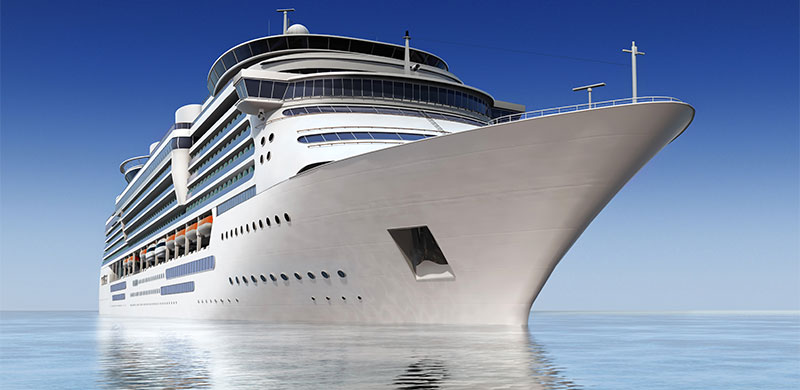
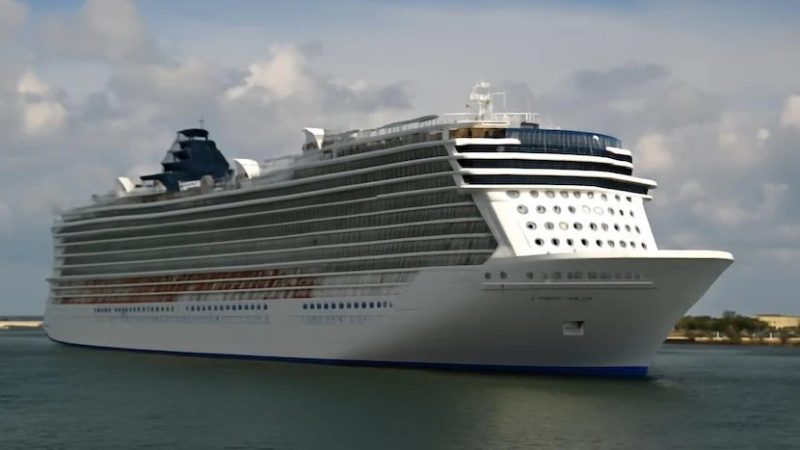
A cruise ship crew member has died following a fatal accident involving an elevator system onboard a vessel, according to reports published in March 2026. The incident occurred during routine maintenance work in a restricted mechanical area of the ship — a space most passengers never see and rarely think about.
The tragedy has sent ripples through the global cruise tourism industry, reigniting a debate that surfaces periodically but rarely receives sustained attention: how safe are the complex mechanical systems that keep these floating cities running, and what risks do the people who maintain them face every day?
While millions of travelers each year step aboard cruise ships expecting a seamless luxury experience, incidents like this serve as a reminder that behind the polished decks and buffet lines, these vessels are enormous industrial operations — and that operational risk doesn’t disappear just because the setting looks like a resort.
What Happened Onboard
According to early reports, the crew member was working in or near an elevator shaft when the lift system moved suddenly and without warning. The unexpected movement proved fatal. Emergency procedures were activated immediately, and medical assistance was rendered onboard — but the individual could not be saved.
Following the incident, the ship diverted to port so that local authorities and maritime investigators could begin formal examination procedures. The diversion itself signals the seriousness with which maritime law treats onboard fatalities: these incidents trigger mandatory reporting obligations and require independent oversight before a vessel can resume normal operations.
At this stage, the specific cruise line, vessel name, and port of diversion have not been confirmed in available reports. Investigators are focused on understanding both the mechanical circumstances that led to the elevator’s unexpected movement and whether established safety protocols were followed during the maintenance operation.
Why Cruise Ship Elevator Accidents Are More Complex Than They Sound
Elevator systems on large cruise ships are not comparable to the lifts found in office buildings or hotels on land. These are sophisticated, heavily used mechanical systems operating in a marine environment — subject to constant motion, salt air corrosion, and the demands of thousands of passengers moving between decks around the clock.
Maintenance on these systems typically requires crew members to work in confined shaft spaces, often during off-hours when passenger traffic is low. It is precisely this kind of work — routine, repeated, and conducted in tight quarters — that carries significant physical risk if safety lockout procedures fail or if equipment behaves unexpectedly.
Maritime safety advocates have long pointed out that crew members aboard cruise ships work in conditions that differ substantially from land-based employment, including limited access to external emergency services, jurisdictional complexity when incidents occur at sea, and the challenge of conducting investigations across international boundaries.
What the Investigation Is Looking At
Maritime safety authorities have launched a detailed investigation into the accident, with particular focus on what occurred inside the controlled technical environment of the elevator shaft. The key questions investigators are likely examining include:
- Whether proper lockout and isolation procedures were in place before maintenance began
- Whether the elevator system experienced a mechanical failure or was inadvertently activated
- Whether the crew member had received appropriate training for work in that specific environment
- Whether safety signage, barriers, or communication protocols were followed
- Whether the vessel’s maintenance logs reflect any prior issues with the elevator system
The formal investigation process in maritime incidents of this nature typically involves both the flag state authority of the vessel and local authorities at the port where the ship diverted. Findings, when released, can result in safety recommendations that apply industry-wide — not just to the vessel involved.
The Broader Safety Picture for Cruise Ship Crew
Crew members aboard cruise ships occupy a unique and often underexamined position in the global travel industry. They live and work on the vessel for extended contract periods, performing everything from guest-facing hospitality roles to complex technical maintenance tasks — sometimes with limited separation between the two.
| Area of Concern | Context |
|---|---|
| Mechanical maintenance risk | Crew work in confined technical spaces including elevator shafts, engine rooms, and below-deck systems |
| Jurisdictional complexity | Incidents at sea may fall under the flag state’s laws, complicating investigations and legal accountability |
| Emergency response limitations | Onboard medical facilities vary; external emergency services may be hours away at sea |
| Investigation process | Fatal incidents trigger mandatory port diversion and formal maritime authority review |
| Industry-wide implications | Investigation findings can generate safety recommendations applicable across the cruise sector |
Safety advocates argue that the glamour associated with cruise travel can obscure the industrial realities of how these ships operate. For the crew who maintain the mechanical infrastructure, the risks are real and present — regardless of how the experience appears to passengers on the upper decks.
What Happens Next in This Investigation
The investigation launched following this incident is expected to follow standard maritime protocols. Authorities will examine physical evidence from the elevator shaft, review maintenance records, interview crew members who were present or nearby, and assess whether the vessel’s safety management system was functioning as required.
Formal findings in maritime fatality investigations can take months to produce, depending on the complexity of the evidence and the number of jurisdictions involved. When published, those findings become part of the public record and are often reviewed by safety bodies internationally.
For the cruise industry more broadly, this incident arrives at a moment when the sector is experiencing significant growth in passenger numbers and fleet expansion. Industry observers note that periods of rapid growth can place additional pressure on maintenance schedules and crew workloads — factors that investigators may consider as part of their review.
The outcome of this investigation may carry implications beyond the vessel involved, potentially prompting renewed scrutiny of elevator maintenance protocols and crew safety standards across the wider industry.
Frequently Asked Questions
What caused the cruise ship crew member’s death?
According to early reports, the crew member was working in or near an elevator shaft when the lift system moved suddenly and unexpectedly, resulting in a fatal injury. The precise mechanical cause is under investigation.
Which cruise ship or cruise line was involved?
The specific vessel name and cruise line have not been confirmed in available reports at this stage of the investigation.
What happens to a cruise ship after a fatal onboard incident?
In this case, the ship diverted to port so that local authorities and maritime investigators could begin formal examination procedures, which is standard practice following a fatal incident at sea.
Is it safe to travel on a cruise ship?
This incident involved a crew member performing technical maintenance work, not a passenger. However, the broader safety of mechanical systems onboard is now a focus of the formal maritime investigation.
How long will the investigation take?
Maritime fatality investigations typically take several months to complete, depending on the complexity of the evidence and the jurisdictions involved. Formal findings have not yet been released.
Could this lead to new safety regulations for cruise ships?
Investigation findings in maritime fatality cases are often reviewed by international safety bodies and can result in industry-wide safety recommendations, though no specific regulatory changes have been announced at this time.


Leave a Reply