
For the eighth year running, Finland has claimed the top spot on the World Happiness Report — and the world is finally booking flights to find out why. What was once a quiet Nordic nation better known for long winters and reindeer than resort hotels has become one of the most talked-about travel destinations on the planet, drawing visitors who want more than a beach holiday. They want to feel genuinely better.
That shift in traveler priorities has helped Finland overtake a formidable list of rivals in tourism growth — including Iceland, Denmark, Costa Rica, the Netherlands, Luxembourg, and Switzerland — countries that have long dominated wellness and quality-of-life travel. The fact that Finland is now leading the pack says something significant about where the travel industry is heading.
This isn’t just a ranking story. It’s a story about what people are looking for when they leave home, and why one country’s approach to happiness is reshaping the entire travel landscape.
Why Finland Is Winning the Happiness Tourism Race
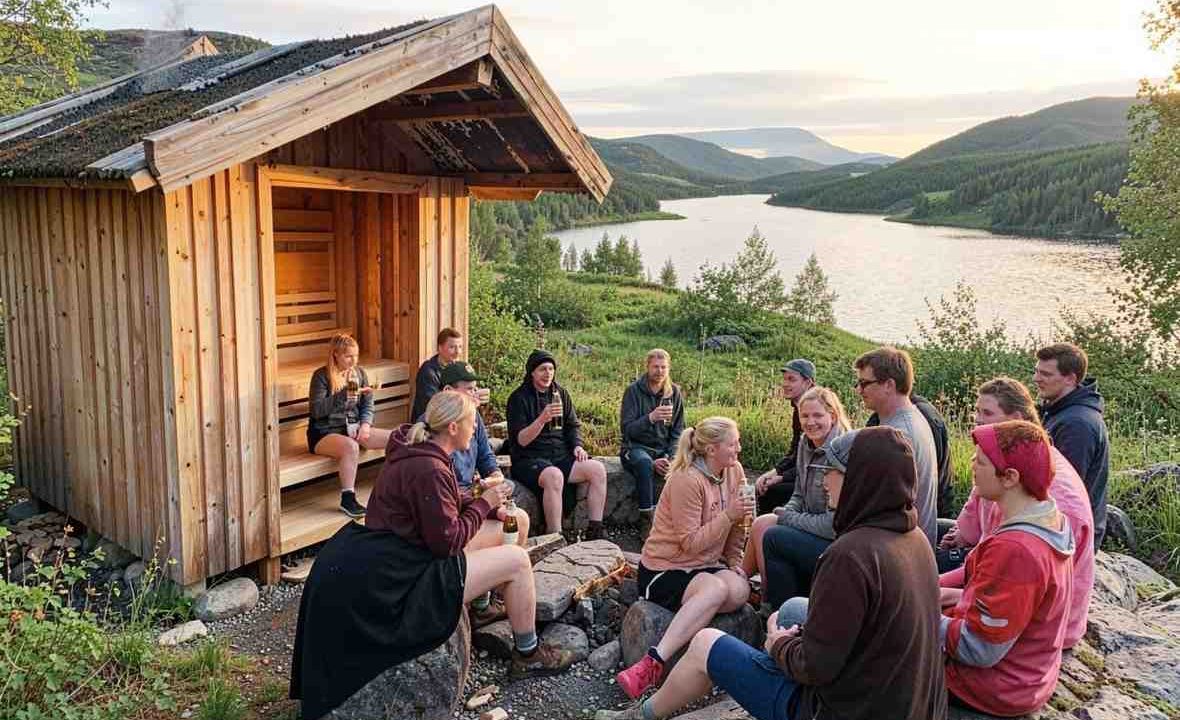
Finland’s rise as a tourism powerhouse is rooted in something most destination marketing campaigns can’t manufacture: authenticity. The country’s appeal is built on wellness tourism, tranquil natural landscapes, lakeside retreats, saunas, and outdoor adventures — all of which align perfectly with what burned-out travelers are actively seeking right now.
The global wellness tourism market has been growing steadily for years, but the post-pandemic era accelerated demand dramatically. Travelers are no longer satisfied with simply seeing a place. They want to decompress in it. Finland, with its thousands of lakes, vast forests, and deeply ingrained sauna culture, offers exactly that kind of immersive reset.
Tourism strategies centered on well-being have allowed Finland to position itself not just as a destination, but as an experience — one that promises reconnection with nature and a genuine escape from the stresses of modern life. That messaging is resonating with travelers from across Europe, North America, and Asia.
The Countries Finland Has Left Behind — and Why That Matters
The list of countries Finland has overtaken in this space reads like a who’s who of global happiness and quality-of-life destinations. Each of these nations has historically attracted travelers seeking something beyond conventional tourism.
| Country | Known Tourism Strength | Finland’s Edge |
|---|---|---|
| Iceland | Northern Lights, geothermal spas | More accessible wellness culture, broader lake and forest network |
| Denmark | Hygge lifestyle, design tourism | Deeper nature immersion, sauna traditions |
| Costa Rica | Eco-tourism, biodiversity | Happiness ranking credibility, Northern European appeal |
| Netherlands | Cultural tourism, cycling infrastructure | Quieter, more restorative natural environments |
| Luxembourg | High quality of life, compact European charm | Larger wilderness areas, unique Arctic experiences |
| Switzerland | Alpine wellness, luxury retreats | More affordable, less crowded, authenticity-driven |
Each of these competitors offers genuine appeal, and none of them have stopped attracting visitors. But Finland has managed to capture the particular mood of this travel moment — one defined by a desire for simplicity, stillness, and meaning.
What Travelers Are Actually Coming to Finland For
The draw isn’t five-star hotels or Michelin-starred restaurants, though Finland has those too. The core attractions pulling visitors in are deeply connected to the country’s identity and daily life.
- Sauna culture: Finland has millions of saunas for a population of roughly 5.5 million people. For visitors, the sauna isn’t a hotel amenity — it’s a cultural ritual, and one that travelers are increasingly seeking out as a form of genuine relaxation.
- Lakeside retreats: With over 180,000 lakes, Finland offers an almost unparalleled opportunity to disconnect. Private lake cabins, known as mökkis, have become a sought-after accommodation experience for international visitors.
- Outdoor adventures: From hiking in Lapland to kayaking through archipelago islands, Finland’s outdoor offerings span all seasons and fitness levels.
- High quality of life as a backdrop: Travelers aren’t just visiting Finland’s nature — they’re absorbing a way of life that consistently ranks as the happiest in the world. That intangible quality has real appeal.
- Wellness tourism infrastructure: Finland has invested in positioning its natural assets as wellness experiences, making it easier for visitors to access the kind of restorative travel they’re looking for.
How This Is Changing the Broader Travel Landscape
Finland’s rise isn’t happening in isolation. It reflects a broader, accelerating shift in how people think about travel itself. The old model — arrive, photograph, depart — is giving way to something slower and more intentional. Travelers want to feel the place they’re visiting, not just see it.
Destinations that can credibly offer that experience are gaining ground. Those that can’t are finding that Instagram-worthy scenery alone is no longer enough to sustain growth.
Finland’s dominance of global happiness rankings gives it a powerful marketing advantage that money can’t easily replicate. When a country is consistently identified as the place where people live best, it naturally becomes the place where people want to visit — if only to understand what that actually feels like.
Other countries on the overtaken list will likely respond by doubling down on their own wellness credentials. Denmark’s hygge concept and Switzerland’s alpine spa culture aren’t going anywhere. But Finland has, for now, captured the imagination of the global traveler in a way that its competitors are watching closely.
What Comes Next for Finland’s Tourism Sector
The challenge for Finland going forward is managing growth without eroding the very qualities that make it attractive. Overtourism has damaged the appeal of destinations from Venice to Bali, and the quiet, unspoiled nature that draws visitors to Finland is precisely what would suffer most under that kind of pressure.
Finnish tourism authorities and the broader industry will need to continue investing in sustainable, spread-out travel models — encouraging visitors to explore beyond Helsinki and into the country’s vast rural and Arctic regions, rather than concentrating demand in a handful of well-known spots.
For now, the momentum is real. Finland has earned its place at the top of both the happiness rankings and the wellness travel conversation, and the world is paying attention.
Frequently Asked Questions
Why is Finland considered the happiest country in the world?
Finland has consistently topped global happiness rankings, a position attributed to its high quality of life, strong social systems, and deep connection to nature and well-being.
What type of tourism is driving Finland’s growth?
Wellness tourism is the primary driver, with travelers drawn to Finland’s sauna culture, lakeside retreats, outdoor adventures, and tranquil natural landscapes.
Which countries has Finland overtaken in tourism growth?
According to available reporting, Finland has surpassed Iceland, Denmark, Costa Rica, the Netherlands, Luxembourg, and Switzerland in this area of tourism growth.
What makes Finland different from other wellness destinations like Switzerland or Iceland?
Finland’s appeal is rooted in authenticity and accessibility — its wellness culture is embedded in everyday life rather than packaged as a luxury product, which resonates strongly with modern travelers.
Is Finland a good destination for outdoor travel year-round?
Yes — Finland offers distinct seasonal experiences, from summer lake retreats and midnight sun hiking to winter Arctic adventures and Northern Lights viewing in Lapland.
Could Finland’s tourism boom threaten its natural environment?
This is a legitimate concern. Sustainable tourism management will be critical to preserving the unspoiled nature that makes Finland attractive in the first place, though specific policy details have not yet been confirmed in available reporting.



Leave a Reply