
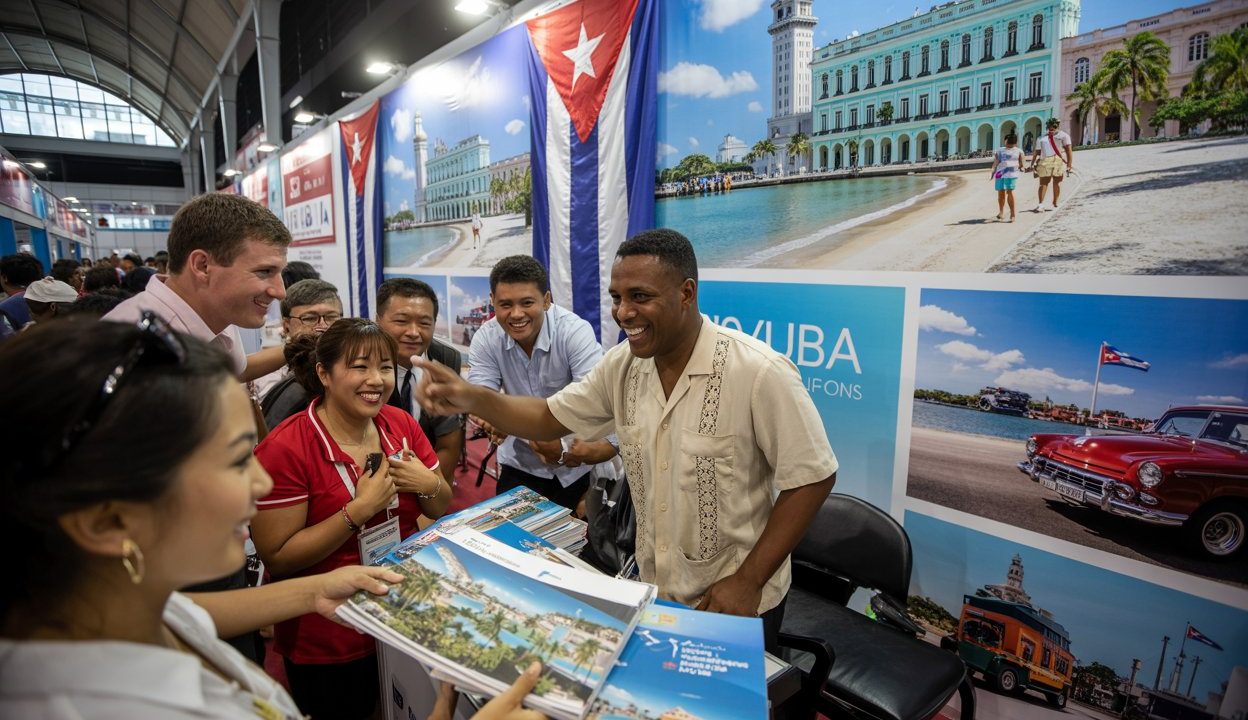
For the first time in history, Cuba stepped onto the floor of one of Southeast Asia’s most prominent travel events — and the message was clear: the Caribbean island is actively courting a new generation of Asian travelers.
Cuba made its debut appearance at the NATAS Travel Fair in Singapore, held at Singapore Expo. The event brought together thousands of travel professionals and potential tourists from across the region, giving Cuba a rare and significant platform to introduce its culture, coastlines, and historic landmarks to an audience that has had relatively little direct exposure to the destination.
The move signals a deliberate shift in Cuba’s global tourism strategy — one that looks east, toward a region where travel demand has been rising rapidly and where Cuba remains largely undiscovered.
Why Cuba Is Looking to Southeast Asia
Cuba has long been a bucket-list destination for travelers from Europe and Latin America, known for its vintage cars, colonial architecture, salsa rhythms, and some of the Caribbean’s most pristine beaches. But Southeast Asia represents something different — a largely untapped market with millions of increasingly affluent, internationally curious travelers.
The NATAS Travel Fair is one of Singapore’s most established consumer travel events, drawing large crowds of travel enthusiasts and industry insiders alike. For Cuba to choose this event as its regional debut suggests a calculated approach to building brand awareness in a part of the world where the destination has not traditionally invested in promotion.
The timing also matters. Southeast Asian outbound tourism has grown substantially in recent years, with travelers from Singapore, Malaysia, Indonesia, and beyond seeking out destinations that feel genuinely distinctive. Cuba — with its one-of-a-kind cultural identity, UNESCO-listed old city of Havana, and beaches like Varadero — fits that brief in ways few destinations can match.
What Cuba Brought to the Table at NATAS
At the Singapore Expo event, Cuba’s presence was focused on showcasing the breadth of what the destination offers. The highlights promoted to Southeast Asian audiences included:
- Rich cultural heritage — Cuba’s music, art, and architecture represent a unique fusion of Spanish colonial, African, and Caribbean influences that is genuinely unlike anywhere else in the world.
- Historic landmarks — Old Havana, a UNESCO World Heritage Site, is one of the best-preserved colonial city centers in the Americas, drawing visitors who want history they can walk through.
- Beaches — Cuba’s coastline stretches for thousands of kilometers, with destinations like Varadero and Cayo Coco offering clear turquoise waters and white sand in a setting that remains far less crowded than many comparable Caribbean alternatives.
- Unique travel experience — Cuba’s political and economic history has shaped it into a destination unlike any other — vintage American cars on the streets, live music in every corner, and a pace of life that feels genuinely removed from the modern world.
| Tourism Highlight | What It Offers | Appeal to Southeast Asian Travelers |
|---|---|---|
| Old Havana | UNESCO World Heritage colonial city | History, architecture, photography |
| Varadero Beach | White sand Caribbean coastline | Beach holidays, water activities |
| Cuban Culture | Music, dance, art, cuisine | Authentic, immersive experiences |
| Natural Landscapes | Rainforests, valleys, coastlines | Eco-tourism, adventure travel |
What This Debut Means for Southeast Asian Travelers
For travelers in Singapore and the broader Southeast Asian region, Cuba’s presence at NATAS is a practical signal that the destination is now actively trying to make itself accessible to them. That means more information, potentially more direct travel packages, and greater engagement from Cuban tourism authorities with regional tour operators.
For many Southeast Asians, Cuba has existed as a vague dream destination — somewhere they’ve seen in films or heard about from European friends. This kind of direct promotional push can change that, converting passive curiosity into actual bookings.
The event gave travel agents and tour operators in Singapore direct access to Cuban tourism representatives, which is the kind of relationship-building that typically precedes new flight routes, packaged itineraries, and competitive pricing entering the market. When a destination shows up at a trade fair like this, the downstream effect for consumers is usually more options and better deals within a year or two.
Cuba also benefits from being genuinely different. In a region where travelers have easy access to beaches across Thailand, Bali, and the Philippines, the Cuban pitch isn’t just about sand — it’s about a complete cultural world that feels frozen in a particular era in the most compelling possible way.
What Comes Next for Cuba’s Asian Tourism Push
The NATAS debut is a starting point, not a finish line. Cuba’s appearance in Singapore is widely seen as part of a broader effort to grow its international visitor numbers by reaching into markets that have not traditionally been core sources of tourism for the island.
Asia, and Southeast Asia in particular, represents a significant opportunity. The region’s growing middle class, appetite for long-haul travel, and interest in culturally distinctive destinations make it a natural fit for what Cuba offers. Whether this translates into sustained marketing campaigns, dedicated Asian-language travel resources, or partnerships with regional airlines and tour operators remains to be seen.
What is clear is that Cuba has made a deliberate choice to introduce itself to this part of the world — and the NATAS Travel Fair gave it the right room to do it.
Frequently Asked Questions
Was this really Cuba’s first time at the NATAS Travel Fair in Singapore?
Yes. According to confirmed reporting, this was Cuba’s first-ever appearance at the NATAS Travel Fair, making it a historic debut for the country at this event.
Where was the NATAS Travel Fair held?
The event was held at Singapore Expo.
What did Cuba showcase at the event?
Cuba highlighted its cultural heritage, historic landmarks, beaches, and overall tourism offerings to travel professionals and potential tourists from Southeast Asia.
Why is Cuba targeting Southeast Asian tourists?
Southeast Asia represents a region with rapidly growing travel demand, and Cuba is looking to expand its international tourism reach beyond its traditional European and Latin American visitor base.
Will this lead to new travel packages from Singapore to Cuba?
This has not yet been confirmed, but Cuba’s direct engagement with Southeast Asian travel professionals at NATAS is typically the kind of relationship-building that precedes new packaged itineraries entering the market.
What makes Cuba appealing to Southeast Asian travelers specifically?
Cuba offers a combination of UNESCO-listed colonial architecture, Caribbean beaches, and a unique cultural identity — a combination that stands apart from destinations already familiar to Southeast Asian tourists.




Leave a Reply