
▶ Read transcript
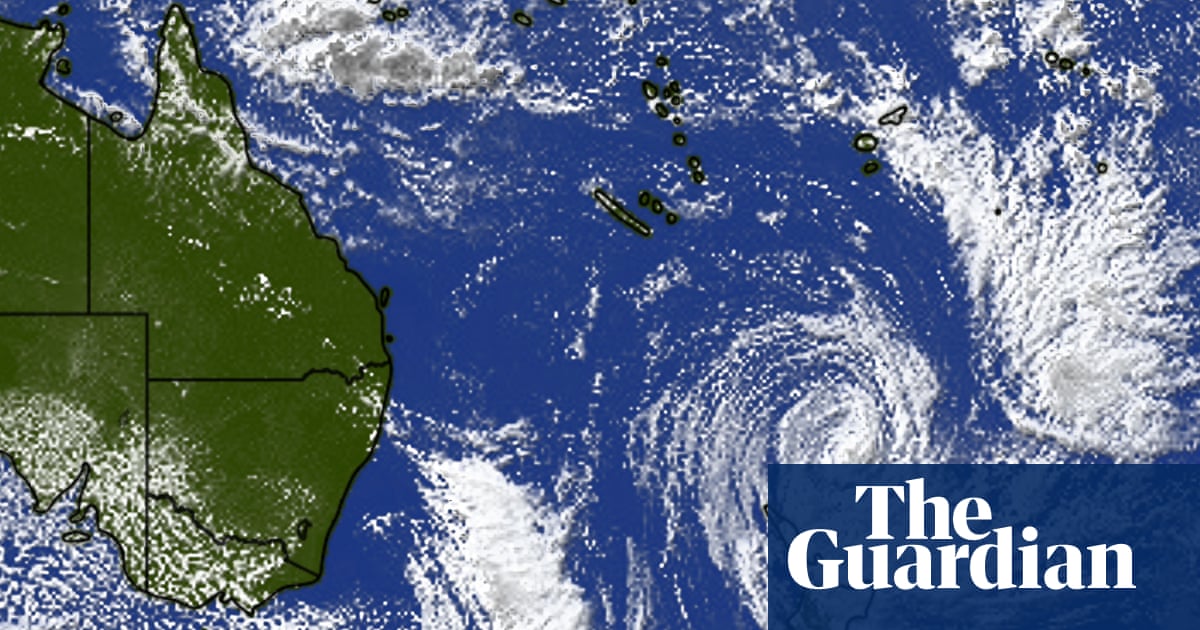
Here’s what you need to know about Cyclone Vaianu and the travel chaos sweeping New Zealand’s North Island.
First, the storm made landfall near the Maketu Peninsula on April 11, 2026, carrying destructive winds exceeding 130 kilometers per hour. MetService, New Zealand’s national weather authority, classified it as a life-threatening system — language they do not use lightly.
Second, thousands of residents across the North Island received evacuation orders, with flooding and power outages reported across multiple regions. This is the most serious cyclone threat the country has faced since Gabrielle in 2023, which killed eleven people.
Third, the travel disruption has been immediate and total. Regional flights into coastal hubs like Whakatāne and Rotorua have been cancelled en masse, and State Highway closures are multiplying as slips and flooding cut off road access.
If you have travel planned to New Zealand’s North Island right now, contact your airline and accommodation immediately and check MetService directly for real-time updates before making any decisions.
Sophie Marlowe had been planning the trip for eight months. Three nights in a beachside cottage near Whakatāne, a kayak tour of the Bay of Plenty coastline, and a long-overdue birthday dinner at a restaurant she had bookmarked since 2024. She arrived at Auckland Airport on the morning of April 11, 2026, rolling bag in hand, completely unaware that a cyclone was about to rewrite every single one of those plans.
The departure board still showed her connecting flight to Whakatāne as “On Time” when she grabbed a coffee at the terminal. By the time she finished it, the status had changed to “Cancelled.”
How Cyclone Vaianu Made Landfall Near the Maketu Peninsula on April 11
Cyclone Vaianu had been building for days as a subtropical low tracking toward New Zealand from the northwest. By the time it crossed the coastline near the Maketu Peninsula, the system was carrying destructive winds exceeding 130 kph (80 mph), heavy rain, and large swells that threatened coastal communities across the entire North Island.
New Zealand’s national weather provider MetService described Vaianu as a “life-threatening” system. That language is not used lightly in a country that still carries the emotional weight of Cyclone Gabrielle in 2023, which killed 11 people and displaced thousands in one of the worst natural disasters this century.
Thousands of New Zealanders received evacuation orders on Saturday as the storm bore down. Floods and power outages were reported across multiple regions. And for the hundreds of domestic and international tourists already mid-journey across the North Island, the disruption was immediate and total.
| Storm Detail | Cyclone Vaianu (2026) | Cyclone Gabrielle (2023) |
|---|---|---|
| Landfall Location | Maketu Peninsula, Bay of Plenty | Hawke’s Bay / East Coast |
| Wind Speed at Landfall | Exceeding 130 kph (80 mph) | Up to 130+ kph |
| Fatalities | Under assessment (April 2026) | 11 confirmed deaths |
| Evacuations Ordered | Thousands across North Island | Thousands displaced |
| MetService Classification | “Life-threatening” system | Category 3 equivalent |
The Cascade of Cancellations That Left Tourists Stranded at Auckland Airport
Sophie was not alone at the departures board. Around her, a small crowd had gathered, phones out, expressions shifting from confusion to concern. A family with two young children, their luggage tagged for Rotorua, spoke in hurried Mandarin. A couple in matching hiking gear stared at a screen showing seven consecutive Bay of Plenty flights blinking red.
Flight cancellations swept across regional routes as conditions on the North Island deteriorated. Smaller airports serving coastal tourism hubs, including Whakatāne and Rotorua, bore the brunt of the disruptions. Ground transport was no safer. State Highway closures multiplied through Saturday morning as slips and flooding cut off access to coastal roads.
Sophie spent four hours in the terminal. She reboooked twice through the airline’s app, each new flight cancelled before she could even screenshot the confirmation. The cottage she had prepaid, NZD $640 for three nights, sat empty somewhere south of Whakatāne. She had no way to reach it, no way to know if it was even still standing.
The tension in the terminal had a particular quality. This was not ordinary weather delay frustration. People were checking news feeds showing flood water rising in streets they were supposed to be walking. Some were trying to reach family members in evacuation zones. A man beside Sophie was on hold with Civil Defence for forty minutes straight.
“Vaianu has conjured up the painful memory of 2023’s Cyclone Gabrielle, which killed 11 and displaced thousands in one of New Zealand’s biggest natural disasters this century.”
— Reporting context on Cyclone Vaianu, April 2026
Coastal Communities Face Flooding and Power Outages as the Worst Arrives
By Saturday afternoon, ABC News reported floods and power outages spreading across North Island communities, with authorities warning the worst damage from Cyclone Vaianu was still to come. That detail, “the worst is yet to come,” rippled through social media feeds and sat heavily in the minds of everyone stranded mid-journey.
Coastal tourism operators who had spent months rebuilding visitor numbers after previous storm seasons were watching the storm from whichever inland location they had evacuated to. Kayak tour companies, surf schools, boat charter operators and beachside accommodation providers all faced the same brutal arithmetic: another season’s bookings, paused or cancelled in hours.
The storm’s path was particularly punishing for a region that draws significant tourism revenue from outdoor and coastal experiences. The Bay of Plenty, Coromandel Peninsula, and East Cape, three of the North Island’s most visited coastal destinations, all sat in or near the storm’s impact zone.
The Moment Sophie Decided to Stop Waiting for a Flight
The turning point came at around 3 p.m. on April 11. Sophie was sitting on the terminal floor, back against the wall, watching a livestream of Whakatāne streets filling with muddy water. The cottage she had booked showed up in the background of one shot, or something close enough to it that she felt her chest tighten.
She made a decision that felt obvious the moment she made it. She was not getting on a plane that day. Possibly not the next day either. She stopped refreshing the booking app. She called the only Auckland contact she had, a former university colleague who lived in Grey Lynn, and asked if she could sleep on a couch. The answer was yes.
The NZD $640 for the cottage was gone. The kayak tour deposit, NZD $180, was gone too. The birthday dinner reservation she had held since February had already sent an auto-cancellation notice. Total out-of-pocket losses before her trip had really started: roughly NZD $900. She had travel insurance, but she had not read the fine print on weather cancellations in years, and this was not the moment to find out what it covered.
What Vaianu Exposed About Coastal Tourism’s Vulnerability on the North Island
Sophie eventually made it to Whakatāne four days later, on April 15. The cottage was intact, slightly damp, with a fence panel missing and a driveway buried under several centimetres of silt. The kayak company had suspended tours indefinitely. The birthday restaurant was open but operating on a reduced menu because two of its suppliers were still dealing with flood damage.
She stayed for two nights instead of three. She walked the beach at low tide, past debris lines and collapsed dune sections. The Bay of Plenty was still beautiful in the particular way that coastlines are beautiful after violence: scoured, honest, and somehow more present.
The NZD $900 she lost did not come back. Her travel insurance covered the flight rebooking fee of NZD $85 and nothing else. She had not purchased the “natural disaster” rider. She filed the claim anyway, and it was declined in six days.
What stayed with her was not the money. It was the hour in the terminal, watching flood water on a livestream, and realising that she had built an entire trip around the assumption that the coast would simply be there, unchanged, waiting. Cyclone Vaianu reminded her, and tens of thousands of others, that New Zealand’s coastal North Island is one of the most geographically alive places on earth. The land moves. The sea moves. The storms arrive on their own schedule, indifferent to bookings.
The question of whether she would go back was easy. Of course she would. The harder question, the one she kept returning to on the flight home, was whether she had really understood what kind of place she was visiting before the wind answered it for her.
Frequently Asked Questions

You Might Also Like
Bulgaria’s Tourism Boom: Revolution or Overhyped Partnership?
Bulgaria's tourism is surging as Poland, Romania, Turkey, Germany, Greece, and more forge strategic partnerships.…

India’s Bengaluru-Mumbai Vande Bharat Sleeper Train Is Approved — But Not What You Think
The Bengaluru-Mumbai Vande Bharat Sleeper train is officially approved. Here's what travelers get wrong about…

IHG Mexico Expansion Is Quietly Reshaping Luxury Travel in 2026
Mexico is becoming one of the most compelling destinations for both leisure and business travel…
Leave a Reply