
▶ Read transcript
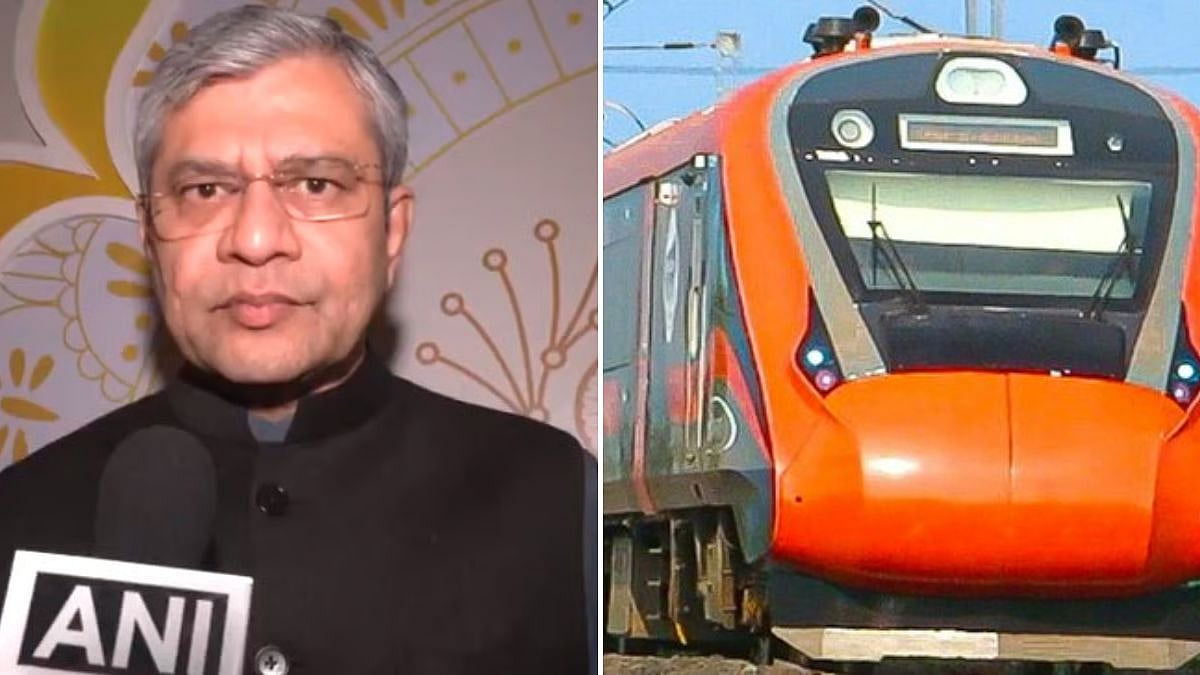
Here’s what you need to know about India’s new Vande Bharat Sleeper train between Bengaluru and Mumbai. The Railway Ministry officially approved the service in April 2026, with a targeted launch window of May 2026, though no confirmed start date has been announced yet. This isn’t your typical overnight train. The Vande Bharat Sleeper features modern stainless steel construction, zone-controlled air conditioning, wider berths, and individual charging points — a genuine upgrade over the aging coaches most Indian rail passengers are used to. The projected travel time between the two cities is around 15 hours, compared to the 17 to 20 hours current overnight services typically take. That’s a meaningful difference, especially for business travelers who want to skip the airport and arrive ready to work. If you’re planning to book this route, keep an eye on official Indian Railways announcements rather than locking in travel plans around May — treat that date as a target, not a guarantee.
As of April 2026, a window is opening in Indian rail travel that millions of passengers between Bengaluru and Mumbai have been waiting years for. The Railway Ministry has officially approved a Vande Bharat Sleeper train on this high-demand corridor, and early reports suggest a May 2026 launch is being targeted. The clock is ticking, and travelers who assume they understand what this service offers may be in for a surprise.
This is not just another train. It is a signal that India’s long-distance rail experience is being fundamentally redesigned. But the story behind the approval is more layered than a single headline can hold.
What Most Travelers Assume About Overnight Rail in India
Ask anyone who has taken an overnight train between Bengaluru and Mumbai, and they will describe a predictable experience. Cramped berths. Erratic schedules. Aging coaches that smell of decades of use. The assumption baked into most travelers’ minds is that long-distance rail in India is a budget necessity, not a genuine travel choice.
This belief runs deep. Millions of passengers on this corridor choose to fly, paying premium airfares, simply to avoid the overnight train experience. The Bengaluru-Mumbai air route is one of the busiest in Asia. The assumption is logical: if you can afford it, you fly. Rail is for everyone else.
Even among rail enthusiasts, the assumption holds that “Vande Bharat” means a fast day train. The original Vande Bharat Express services launched as chair-car, semi-high-speed trains designed for shorter intercity corridors. The idea of a Vande Bharat with sleeping berths, operating overnight across 1,000-plus kilometers, feels like a different category entirely.
The Crack in the Conventional Rail Wisdom
Here is where the assumption starts to fracture. Indian Railways has been quietly rolling out Vande Bharat Sleeper technology for months. The first Vande Bharat Sleeper inauguration took place in January 2026 at Malda Town, West Bengal, operating between Kamakhya and Howrah Junction.
That launch was a proof of concept. It demonstrated that the sleeper variant of the Vande Bharat platform could handle overnight operations with the kind of passenger comfort that the older Rajdhani and Duronto services never fully delivered. The response was significant enough that the Railway Ministry accelerated approvals for new routes.
The Bengaluru-Mumbai corridor was always on that list. It is one of India’s most economically vital rail connections, linking two of the country’s largest commercial cities. Approving a premium sleeper service here is not a small decision. It is a statement about where Indian Railways sees the future of long-distance travel.
Why the Old Overnight Train Model Is Already Obsolete
The evidence against the “rail is a budget fallback” assumption is accumulating fast. The Vande Bharat Sleeper is engineered on an entirely different platform than the coaches most Indians associate with overnight rail. It uses stainless steel body construction with improved aerodynamics, modern suspension systems, and sealed gangways that dramatically reduce noise and vibration during travel.
The sleeping berths in the Vande Bharat Sleeper are wider and longer than standard sleeper coaches. Air conditioning is more precisely controlled, with individual zone management rather than the blunt whole-coach systems in older trains. Reading lights, charging points, and privacy curtains are standard across berth classes.
| Feature | Traditional Sleeper Express | Vande Bharat Sleeper |
|---|---|---|
| Coach Construction | Aging ICF/LHB design | Modern stainless steel platform |
| Air Conditioning | Whole-coach system | Zone-controlled precision cooling |
| Berth Width | Standard narrow | Wider, longer design |
| Charging Points | Limited, shared | Individual per berth |
| Noise Reduction | Minimal | Sealed gangways, improved suspension |
| Travel Time (BLR-MUM) | 17-20 hours typical | Approximately 15 hours projected |
The speed difference matters too. Current overnight trains between Bengaluru and Mumbai typically take between 17 and 20 hours depending on the service. The Vande Bharat Sleeper is projected to cover the route in approximately 15 hours. That is not a marginal improvement. It is the difference between arriving rested and arriving exhausted.
For business travelers, this changes the calculus entirely. A 15-hour overnight journey that departs late evening and arrives early morning means you skip the airport, avoid a hotel night, and wake up in the destination city ready to work. The economics start to compete directly with budget airline tickets when you factor in the time and cost of airport transfers.
The Real Picture: Approval Without a Fixed Launch Date
Here is the truth that the approval headlines obscure. The Railway Ministry has given the green light, but as of April 2026, the official launch date, intermediate station stops, and full schedule have not been formally announced. Sources cited by the Times of India confirmed that the complete schedule would be released soon, but “soon” in railway planning timelines can stretch.
The Free Press Journal reported that services are expected to begin in May 2026. That timeline is plausible given the approval came in mid-April 2026. However, travelers planning trips around this service should treat May as a target, not a guarantee.
“The Centre has approved a Vande Bharat Sleeper train between Mumbai and Bengaluru, expected to begin in May. The service will offer faster and more comfortable travel between the two cities.”
— Free Press Journal, April 2026
The intermediate stops along the route are also unconfirmed. The Bengaluru-Mumbai corridor passes through several significant cities including Pune, which would be a natural stop given its population and economic activity. Whether the service will be a limited-stop express or include additional halts will significantly affect travel times and ticket pricing.
What the Bengaluru-Mumbai Approval Means for Long-Distance Travel in India
This approval is not an isolated event. It fits into a broader pattern of Indian Railways repositioning premium overnight rail as a genuine competitor to domestic aviation. The Vande Bharat Sleeper platform, once proven on the Kamakhya-Howrah route, is being scaled to the country’s most commercially important corridors.
For travelers between Bengaluru and Mumbai, the practical implications are immediate. First, monitor the Indian Railways official website and IRCTC for the formal schedule announcement. Tatkal and advance booking windows will open once the launch date is confirmed, and popular berth classes on a high-demand route like this will fill quickly.
Second, reconsider the automatic assumption that flying is always faster. A direct overnight train that handles the journey while you sleep eliminates airport check-in time, security queues, and the cost of ground transfers. For the Bengaluru-Mumbai distance, the total door-to-door comparison with budget airlines may be closer than most travelers expect.
Third, watch for pricing. The Vande Bharat Sleeper will offer multiple berth classes, likely including AC 3-tier, AC 2-tier, and possibly a first-class option. Pricing will determine whether this service genuinely disrupts the aviation market or remains a premium niche.
The deeper shift here is cultural. India’s middle class has been conditioned to see rail as something you endure rather than enjoy. The Vande Bharat Sleeper is a deliberate attempt to break that conditioning on the country’s most visible routes. Whether it succeeds will depend not just on the hardware, but on whether the service reliability, punctuality, and onboard experience match the promise of the approval.
A train that is approved in April and launched in May is only a revolution if it runs on time in June, July, and beyond. That is the test no press release can answer in advance.
Frequently Asked Questions

You Might Also Like

Japan’s New Lodging Tax Hits 20 Prefectures — What Travelers Must Know
Japan's new lodging tax launched April 1, 2026 across 20 prefectures including Hokkaido. Here's what…

Inside Palina River: Philippines’ 74-Hectare ASEAN Eco-Sanctuary
Palina River in Roxas City holds 21 mangrove species across 74 hectares. Here's what one…

Cyclone Narelle Is Forcing Evacuations Tourists Were Not Prepared For
Rainfall totals have already surpassed 100mm across parts of the Northern Territory — and forecasters…
Leave a Reply