
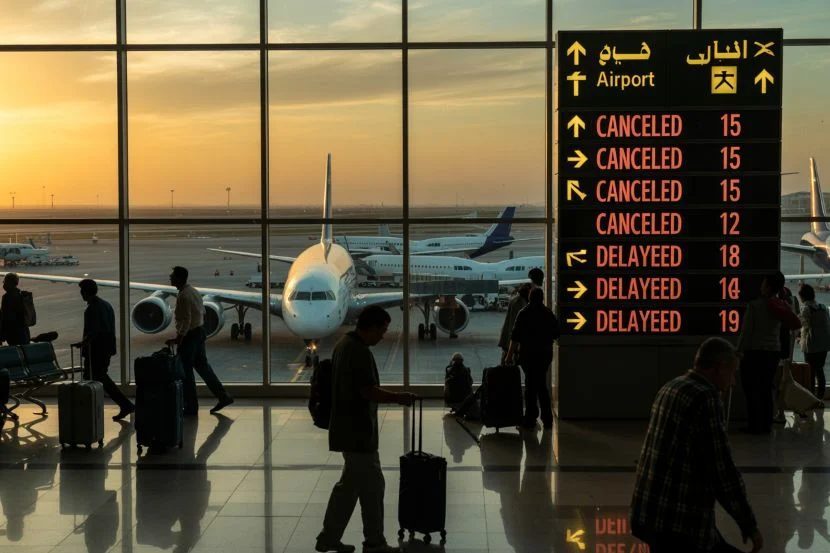
One of the world’s most strategically critical waterways is under pressure — and the ripple effects are being felt far beyond oil markets. The Strait of Hormuz, through which a significant share of global oil exports flows, has become a flashpoint for escalating tensions involving Iran, the United States, and Israel. Non-Iranian ships have faced severe disruptions passing through this vital maritime corridor, raising urgent questions about regional stability, global energy security, and the future of travel across the Gulf.
For travelers, tour operators, and airlines with routes across the Middle East, this is no longer a distant geopolitical story. The security uncertainty surrounding the Strait of Hormuz is actively reshaping how the region is perceived — and visited.
At the same time, diplomatic efforts are quietly gaining momentum. Germany and Turkey have both signaled support for international cooperation to stabilize the area, with German Foreign Minister Johann Wadephul publicly emphasizing that diplomatic dialogue remains the only viable path forward. Whether those efforts succeed could determine the region’s tourism outlook for months to come.
What Is Happening in the Strait of Hormuz
The Strait of Hormuz sits between Iran and the Arabian Peninsula, connecting the Persian Gulf to the Gulf of Oman and the broader Arabian Sea. It is one of the most consequential chokepoints on the planet for global oil trade. When tensions rise there, the consequences spread quickly — to energy prices, shipping routes, and the confidence of anyone planning to travel through or near the region.
According to This has not only threatened the flow of Middle Eastern oil exports but has also created a climate of security uncertainty that directly affects regional travel and tourism.
The disruptions are not merely hypothetical risks. When a major maritime route becomes unstable, airlines reassess flight paths, cruise operators reroute ships, and travelers reconsider itineraries. The Gulf region — which includes destinations that have invested heavily in tourism infrastructure — stands to feel that hesitation acutely.
The Diplomatic Push: Germany, Turkey, and the Case for Dialogue
Against this backdrop of maritime tension, two significant diplomatic voices have emerged. Germany and Turkey are both calling for international cooperation to bring stability back to the region.
German Foreign Minister Johann Wadephul has been direct in his position: diplomatic dialogue is the only viable solution to the crisis. That framing matters. It signals that at least some major European powers see a negotiated path forward rather than an escalatory one — a distinction that carries real weight for the travel and tourism sector, which depends on predictable, stable conditions to function.
Turkey’s involvement adds another layer. As a country that bridges Europe and the Middle East geographically and diplomatically, Turkey’s push for regional cooperation reflects a broader interest in keeping Gulf trade and travel routes open and functional.
Whether these diplomatic conversations translate into concrete de-escalation remains to be seen. But the fact that they are happening at all is being watched closely by the travel industry.
How the Tensions Are Affecting Gulf Travel and Tourism
The Gulf region has spent years building itself into a global tourism destination. The security uncertainty created by the Strait of Hormuz situation threatens to undercut that investment in several ways:
- Maritime travel disruptions: Non-Iranian ships have faced severe passage problems, affecting cruise routes and cargo shipping alike.
- Traveler confidence: Geopolitical instability — even when confined to a specific area — tends to suppress broader regional tourism as travelers opt for safer or more predictable destinations.
- Oil price pressure: Disruptions to oil exports through the strait can drive up energy costs, which eventually feed into airfare and travel costs across the board.
- Airline and operator caution: Carriers and tour operators often issue advisories or reroute services when regional tensions reach a certain threshold, adding cost and complexity to Gulf travel.
| Factor | Status | Impact on Tourism |
|---|---|---|
| Strait of Hormuz passage | Severely disrupted for non-Iranian ships | High — affects maritime and cruise travel |
| Regional security environment | Uncertain, ongoing tensions | High — suppresses traveler confidence |
| Diplomatic efforts (Germany, Turkey) | Active, dialogue-focused | Potentially stabilizing if successful |
| Global oil flow | Jeopardized by current tensions | Medium — affects travel costs indirectly |
What Travelers Should Know Right Now
If you have plans to travel to or through the Gulf region, the situation warrants close attention — but it does not necessarily mean cancellation. The picture is complicated and evolving.
Diplomatic channels are open and active. Germany and Turkey are engaged in dialogue, and there is a stated international interest in resolving the crisis through negotiation rather than confrontation. That is a meaningfully different environment than one where all diplomatic options have been exhausted.
That said, the security uncertainty is real and documented. Travelers with itineraries that include maritime routes through or near the Strait of Hormuz should monitor official travel advisories from their home governments closely. Those flying into Gulf destinations should check with airlines for any route changes or updated guidance.
Observers note that resolving the tensions in the Strait of Hormuz could have significant positive implications for regional tourism — suggesting the industry sees a viable path back to stability, even if the timeline is unclear.
What Happens Next Depends on Diplomacy
The most honest assessment of where this goes is that it hinges on whether diplomatic efforts gain traction. German Foreign Minister Johann Wadephul’s position — that dialogue is the only viable solution — reflects a school of thought that sees military or confrontational responses as counterproductive to the region’s long-term stability.
If Germany, Turkey, and other international partners can help broker even a partial de-escalation, the tourism sector could begin recovering relatively quickly. The Gulf has proven resilient before, and the infrastructure for welcoming international visitors remains in place.
If tensions persist or worsen, the impact on travel — already significant — could deepen further, with longer-term consequences for regional economies that have made tourism a central pillar of their growth strategies.
The coming weeks of diplomatic activity will likely determine which direction things move.
Frequently Asked Questions
What is the Strait of Hormuz and why does it matter for travel?
The Strait of Hormuz is a critical maritime chokepoint connecting the Persian Gulf to the Arabian Sea, vital for Middle Eastern oil exports. Disruptions there affect energy prices, shipping routes, and traveler confidence across the Gulf region.
Which ships have been affected by the current tensions?
According to available reporting, non-Iranian ships have faced severe disruptions in their passage through the Strait of Hormuz as Iran has retaliated to tensions involving the United States and Israel.
What role is Germany playing in this situation?
German Foreign Minister Johann Wadephul has emphasized that diplomatic dialogue is the only viable solution to the crisis, with Germany joining calls for international cooperation to stabilize the region.
Is Turkey involved in the diplomatic efforts?
Yes. Turkey is among the nations calling for international cooperation to stabilize the area, reflecting its geographic and diplomatic position bridging Europe and the Middle East.
Should travelers cancel trips to the Gulf region?
This has not been confirmed as a blanket recommendation in Travelers are advised to monitor official government travel advisories closely and check with airlines and tour operators for updated guidance.
Could the situation improve for tourism if diplomacy succeeds?
Yes — observers note that resolving the tensions in the Strait of Hormuz could have significant positive implications for regional travel and tourism, though the timeline for any resolution remains unclear.

Leave a Reply