
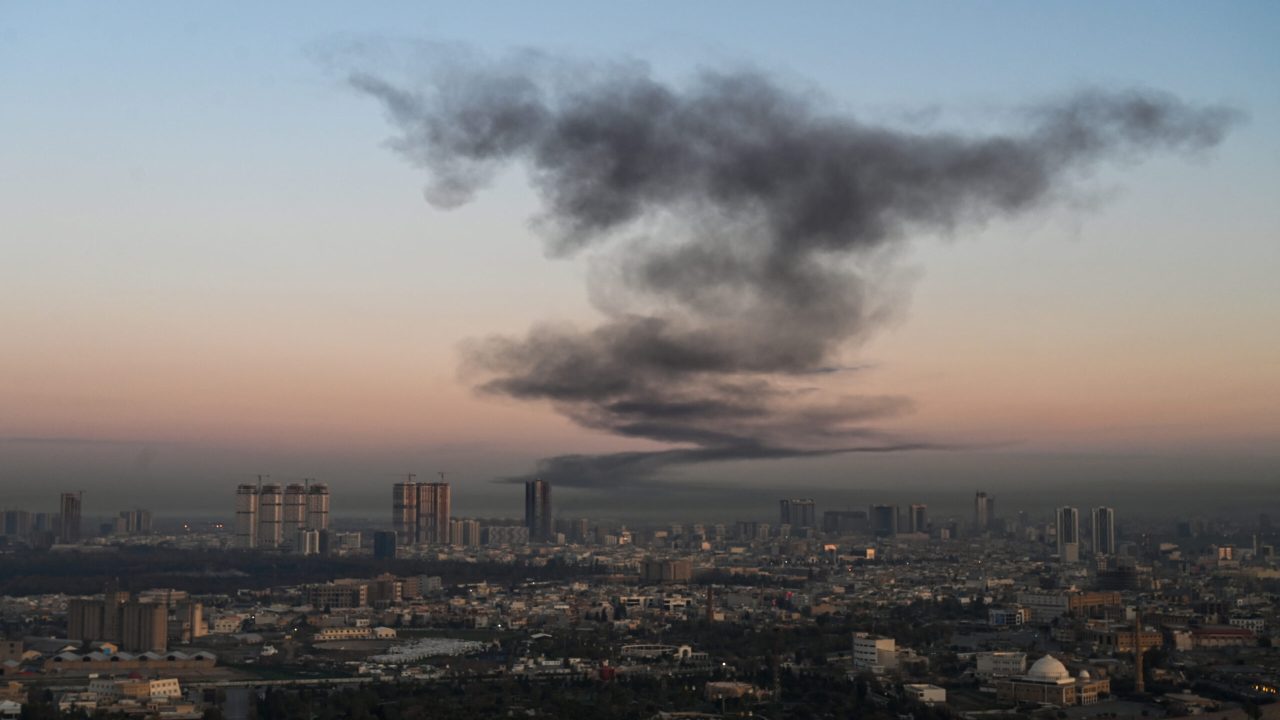
Escalating military tensions between the United States and Iran have sent shockwaves through global aviation, triggering a cascade of flight cancellations, route suspensions, and airport disruptions across some of the world’s busiest travel hubs. The Middle East — home to major connecting airports that funnel hundreds of millions of passengers annually — sits at the center of the storm.
The affected cities read like a roll call of the region’s most critical aviation nodes: Dubai, Abu Dhabi, Doha, Riyadh, Tel Aviv, and Beirut are all experiencing significant disruptions as airlines scramble to reroute flights or ground them entirely. For travelers with plans in the region — or connections passing through it — the situation is fluid and, in many cases, deeply uncertain.
What makes this crisis particularly far-reaching is how interconnected Middle Eastern airports are with the rest of the world. A disruption in Dubai or Doha doesn’t just affect passengers heading to those cities — it ripples outward to flights connecting Europe, Asia, Africa, and beyond.
How the U.S.-Iran Conflict Is Reshaping Middle East Aviation
The conflict between the United States and Iran has escalated into what aviation observers are describing as a full-blown crisis for international air travel. Military actions and heightened threat levels have forced airlines to reassess the safety of routes that pass through or near Iranian airspace — a corridor that sits beneath some of the most heavily trafficked flight paths on the planet.
When airlines avoid Iranian airspace, the consequences are immediate: longer flight paths, higher fuel costs, and in some cases, routes that simply become unworkable. That pressure, combined with direct threats to airports in conflict-adjacent zones, has pushed carriers to suspend or cancel services outright rather than operate under unacceptable risk.
The disruptions are not limited to one or two carriers. The groundings and cancellations are spreading across multiple international airlines, affecting routes that millions of passengers rely on every week for business travel, tourism, and family visits.
Which Cities and Airports Are Most Affected
The geographic spread of the disruptions covers virtually every major aviation hub in the Middle East and parts of the eastern Mediterranean. Here is a breakdown of the cities currently experiencing the most significant impact:
- Dubai, UAE — One of the world’s busiest airports, facing route suspensions and altered schedules as airlines reassess regional safety.
- Abu Dhabi, UAE — The UAE’s second major hub is similarly affected, with carriers adjusting or canceling services.
- Doha, Qatar — Home to one of the Gulf’s most important connecting airports, experiencing disruptions that affect long-haul transit passengers.
- Riyadh, Saudi Arabia — The Saudi capital’s airport is caught in the broader regional chaos as tensions elevate risk assessments.
- Tel Aviv, Israel — Already a sensitive destination given the region’s ongoing instability, Tel Aviv is seeing further cancellations tied to the current conflict.
- Beirut, Lebanon — Beirut’s airport, historically vulnerable during regional flare-ups, is again facing service suspensions.
| City | Country | Disruption Type |
|---|---|---|
| Dubai | UAE | Route suspensions, schedule changes |
| Abu Dhabi | UAE | Service cancellations, altered routes |
| Doha | Qatar | Transit disruptions, route adjustments |
| Riyadh | Saudi Arabia | Flight cancellations, elevated risk status |
| Tel Aviv | Israel | Ongoing cancellations, suspended services |
| Beirut | Lebanon | Service suspensions, airport disruptions |
What This Means for Travelers Right Now
If you have a flight booked to, from, or through any of these cities in the coming weeks, you need to act — not wait. Airlines are updating their policies rapidly, and many are offering rebooking or refund options for affected routes. Check directly with your carrier rather than relying on third-party booking platforms for the most current information.
Travelers with connecting flights through Dubai or Doha face a particular challenge. Even if your final destination isn’t in the Middle East, a canceled or delayed connection through one of these hubs can strand you far from home. Anyone with layovers in the region should have a contingency plan ready.
Travel insurance is now a critical consideration. Policies that cover “travel disruption due to conflict” or “government travel advisories” may provide some protection — but coverage varies enormously. Read the fine print before assuming you’re covered, and contact your insurer directly if your itinerary includes any of the affected cities.
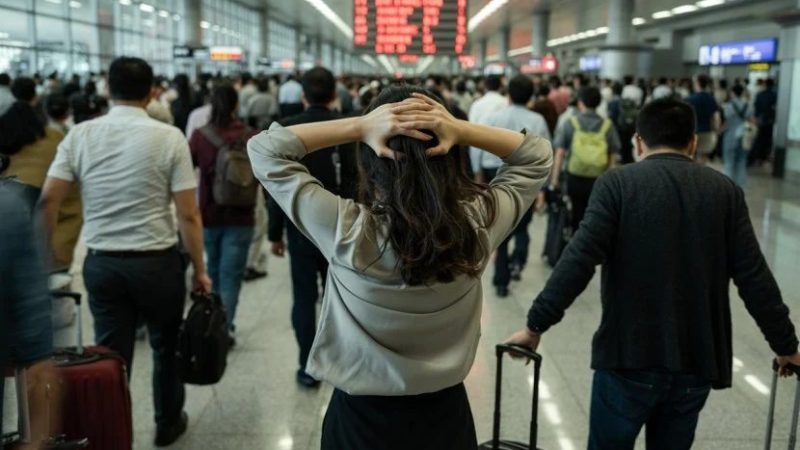
Beyond the logistics, there’s a real human cost here. Families separated by canceled flights, workers stranded abroad, and tourists left in limbo are all living the consequences of a geopolitical conflict that most of them had no part in shaping.
What Happens Next for Regional Aviation
The trajectory of these disruptions depends almost entirely on how the military and diplomatic situation between the United States and Iran develops. If tensions de-escalate, airlines could restore services relatively quickly — carriers have shown in past regional crises that they can resume routes within days once safety assessments improve.
However, if the conflict deepens or spreads, the disruptions could extend well beyond the current wave of cancellations. Aviation authorities in multiple countries are monitoring the situation closely, and additional airspace closures remain a real possibility.
Airlines operating in the region are expected to continue issuing updated travel advisories as conditions evolve. Passengers should monitor official airline communications and relevant government travel advisories for their country of departure, as formal warnings can trigger additional cancellations even beyond what airlines have already announced.
For the broader aviation industry, this crisis is a stark reminder of how exposed global air travel remains to geopolitical shocks — particularly in a region as strategically central to international routing as the Middle East.
Frequently Asked Questions
Which airports are most affected by the U.S.-Iran conflict disruptions?
The most significantly affected airports include those in Dubai, Abu Dhabi, Doha, Riyadh, Tel Aviv, and Beirut, all of which are experiencing cancellations or route suspensions.
Are airlines offering refunds for canceled Middle East flights?
Many airlines are updating their policies to offer rebooking or refund options for affected routes — travelers should contact their carrier directly for the most current information.
Does travel insurance cover flight cancellations caused by the conflict?
Coverage depends on your specific policy; policies that include conflict-related travel disruption or government advisory clauses may apply, but you should contact your insurer directly to confirm.
Will connecting flights through Dubai or Doha be affected even if my destination isn’t in the Middle East?
Yes — travelers with layovers in affected Gulf hubs face disruption risk even if their final destination is outside the region, and alternative routing contingencies are strongly advised.
How long are the disruptions expected to last?
The duration depends on how the U.S.-Iran conflict evolves; airlines could restore services quickly if tensions ease, but further escalation could extend cancellations significantly beyond current levels.
Where should travelers check for the latest flight status updates?
Travelers should monitor official communications from their airline and check relevant government travel advisories issued by their country of departure for the most accurate and timely guidance.


Leave a Reply