
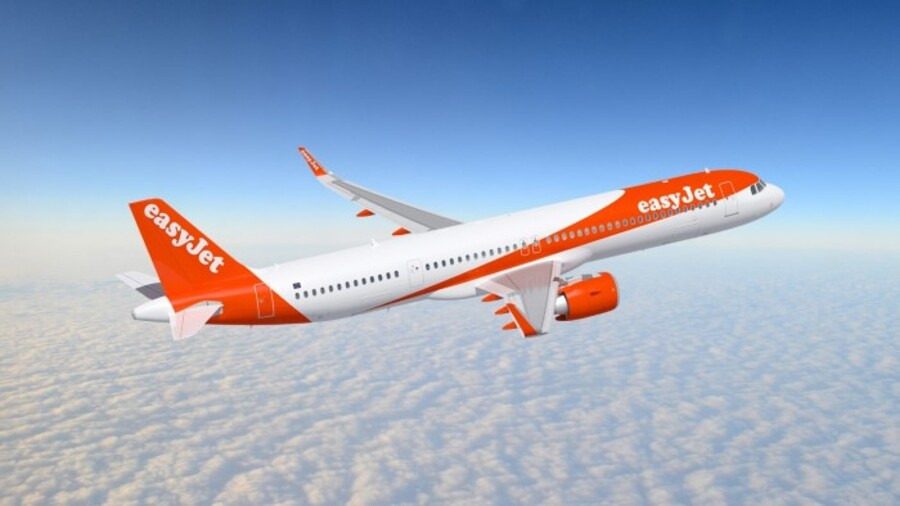
If you’re planning a summer holiday in Europe and haven’t booked your flights yet, the window to lock in affordable fares may be closing faster than expected. EasyJet has issued an urgent travel advisory to British holidaymakers, warning that jet fuel prices are set to rise sharply — and that those price increases will almost certainly be passed on to passengers before the summer 2026 season peaks.
The trigger is the ongoing conflict in Iran, which has sent shockwaves through global energy markets and driven up the cost of aviation fuel. For an airline that operates hundreds of short-haul routes across Europe, that kind of cost pressure has direct consequences for the price of your ticket.
What makes this warning particularly urgent is the timing. EasyJet’s fuel hedging strategy — a financial arrangement that shields the airline from short-term fuel price swings — is set to expire by the end of summer. Once that protection runs out, the airline will be fully exposed to whatever the market is doing. And right now, the market is not doing well.
Why the Iran Crisis Is Hitting Airline Tickets
The connection between geopolitical conflict and the price of your holiday flight is more direct than most people realise. Jet fuel is a derivative of crude oil, and crude oil prices are acutely sensitive to instability in the Middle East — one of the world’s most significant oil-producing regions.
The ongoing tensions surrounding Iran have caused fuel prices to spike in ways that ripple across the entire aviation industry. Airlines don’t absorb those costs quietly. They build them into fares, adjust routes, and — when their hedging contracts expire — pass the full burden to passengers.
EasyJet’s advisory is essentially a heads-up: book now while the airline’s existing fuel contracts are still holding prices in check. Once those contracts expire at the end of summer, fares are expected to climb. The advisory specifically calls out popular European destinations as areas where increases are most likely to be felt.
What the Advisory Actually Says — Key Facts at a Glance
The core details from easyJet’s travel advisory are worth understanding clearly before you make any booking decisions. Here’s what is confirmed:
- EasyJet has issued a formal travel advisory directed at British holidaymakers
- Rising jet fuel costs are linked directly to the conflict in Iran and broader Middle East tensions
- The airline’s current fuel hedging strategy expires at the end of summer 2026
- Significant fare increases are expected once that hedging protection runs out
- European holiday destinations are highlighted as particularly affected routes
- The advisory urges travellers to book early to avoid the coming price hikes
- This is not an easyJet-specific problem — the whole aviation industry is facing the same pressure
| Factor | Current Status | Expected Change |
|---|---|---|
| Jet fuel prices | Spiking due to Iran conflict | Further increases anticipated |
| EasyJet hedging strategy | Active and providing price protection | Expires end of summer 2026 |
| Flight fares to Europe | Currently pre-hike levels | Significant increases expected post-summer |
| Industry-wide impact | Affecting all major airlines | Broader fare increases across aviation sector |
| Holiday booking patterns | Disrupted by geopolitical uncertainty | Continued disruption expected |
Who Gets Hit Hardest — and What It Means for Your Summer Plans
British travellers planning summer breaks to European destinations are the most directly targeted audience in easyJet’s advisory. The airline operates extensively across popular short-haul routes — think Spain, Greece, Italy, Portugal, and similar destinations that have become staples of the British summer holiday.
For families who leave flight bookings until late spring or early summer, the timing of this advisory is a genuine warning. By the time many people get around to booking, easyJet’s hedging protection may already be unwinding — meaning fares could look noticeably different compared to what early bookers paid.
The impact extends beyond just easyJet customers. The advisory notes that this is part of a broader trend affecting the entire aviation industry. Budget airlines, full-service carriers, and charter operators are all dealing with the same underlying fuel cost pressures. That means comparison shopping between airlines may offer less relief than usual, since the cost driver is industry-wide rather than specific to one carrier.
For travellers on tighter budgets, the message is particularly pointed. Cheap European flights have long been a cornerstone of affordable British holidays. If fuel costs remain elevated and hedging contracts across the industry expire without relief, that era of reliably low fares could face a meaningful disruption — at least for the near term.
What Happens Between Now and the End of Summer
The near-term timeline is relatively clear based on what easyJet has communicated. Right now, the airline’s hedging contracts are still in place, which means current fares reflect a degree of insulation from the full spike in jet fuel costs. That window is the one the airline is urging travellers to use.
As summer 2026 progresses and the hedging strategy approaches its expiry, fares are expected to begin reflecting the true market cost of fuel. The conflict in Iran shows no sign of immediate resolution, and global fuel markets remain volatile. Without a significant easing of Middle East tensions, there is little reason to expect fuel prices to drop before the hedging runs out.
The broader question — how long elevated fares might persist — depends largely on how the situation in Iran develops. If tensions ease and crude oil prices stabilise, airlines across the industry may find relief. If the conflict deepens or spreads, the disruption to fuel markets and holiday pricing could extend well beyond summer 2026.
For now, the practical advice from easyJet is straightforward: if you know where you want to go this summer, booking sooner rather than later is likely to save you money.
Frequently Asked Questions
Why is easyJet warning passengers about price increases now?
EasyJet’s current fuel hedging strategy — which protects it from the full impact of rising jet fuel costs — is set to expire by the end of summer 2026, prompting the airline to urge early bookings before fares rise.
How is the Iran conflict connected to flight prices?
Jet fuel is derived from crude oil, and crude oil prices spike during Middle East instability. The ongoing conflict in Iran has driven fuel costs higher across the entire aviation industry.
Which routes are most likely to see price increases?
EasyJet’s advisory specifically highlights popular European destinations as the routes where significant fare increases are expected.
Is this problem unique to easyJet?
No — the advisory explicitly notes that rising fuel costs are affecting the entire aviation industry, not just easyJet, meaning travellers may face higher fares across multiple airlines.
When exactly does easyJet’s hedging protection run out?
The hedging strategy is described as expiring by the end of summer 2026, though a precise date has not been confirmed in the advisory.
What should travellers do right now?
EasyJet’s advisory urges British holidaymakers to book their summer flights as soon as possible to lock in fares before the anticipated price increases take effect.




Leave a Reply