
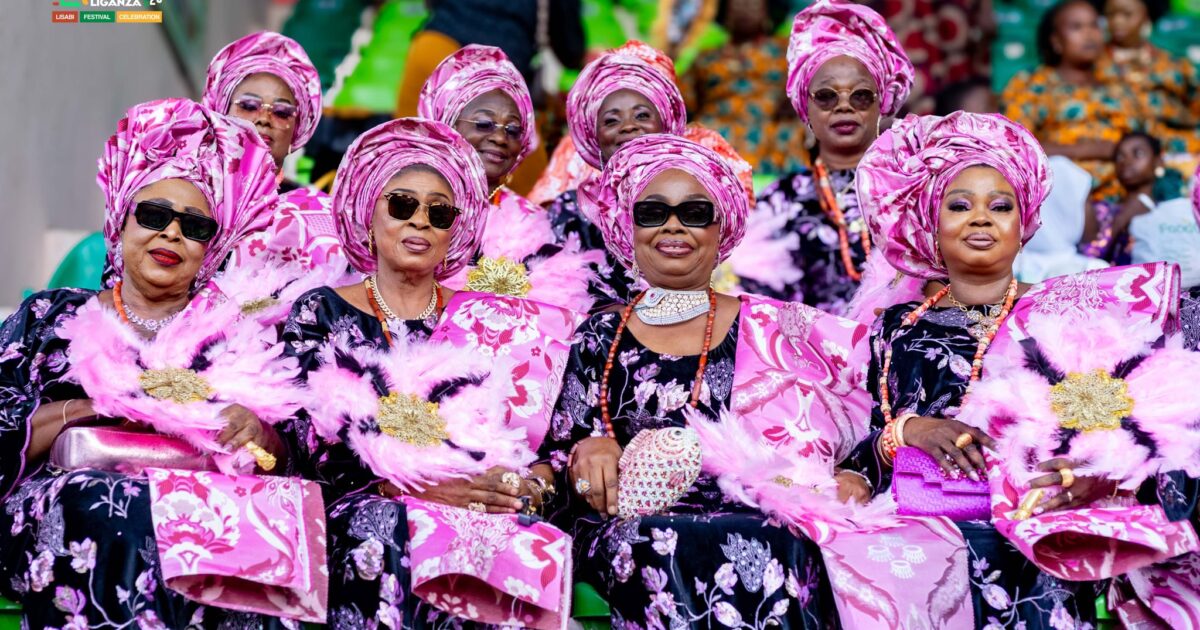
For 39 years, the Egba people of Abeokuta have gathered to honor a warrior whose name became synonymous with resistance, pride, and cultural survival. The grand finale of the 39th Lisabi Festival brought that tradition to life once again — drawing Egba sons and daughters, dignitaries, and visitors from across Nigeria to Abeokuta, Ogun State, for a celebration that was, by all accounts, anything but ordinary.
The festival, one of the oldest and most respected cultural celebrations in Nigeria, closed out its latest edition with vibrant displays of traditional dance, live music performances, and historical reenactments that connected the present generation to centuries of Egba history. The atmosphere in Abeokuta was one of collective pride — a community choosing, deliberately and joyfully, to remember where it came from.
What makes this year’s grand finale particularly significant is the milestone it represents. Thirty-nine editions of any cultural festival is a remarkable achievement, and the Egba people have made clear that the Lisabi Festival is far more than an annual event — it is a living institution.
Who Was Lisabi — and Why the Egba People Still Honor Him
The Lisabi Festival takes its name from Lisabi, a legendary warrior who holds a revered place in Egba history and identity. He is remembered as a symbol of the Egba people’s resilience — a figure whose story speaks to themes of resistance and collective strength that still resonate today.
For the Egba community, honoring Lisabi is not simply a matter of nostalgia. It is an act of cultural affirmation. Each year’s festival serves as a reminder that the Egba people’s identity is rooted in a history worth celebrating and preserving — and that the generations who carry that history forward have a responsibility to keep it alive.
The festival has grown over nearly four decades into one of Nigeria’s most significant cultural gatherings, drawing attention not just from within Ogun State but from across the country and beyond.
What the 39th Edition Looked Like on the Ground
The grand finale was a full-scale cultural showcase. The program featured several distinct elements that together painted a vivid picture of Egba heritage:
- Traditional dances performed by cultural troupes representing the depth and variety of Egba artistic expression
- Music performances that blended historical and contemporary sounds connected to the Egba tradition
- Historical reenactments that brought key moments of Egba history to life for attendees of all ages
- Cultural displays celebrating both the rich past and the promising future of the Egba Kingdom
- Community unity on full display, with Egba people from across the diaspora joining dignitaries and local residents in Abeokuta
| Festival Element | Description | Significance |
|---|---|---|
| Edition Number | 39th Lisabi Festival | Nearly four decades of continuous cultural celebration |
| Location | Abeokuta, Ogun State, Nigeria | Historical home of the Egba people |
| Central Figure | Lisabi — legendary Egba warrior | Symbol of Egba resilience and resistance |
| Key Activities | Traditional dances, music, historical reenactments | Preserving and transmitting Egba cultural heritage |
| Attendees | Egba sons and daughters, dignitaries, visitors | Broad community participation across generations |
Why This Festival Matters Beyond the Celebration Itself
Cultural festivals of this scale carry weight that extends well beyond the days of celebration. For the Egba people, the Lisabi Festival functions as a form of living heritage — a way of transmitting values, stories, and identity from one generation to the next in a format that is accessible, joyful, and deeply communal.
Nigeria is home to hundreds of ethnic groups and cultural traditions, many of which face pressure from modernization, urbanization, and the erosion of indigenous languages and practices. Against that backdrop, a festival that has now run for 39 consecutive years represents something genuinely significant — proof that intentional cultural preservation works.
For visitors and tourists, events like the Lisabi Festival also offer a window into a dimension of Nigerian culture that goes far beyond surface-level impressions. Abeokuta itself — a city with deep historical roots and a rich artistic tradition — becomes a destination in its own right during festival season, drawing people who want to experience Egba culture firsthand rather than read about it from a distance.
The gathering of Egba sons and daughters from different parts of Nigeria and beyond also reinforces something that cultural observers frequently note about festivals of this kind: they function as reunions as much as celebrations, strengthening bonds between members of a community who may be separated by geography but remain connected by shared history.
What Comes Next for the Lisabi Festival
With 39 editions now complete, the Lisabi Festival shows every sign of continuing its run as one of Nigeria’s premier cultural events. The strength of the 39th grand finale — measured in the scale of participation, the quality of the cultural programming, and the evident enthusiasm of the Egba community — suggests that the 40th edition will carry particular symbolic weight.
A 40th anniversary is a milestone that typically prompts organizers and communities to reflect on what has been built and to consider how to take a tradition even further. For the Egba people, that conversation will likely center on how to deepen the festival’s reach — both within Nigeria and among Egba communities living abroad — while staying true to the values and stories that have made Lisabi’s name worth celebrating for nearly four decades.
The cultural work on display in Abeokuta this year is a reminder that heritage does not preserve itself. It takes deliberate effort, community investment, and a willingness to show up — year after year — and say that this history matters.
Frequently Asked Questions
What is the Lisabi Festival?
The Lisabi Festival is an annual cultural celebration held in Abeokuta, Ogun State, Nigeria, honoring Lisabi, a legendary warrior and symbol of the Egba people’s resilience. It is considered one of the oldest and most respected cultural festivals in Nigeria.
Where is the Lisabi Festival held?
The festival takes place in Abeokuta, Ogun State, Nigeria, which is the historical home of the Egba people.
What happens at the Lisabi Festival grand finale?
The grand finale features traditional dances, music performances, historical reenactments, and cultural displays celebrating the history and heritage of the Egba Kingdom.
Who attends the Lisabi Festival?
The festival draws Egba sons and daughters, dignitaries, and visitors from across Nigeria and beyond, making it a broad community gathering that spans generations.
How many times has the Lisabi Festival been held?
The 2026 edition marked the 39th Lisabi Festival, representing nearly four decades of continuous annual celebration.
When will the 40th Lisabi Festival take place?
A specific date for the 40th edition has not yet been confirmed, but given the festival’s unbroken annual tradition, it is expected to be held in 2027.


Leave a Reply