
▶ Read transcript
Here’s what you need to know about Europe’s travel chaos and the surprising money being made behind it. European air travel in 2026 is in serious trouble, with mass cancellations and delays driven largely by jet fuel supply problems that are cascading through flight schedules across the continent. Budget carriers are cutting routes fastest, but even major airlines aren’t immune. And yet, somehow, European airlines are on track to earn 14 billion dollars in profit in 2026. They’re doing it by raising fares and cutting capacity at the same time, so fewer flights means lower fuel costs, and higher ticket prices mean more revenue from whoever’s left on board. Meanwhile, cruise lines are quietly becoming the biggest winners, offering travelers a self-contained journey that sidesteps airport chaos entirely. If you’re planning European travel this season, build at least a 48-hour buffer into any multi-leg itinerary, and seriously consider whether a cruise might actually be the smarter, less stressful option right now.
What would you do if you booked a European vacation six months in advance, paid a premium fare, and arrived at the airport only to find your flight cancelled with no rebooking available for three days?
It sounds like a nightmare. For hundreds of thousands of travelers in 2026, it is a reality. And yet, somehow, the airlines are making more money than ever.
That contradiction sits at the heart of one of the most disorienting moments in modern travel history. Europe is in genuine disruption. Airlines are posting record profits. And cruise lines are quietly absorbing the chaos, emerging as the most powerful force in global tourism. Something doesn’t add up, and the answer reveals a lot about where the travel industry is actually heading.
Europe’s Air Travel Collapse and the Fuel Crisis Behind It
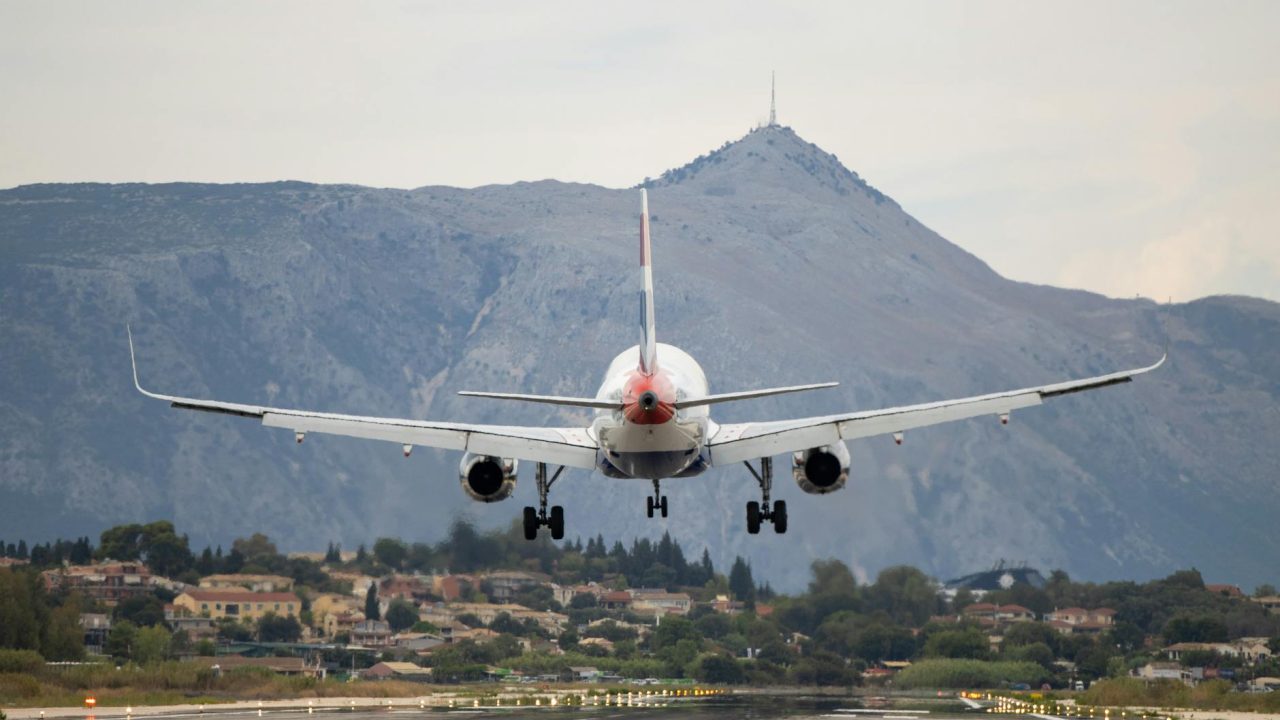
The disruption sweeping European airports in 2026 is not a simple story of bad weather or labor strikes. The root cause runs deeper, and it starts with jet fuel.
Major European airlines have warned publicly that jet fuel supply problems could begin as early as the coming months, according to reporting from Politico Europe. Even with geopolitical tensions showing signs of easing, the pipeline of supply disruption is already in motion. The consequences are cascading through flight schedules across the continent.
Mass cancellations and delays have become a defining feature of European air travel this season. Passengers are stranded. Connections are missed. Itineraries built around tight layovers are collapsing in real time.
The disruption is not evenly distributed. Budget carriers operating on razor-thin margins are cutting routes faster than legacy airlines. But even the big names are not immune. When fuel costs spike, every airline faces the same brutal math: fly and lose money, or cancel and lose customers.
How Airlines Are Earning $14 Billion in Profit While Passengers Suffer
Here is where the story gets genuinely strange. While European airports descend into chaos, the financial reports coming out of airline boardrooms tell a completely different story.
Europe-based carriers are expected to generate a net profit of $13.2 billion in 2025, with forecasts rising to $14 billion in 2026. Profit per passenger is projected at $10.60 in 2025, climbing to $10.90 the following year. These are not modest gains. These are historic numbers.
How is this possible? The answer is strategy, not luck. Airlines have responded to fuel price surges by doing two things simultaneously: hiking fares and cutting capacity. According to Reuters reporting from March 30, 2026, global carriers began raising fares and reducing available seats almost immediately after oil prices spiked.
Fewer flights means fewer fuel costs. Higher fares mean more revenue per seat. The passengers who remain on those flights are paying more, often significantly more, for the privilege of traveling at all.
Ryanair offers the clearest case study in this model. The carrier recorded a profit after tax of €1.92 billion in fiscal year 2024, driven by a load factor of around 94 percent. That means nearly every seat on nearly every flight was filled. High utilization, minimal frills, and rigorous cost control created a machine that generates profit even when the environment turns hostile.
| Metric | 2025 Figure | 2026 Forecast |
|---|---|---|
| European Airline Net Profit | $13.2 billion | $14 billion |
| Profit Per Passenger | $10.60 | $10.90 |
| Ryanair Load Factor (FY2024) | ~94% | Targeting higher |
| Ryanair After-Tax Profit (FY2024) | €1.92 billion | Under pressure |
The premium strategy is also reshaping the passenger experience. Business class cabins are filling faster than economy. Airlines are investing in premium lounges, lie-flat seats, and exclusive services for travelers who will pay whatever it takes to fly comfortably. The middle of the market is being quietly abandoned.
Cruise Tourism’s Rise as the Beneficiary of Air Travel Pain
While airlines navigate the fuel crisis through price hikes and capacity cuts, one sector of the travel industry is watching the chaos unfold with something close to satisfaction. Cruise lines are having their best moment in decades.
Cruise demand keeps climbing, and 2026 is shaping up to be the biggest year yet for the sector. When flights become unreliable, expensive, or simply unavailable, travelers who want to see the world begin looking at alternatives. A cruise offers something that no airline can currently guarantee: a self-contained journey where the transportation and the destination are the same thing.
“Cruise demand keeps climbing, and 2026 could be the biggest year yet for the industry, as travelers seek alternatives to increasingly disrupted and expensive air travel.”
— Industry analysis, 2026
The numbers support the narrative. Cruise lines are reporting record bookings, expanding their fleets, and opening new routes that bypass the most congested European airports entirely. Mediterranean cruises, for instance, allow travelers to experience Spain, Italy, Greece, and Croatia without ever navigating the chaos of a major European hub airport.
Fuel costs are a concern for cruise lines too. Many cruise contracts include clauses allowing operators to add fuel surcharges if prices exceed a certain threshold, a detail that some passengers are only now discovering buried in the fine print. But cruise lines have larger fuel reserves, longer planning horizons, and more pricing flexibility than airlines. They are better positioned to absorb the shock.
What the 2026 Travel Shift Means for American and Global Travelers
The disruptions in Europe are not staying in Europe. Travel patterns across the United States and the Americas are already shifting in response to what is happening on the other side of the Atlantic.
American travelers planning European trips are facing a difficult calculation. Fares are higher. Reliability is lower. The dream of a two-week European adventure built around budget flights between cities is colliding with a reality where those flights may not exist, or may cost twice what they did two years ago.
Some travelers are pivoting entirely. Domestic travel within the US is seeing renewed interest. Others are redirecting to destinations in Southeast Asia, Latin America, and the Caribbean, where air connectivity remains more stable and cruise infrastructure is expanding rapidly.
For travelers who are still committed to Europe, the calculus has changed. Booking directly through airlines rather than third-party platforms offers more flexibility when cancellations hit. Travel insurance with specific trip interruption coverage is no longer optional. And building buffer days into any European itinerary is the difference between a manageable disruption and a ruined trip.
The broader implication is more unsettling. The travel industry is not democratizing. It is stratifying. The passengers who can afford premium fares and flexible bookings will continue to travel with relative ease. Those who cannot are being squeezed out, redirected, or simply left stranded.
Cruise lines are benefiting from this shift, but they are not immune to it. As demand rises and capacity tightens, cruise fares are climbing too. The window of cruise travel as a budget alternative to European flying may be shorter than it appears.
The real question is not whether global travel is in crisis. It is who gets to travel at all when the crisis deepens, and what kind of industry emerges on the other side of it.
Frequently Asked Questions

You Might Also Like

Thailand’s 2026 Visa Rethink: What 30-Day Limits Mean for You
Thailand is reviewing its visa-free policy in 2026, possibly cutting stays from 60 to 30…
Costa Cruises Turns 78 And Travelers Are Booking Mediterranean Deals Fast
A 30% discount on select cruise itineraries sounds like a marketing headline — until you…

Qeshm Island Quietly Became Iran’s Most Powerful Military Position
Once known for its salt caves, dramatic landscapes, and duty-free shopping, Qeshm Island is no…
Leave a Reply