
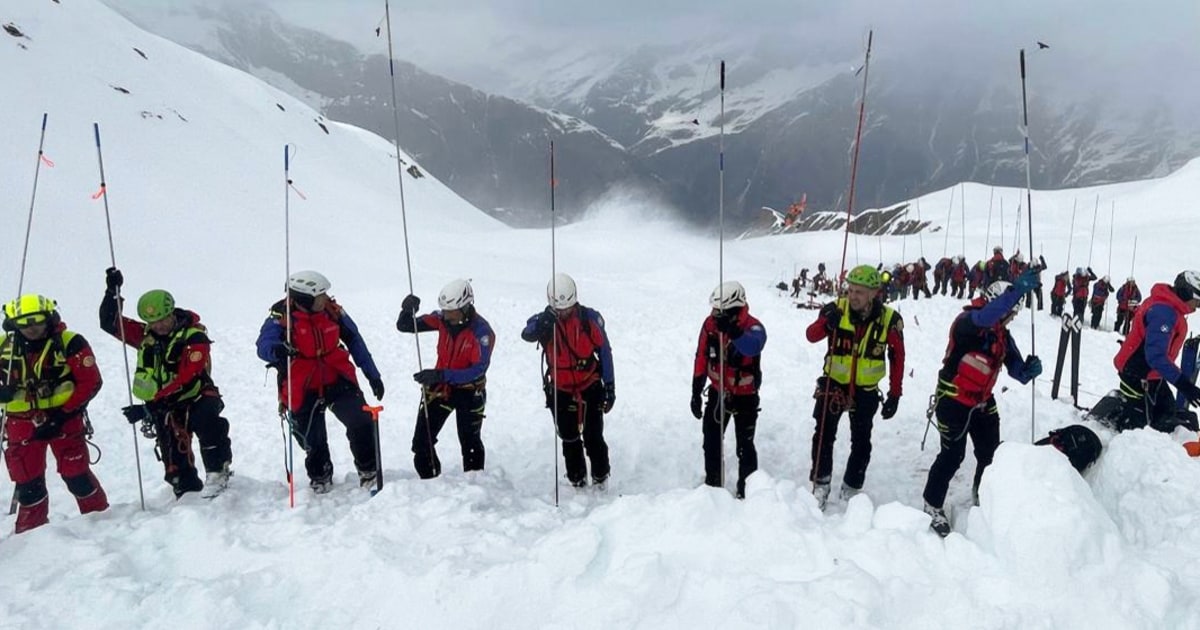
A 150-meter wide wall of snow tore down the slopes of Hohe Ferse mountain in northern Italy’s South Tyrol region on Saturday, March 21, 2026, killing two skiers and seriously injuring several others. The avalanche struck without warning on one of the area’s popular ski runs, catching multiple people in its path and leaving a scene that rescue teams scrambled to reach in the aftermath.
South Tyrol is one of Europe’s most visited winter destinations, drawing hundreds of thousands of skiers each season to its well-developed resorts and dramatic alpine terrain. That popularity is exactly what makes an event like this so significant — not just as a local tragedy, but as a warning that resonates with every person planning a ski trip to the Alps this season or next.
The incident at Hohe Ferse has renewed urgent conversations about avalanche awareness, off-piste safety, and what winter sports tourists genuinely need to understand before heading into the mountains.
What Happened on Hohe Ferse Mountain
The avalanche struck on March 21, 2026, sending a snowslide roughly 150 meters wide across slopes on Hohe Ferse in South Tyrol. Two skiers lost their lives. Several others sustained serious injuries, according to reports from the scene.
Emergency response teams were deployed to the area following the slide. South Tyrol’s mountain rescue services are among the most experienced in Europe, but even rapid response cannot always reverse the outcome when a slide of this scale engulfs people on open terrain.
The timing is notable. Late March sits at the edge of the traditional ski season, a period when warming temperatures can destabilize snowpack that has accumulated over months. Wet avalanches — triggered by melting and refreezing cycles — become more common as spring approaches, and they can be particularly dangerous because the snow is heavier and moves differently than dry powder slides.
Officials have noted that the broader pattern of avalanche incidents across Europe has been increasing, a trend that winter tourism authorities across the Alps have been monitoring with growing concern.
Why South Tyrol Attracts So Many Skiers — and Why That Raises the Stakes
South Tyrol sits in the northeastern corner of Italy, bordering Austria, and it draws visitors from across Europe and beyond. The region combines Italian culture with Austrian alpine tradition, offering a skiing experience that is genuinely unlike anywhere else on the continent.
That appeal means the slopes are busy. Heavy tourist traffic during ski season concentrates large numbers of people on mountain terrain that, by its nature, carries inherent risk. Most of that risk is well-managed on groomed, patrolled runs — but the boundary between controlled ski areas and backcountry terrain is not always obvious to visitors unfamiliar with the local geography.
The Hohe Ferse incident is a reminder that avalanche danger is not confined to remote backcountry routes. Popular slopes in high-traffic destinations can be struck as well, particularly when snowpack conditions are unstable.
The Avalanche Risk Factors Every Skier Should Understand
Avalanche safety experts consistently point to a set of core risk factors that every mountain visitor should know before heading out. While the specific investigation into the Hohe Ferse slide is ongoing, the general conditions that contribute to avalanche events are well established.
| Risk Factor | What It Means for Skiers |
|---|---|
| Recent heavy snowfall | New snow adds weight and stress to existing snowpack, increasing slide risk significantly |
| Warming temperatures | Late-season warming weakens snow bonds; wet avalanches become more common in March and April |
| Wind-loaded slopes | Wind deposits extra snow on leeward slopes, creating unstable slabs that can release suddenly |
| Steep terrain above 30 degrees | Most avalanches release on slopes between 30 and 45 degrees; this includes many off-piste routes |
| Ignoring avalanche bulletins | Daily forecasts from regional services provide critical, location-specific risk ratings |
Checking the local avalanche forecast before skiing — every single day — is one of the most straightforward steps any visitor can take. In South Tyrol, the Avalanche Warning Service issues daily bulletins that are publicly available and cover terrain across the entire region.
What Tourists Heading to the Alps Need to Do Differently
The reality is that many recreational skiers travel to destinations like South Tyrol without any avalanche safety training and without the equipment that could save their life if they were caught in a slide. That gap matters.
- Carry an avalanche safety kit — transceiver (beacon), probe, and shovel — any time you venture beyond groomed, patrolled runs
- Know how to use your equipment before you need it; a beacon in a backpack is useless if you have never practiced a search
- Check daily avalanche bulletins from regional authorities before heading out each morning
- Respect closure signs and barriers — they exist because specific terrain has been assessed as dangerous
- Ski with a guide in unfamiliar terrain; local mountain guides understand conditions in ways that no app or map can fully replicate
- Tell someone your route and expected return time, particularly for any off-piste excursion
Ski resorts in South Tyrol and across the Alps employ professional avalanche control teams who use explosive charges and other techniques to trigger controlled releases and reduce risk on managed terrain. But no resort can control every slope on every mountain, and skiers who leave marked runs enter a different risk environment entirely.
What Comes Next for South Tyrol’s Mountain Safety Response
Following the Hohe Ferse avalanche, local authorities and mountain rescue services were actively working to assess the area and support those affected. Investigations into the precise conditions that triggered the slide were expected to follow, as they do after any significant avalanche event in a managed ski region.
The broader question of how European ski destinations balance tourism demand with mountain safety is one that resort operators, regional governments, and safety agencies are continuously navigating. Events like this tend to accelerate conversations about signage, patrol coverage, and how effectively avalanche risk information reaches tourists who may not speak the local language or be familiar with alpine warning systems.
For travelers planning ski trips to South Tyrol or anywhere in the Alps, the practical message is straightforward: the mountains are extraordinary, but they require respect. Checking conditions, carrying the right equipment, and staying within your skill level and knowledge of the terrain are not optional extras — they are the baseline for skiing safely in avalanche country.
Frequently Asked Questions
Where did the avalanche occur?
The avalanche struck Hohe Ferse mountain in the South Tyrol region of northern Italy on Saturday, March 21, 2026.
How many people were killed or injured?
Two skiers were killed and several others were seriously injured in the avalanche, according to reports from the incident.
How wide was the avalanche?
The snowslide was reported to be approximately 150 meters wide.
Is South Tyrol considered a high-risk avalanche area?
South Tyrol is alpine terrain with inherent avalanche risk, particularly during periods of heavy snowfall or warming temperatures; regional authorities issue daily avalanche bulletins to help visitors assess conditions.
What should skiers carry in case of an avalanche?
Safety experts recommend carrying an avalanche transceiver, a probe, and a shovel whenever skiing outside of groomed and patrolled runs — and knowing how to use all three before heading out.
Has the cause of the Hohe Ferse avalanche been confirmed?
The specific cause of this avalanche has not yet been confirmed; investigations by local authorities were ongoing following the incident.



Leave a Reply