
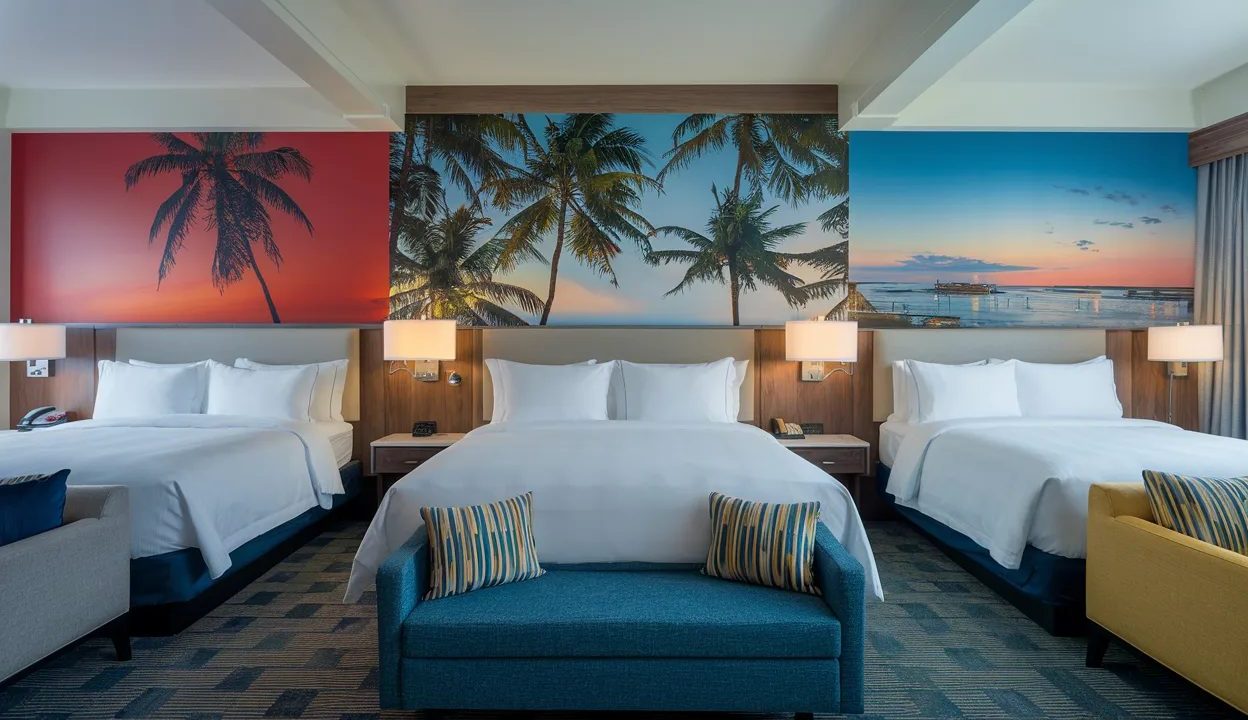
Thousands of hotel rooms that were locked away for FIFA World Cup 2026 are suddenly back on the market — and the window to grab them may be shorter than you think.
In March 2026, FIFA triggered a contractual clause that releases unused reserved room blocks back to the general public approximately 120 days before the tournament begins. Host city officials across the United States, Canada, and Mexico have confirmed that the release is already underway, putting previously unavailable inventory in front of everyday travelers for the first time.
What makes this moment unusual is that the expected booking frenzy never fully arrived. A combination of last-minute booking habits among fans, high visa costs, and delayed federal security funding has created a rare gap in demand — and a genuine opportunity for domestic travelers who thought their chances of attending were long gone.
Why Rooms That Were “Sold Out” Are Suddenly Available
When FIFA negotiates hosting agreements with cities, hotels are required to hold large blocks of rooms exclusively for the tournament’s official use — teams, officials, sponsors, broadcasters, and affiliated delegations. Those rooms are effectively off the market for everyone else, which is why so many fans searching for accommodations near match venues hit dead ends months ago.
But FIFA’s contracts include a built-in release mechanism. If those blocks go unused, they are returned to open inventory roughly 120 days before the event. That deadline has now arrived, and the result is a significant injection of bookable rooms across all three host countries simultaneously.
The scale of the release is being described as a monumental shift in the hospitality landscape by host city officials. Rooms in locations that appeared completely sold out are now showing availability — including properties close to stadium venues that fans had written off entirely.
What’s Driving the Demand Gap — and What It Means for You
Organizers and hospitality analysts have been watching occupancy projections closely, and the numbers have not met early expectations. Several factors are contributing to the softer-than-anticipated demand environment heading into summer 2026.
- Last-minute booking culture: A significant portion of international soccer fans tend to delay travel decisions, waiting until closer to the event to commit to bookings.
- High visa costs: The expense and complexity of obtaining U.S. travel visas has created a barrier for many international fans who would otherwise be filling these rooms.
- Delayed federal security funding: Uncertainty around event security infrastructure has created hesitation at the planning level, contributing to slower overall market movement.
Together, these factors have produced something rare for a FIFA World Cup host cycle: a meaningful inventory window that benefits domestic travelers most directly. American, Canadian, and Mexican fans who are already eligible to travel without visa complications are best positioned to take advantage right now.
Key Details: What the Hotel Market Looks Like Right Now
| Factor | Detail |
|---|---|
| Room release trigger | FIFA contractual clause activated approximately 120 days before the tournament |
| Markets affected | Host cities across the United States, Canada, and Mexico |
| Who confirmed the release | Host city officials across all three nations |
| Demand shortfall causes | Last-minute booking habits, high visa costs, delayed federal security funding |
| Primary beneficiaries | Domestic fans in the U.S., Canada, and Mexico who do not face visa barriers |
| Risk factor | Inventory could move quickly as last-minute international bookings accelerate |
Who This Affects — and Why Timing Matters
If you are a domestic fan in any of the three host countries, this is the most direct opportunity you have had since pre-tournament bookings first opened. Rooms near match venues — the kind that were snapped up or held out of reach by FIFA allocations — are now competing for your attention on the open market.
The catch is that this window is not guaranteed to stay open. The same last-minute booking patterns that helped create this inventory gap could close it just as quickly. As the tournament draws nearer and international travel decisions get made, demand is expected to accelerate. The current softness in the market is a moment, not a season.
For travelers who have been watching from the sidelines — particularly those who assumed the best accommodations were already gone — the advice from host city officials is straightforward: the inventory is real, it is available now, and it will not last indefinitely.
Families planning road trips to match cities, groups of friends organizing multi-game itineraries, and solo fans who have been waiting for a sign — this is the sign. The rooms that were previously considered off-limits are on the market today.
What Happens Next in the FIFA 2026 Travel Market
The current phase is defined by opportunity, but the market is not static. As the 120-day countdown continues, a few dynamics are worth watching.
International fans who have been delaying decisions will eventually commit. Visa processing timelines create a natural deadline — travelers who want to attend must act far enough in advance to secure documentation. That process, once it accelerates, tends to drive a rapid surge in accommodation bookings.
Host city officials are actively monitoring the situation, particularly as factors like federal security funding get resolved. Once structural uncertainties clear, confidence in the event experience tends to rise, and with it, demand.
For now, the advice is simple: if you have been considering attending FIFA World Cup 2026 and assumed hotel availability was the barrier, that barrier has shifted. The rooms are there. The question is how long they stay that way.
Frequently Asked Questions
Why are FIFA World Cup hotel rooms suddenly available after appearing sold out?
FIFA’s hosting contracts include a clause requiring unused room blocks to be returned to the open market approximately 120 days before the event, which triggered a large release of inventory in March 2026.
Which countries are affected by this hotel room release?
Host cities across the United States, Canada, and Mexico are all seeing new inventory become available to the general public.
Why hasn’t demand met early projections for FIFA 2026 accommodations?
Officials point to a combination of last-minute booking habits among fans, high visa costs for international travelers, and delayed federal security funding as contributing factors.
Who is best positioned to take advantage of this availability?
Domestic fans in the U.S., Canada, and Mexico benefit most directly, as they do not face the visa barriers that are limiting international demand.
How long will this hotel availability window last?
The window is expected to close as last-minute international bookings accelerate closer to the tournament — the current softness in demand is not expected to persist through the summer.
Are these newly available rooms near match venues?
Host city officials have confirmed that prime nightly bookings — including properties near stadiums — are among the inventory now available to the general public for the first time.



Leave a Reply