
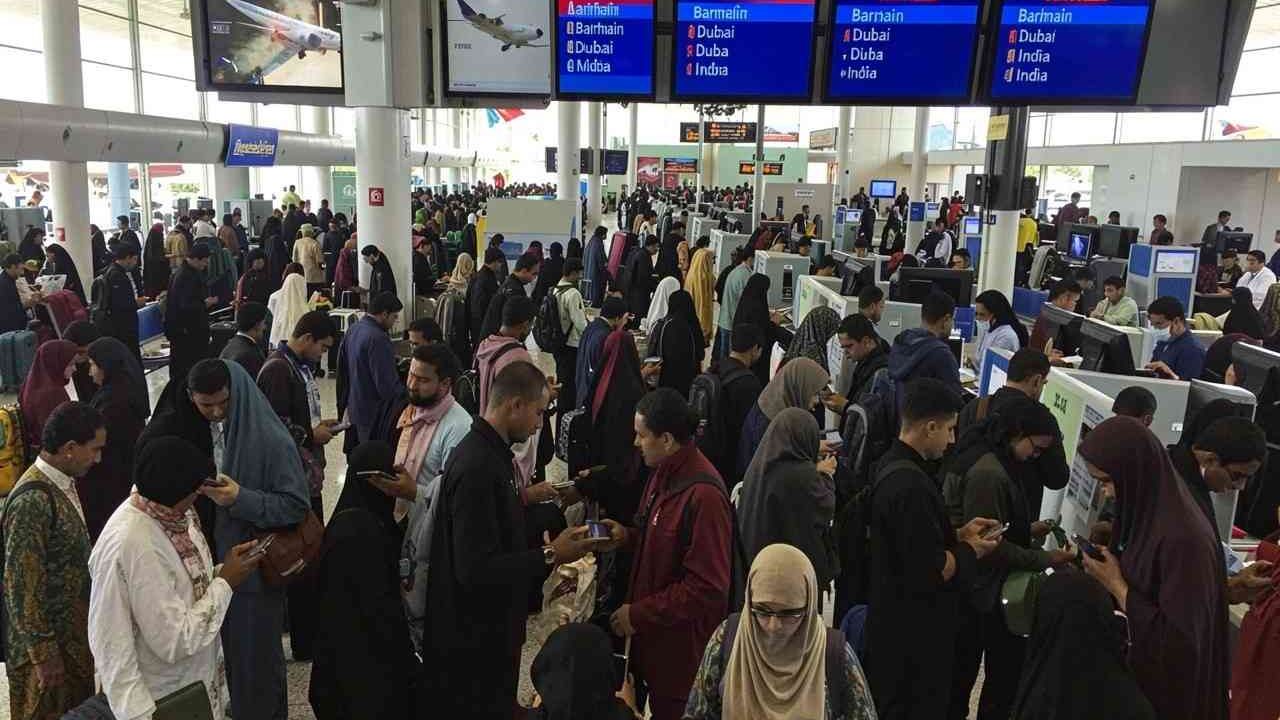
Three flight cancellations and a string of delays are disrupting travel through Seeb International Airport in Muscat, with Gulf Air and Qatar Airways both caught up in operational turbulence that is rippling across some of the region’s busiest routes. For passengers with plans to or from Bahrain, Doha, Luxembourg, or Cairo, the disruption is not a minor inconvenience — it is forcing real-time changes to schedules and creating extended waits at the terminal.
The situation is a reminder of how quickly pressure on a regional hub can cascade outward. When flights are cancelled or held at a major connecting airport, the effects rarely stay local. Travellers on onward connections, those with tight layovers, and passengers relying on codeshare arrangements all feel the strain almost simultaneously.
Here is what is known about the disruptions at Seeb International Airport and what affected passengers should be aware of right now.
What Is Happening at Seeb International Airport
Seeb International Airport — the main international gateway serving Muscat, Oman — is currently experiencing significant flight disruption involving two of the Gulf region’s prominent carriers: Gulf Air and Qatar Airways.
According to available reporting, at least three flights have been outright cancelled, while numerous additional services are facing delays. The disruptions are not isolated to a single route. Multiple city pairs are affected, spanning both short-haul regional connections and longer international links.
Operations at the airport have become visibly strained, and airlines are understood to be working to manage the situation and minimise further impact on passengers. The pressure reflects broader operational challenges that have been building on key regional routes in and out of Muscat.
Which Routes and Cities Are Affected
The disruption is touching a wide geographic spread. Flights connecting Muscat to Bahrain and Doha — two of the most heavily trafficked short-haul routes in the Gulf — are among those particularly affected. Beyond the immediate region, international links to Luxembourg and Cairo are also experiencing instability.
| Airline | Routes Affected | Type of Disruption |
|---|---|---|
| Gulf Air | Muscat – Bahrain and beyond | Cancellations and delays |
| Qatar Airways | Muscat – Doha and beyond | Cancellations and delays |
| Both carriers | International links including Luxembourg and Cairo | Schedule instability and delays |
The combination of regional and long-haul routes being caught up in the same wave of disruption makes this particularly difficult for travellers who are transiting through Muscat or connecting onward through Bahrain or Doha. A delay or cancellation on one leg can quickly unravel an entire itinerary.
Why This Disruption Is Hitting Passengers Hard
Flight cancellations and delays at a connecting hub are never straightforward to manage, but the current situation at Seeb International Airport carries a few specific complications worth understanding.
- Multiple airlines involved: When disruption spans more than one carrier, passengers on codeshare or interline bookings face additional complexity in securing rebooking or compensation.
- Range of destinations affected: The spread from short-haul Gulf routes to longer international services like Cairo and Luxembourg means travellers of very different journey types are all dealing with uncertainty at the same time.
- Extended waiting times: Passengers are being forced to manage longer waits at the terminal, adjust onward plans, and deal with a level of uncertainty that makes it difficult to commit to alternative arrangements.
- Operational pressure on regional routes: The disruptions reflect what has been described as growing operational pressure on key routes — suggesting this is not simply a one-off technical issue but something with a broader context.
For anyone travelling through Muscat right now, the practical reality is that schedules cannot be taken at face value. Checking directly with Gulf Air or Qatar Airways before heading to the airport is strongly advisable.
What Affected Travellers Should Do Now
If you have a booking on any Gulf Air or Qatar Airways flight through Seeb International Airport — particularly on routes connecting to Bahrain, Doha, Cairo, or Luxembourg — there are some immediate steps worth taking.
- Check your flight status directly with the airline, either through their official app, website, or customer service line. Airport departure boards may lag behind real-time updates.
- Contact your airline proactively if your flight has been cancelled. Airlines are actively working to manage the situation, and early contact typically improves your chances of securing a rebooking on the next available service.
- Review your travel insurance policy if you have one. Cancellations and significant delays are typically covered events, and documentation of the disruption — including any written communication from the airline — will support a claim.
- Allow extra time if you are heading to the airport. Congestion and operational strain at the terminal are likely to mean longer processing times across check-in and ground services.
- Consider flexible rebooking options if your travel dates allow. Some carriers offer fee waivers during periods of significant disruption.
What Happens Next at Seeb International Airport
Both Gulf Air and Qatar Airways are reported to be actively working to address the disruptions and restore normal operations. The exact timeline for full schedule recovery has not been confirmed in available reporting, and passengers should continue monitoring for updates.
The situation also raises broader questions about capacity and resilience on Gulf regional routes, particularly as travel demand through Muscat and connecting hubs continues to run at high levels. When operational pressure builds across multiple carriers simultaneously, recovery can take longer than a single isolated incident would suggest.
For now, the priority for most affected travellers will be securing confirmed alternative arrangements and keeping a close eye on any communications from their airline. The disruption at Seeb International Airport is active, and the picture may continue to evolve throughout the coming hours.
Frequently Asked Questions
Which airlines are involved in the Seeb International Airport disruptions?
Gulf Air and Qatar Airways are both affected, with cancellations and delays reported across services operated by both carriers.
How many flights have been cancelled?
At least three flights have been cancelled as part of the current disruption, with additional services also facing delays.
Which cities are affected by the flight cancellations and delays?
Confirmed affected destinations include Muscat, Bahrain, Doha, Luxembourg, and Cairo, among others.
Are the airlines doing anything to help affected passengers?
Reports indicate that both airlines are actively working to manage the situation and minimise further disruption, though specific rebooking or compensation details have not been confirmed in available reporting.
Should I still go to Seeb International Airport if my flight is scheduled?
Check your flight status directly with your airline before travelling to the airport, as schedules are subject to change and further delays are possible while the disruption continues.
When will normal operations resume at Seeb International Airport?
A confirmed timeline for full schedule recovery has not been announced. Passengers should monitor updates from Gulf Air and Qatar Airways directly for the latest information.



Leave a Reply