
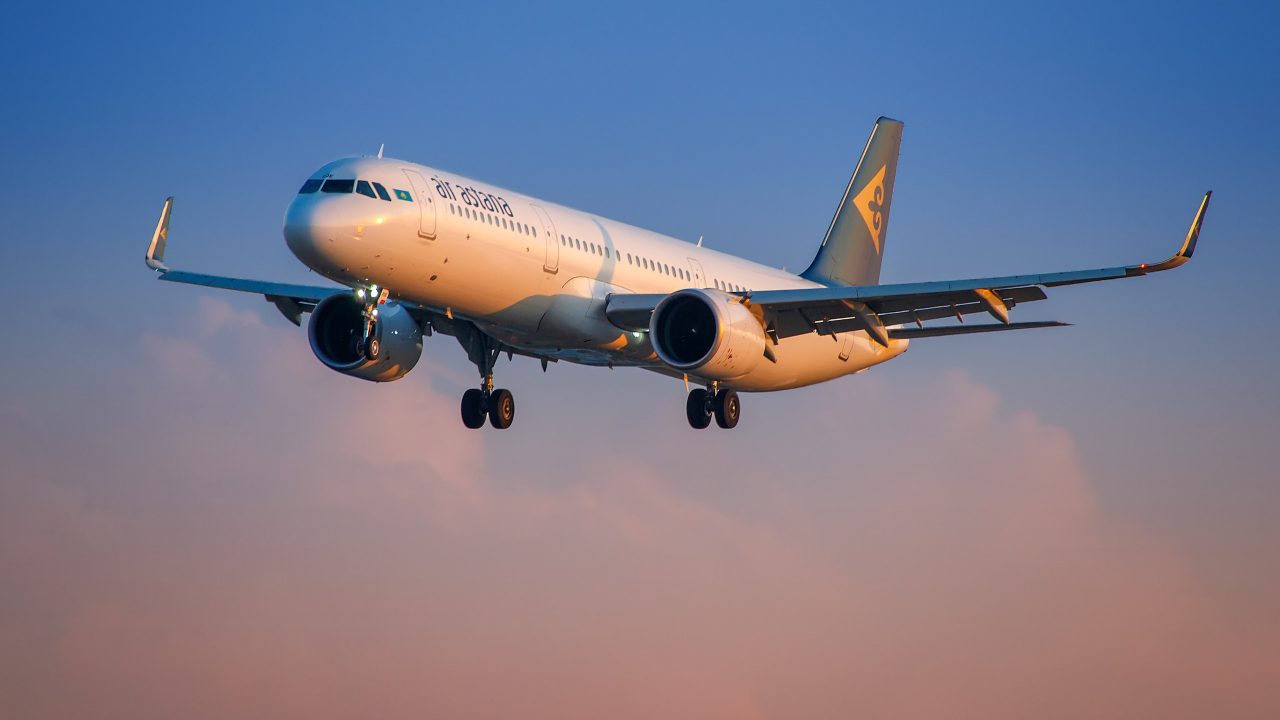
Kazakhstan has long sat at the crossroads of civilizations, but for most international travelers, it has remained just out of reach — too remote, too poorly connected, too far off the beaten path. That may be changing. Air Astana, the country’s flag carrier based in Almaty, is entering a new phase of expansion that is quietly reshaping how accessible Central Asia can be for global tourists.
The airline, which operates alongside its low-cost subsidiary FlyArystan, is actively growing its route network and increasing flight capacity. For travelers who have been watching Kazakhstan from a distance — curious about its vast steppes, ancient Silk Road cities, and dramatic mountain landscapes — better connectivity is exactly the kind of development that turns a vague interest into a booked trip.
This isn’t just good news for Kazakhstan’s tourism industry. It signals something broader: Central Asia, one of the last genuinely underexplored regions for international leisure travel, is becoming more reachable than ever before.
Why Air Astana’s Expansion Matters for Kazakhstan Travel
Air connectivity is one of the most reliable predictors of tourism growth. When flights become more frequent, more direct, and more affordable, visitor numbers follow. For a destination like Kazakhstan — which doesn’t yet have the name recognition of neighbors like Uzbekistan’s Samarkand, despite offering comparable historical depth — improved air access can be genuinely transformative.
Air Astana serves as a critical bridge between global destinations and Kazakhstan, operating out of Almaty, the country’s largest city and its commercial heart. As the airline expands, it is making it easier for travelers from different parts of the world to reach not just Almaty, but the wider Central Asian region that Kazakhstan anchors.
The involvement of FlyArystan, Air Astana’s budget-focused subsidiary, adds another important dimension. Low-cost options open the door to a broader range of travelers — backpackers, independent explorers, and budget-conscious tourists who might otherwise skip a destination if the only available flights are expensive full-service options. Competitive pricing makes the region more appealing across income levels, not just for premium travelers.
What the Expansion Looks Like in Practice
Air Astana and FlyArystan are working together to grow the route network available to international travelers. The result is greater flexibility when planning a journey to Kazakhstan — more departure points, more connection options, and a wider window of travel dates.
| Airline | Type | Primary Hub | Role in Expansion |
|---|---|---|---|
| Air Astana | Full-service carrier | Almaty | Expanding international routes and flight capacity |
| FlyArystan | Low-cost subsidiary | Kazakhstan | Providing competitive pricing for a wider range of travelers |
Together, the two carriers are building a more complete air travel ecosystem for the country — one that can serve both business travelers and leisure tourists, long-haul visitors and regional explorers.
- More direct and connecting flight options to Kazakhstan are becoming available
- Greater scheduling flexibility makes trip planning more practical
- Competitive pricing through FlyArystan broadens the potential traveler base
- Almaty functions as a central hub for onward connections into Central Asia
The Bigger Picture: Kazakhstan as an Emerging Travel Destination
There is a reason travelers who have visited Kazakhstan often come back surprised — and enthusiastic. The country offers an unusual combination of experiences that few destinations can match: Soviet-era architecture sitting alongside modern city skylines, nomadic cultural traditions that remain genuinely alive, and natural environments ranging from the Tian Shan mountains to the Charyn Canyon.
Yet Kazakhstan has consistently been described as an emerging destination rather than an established one. Part of that is awareness. Part of it, though, has always been access. Getting there required either a long journey or expensive tickets, which filtered out a significant portion of potential visitors before they even started planning.
Improved air connectivity directly addresses that barrier. When more travelers can reach a destination conveniently and affordably, the destination stops being a niche choice and starts becoming a real option for a much wider audience. Tourism analysts broadly agree that for destinations still building their international profile, airline investment is one of the most powerful catalysts available.
Kazakhstan is also benefiting from a broader shift in traveler preferences. As more popular destinations in Europe and Southeast Asia become crowded and expensive, a growing segment of travelers is actively seeking places that feel less visited, more authentic, and more genuinely different. Kazakhstan fits that profile well.
What This Means If You’re Planning a Trip
For anyone who has been considering a trip to Central Asia, the practical implication of Air Astana’s expansion is straightforward: the logistics are getting easier. More routes mean more departure cities to choose from. More capacity means better availability at the times you want to travel. And the presence of a low-cost option in FlyArystan means that price is becoming less of an obstacle than it once was.
Almaty serves as the most natural entry point for most international visitors. From there, the country opens up — to the cultural richness of the south, the vast open landscapes of the steppe, and the mountain recreation areas that draw hikers and winter sports enthusiasts alike.
Observers of Central Asian tourism have noted that Kazakhstan is increasingly accessible to tourists seeking new and less crowded destinations. For travelers who value being somewhere before it becomes overrun, the timing may be particularly good right now.
What to Watch as This Develops
Air Astana’s current expansion phase is ongoing, and the full scope of new routes and capacity additions is still taking shape. As the airline continues to grow its network, additional destinations are likely to gain direct or improved connections to Kazakhstan.
The development of FlyArystan’s role within that network will also be worth following. Low-cost carriers have repeatedly demonstrated their ability to unlock tourism growth in markets that full-service airlines alone cannot fully serve. If FlyArystan continues to expand alongside Air Astana, the combined effect on Kazakhstan’s visitor numbers could be significant.
For now, the direction is clear: Kazakhstan is becoming more connected, more accessible, and more firmly on the map for international travelers exploring what Central Asia has to offer.
Frequently Asked Questions
What is Air Astana and where is it based?
Air Astana is Kazakhstan’s flag carrier airline, operating primarily out of Almaty. It serves as a key connection between international destinations and Kazakhstan.
What is FlyArystan?
FlyArystan is Air Astana’s low-cost subsidiary airline. It provides more competitively priced flight options, making Kazakhstan more accessible to a broader range of travelers.
How is Air Astana’s expansion improving access to Kazakhstan?
The airline is growing its route network and increasing flight capacity, offering travelers more direct and connecting flight options and greater scheduling flexibility.
Is Kazakhstan a good destination for international tourists?
Kazakhstan is described as an emerging destination that is becoming increasingly accessible, particularly appealing to travelers seeking less crowded and less conventional travel experiences.
Will new routes bring cheaper flights to Kazakhstan?
The expansion of FlyArystan alongside Air Astana is intended to provide competitive pricing options, though specific fare details have not been confirmed in available reports.
What is Almaty’s role in Kazakhstan travel?
Almaty is Kazakhstan’s largest city and serves as the primary international hub for Air Astana, functioning as the main gateway for visitors entering the country and the broader Central Asian region.




Leave a Reply