
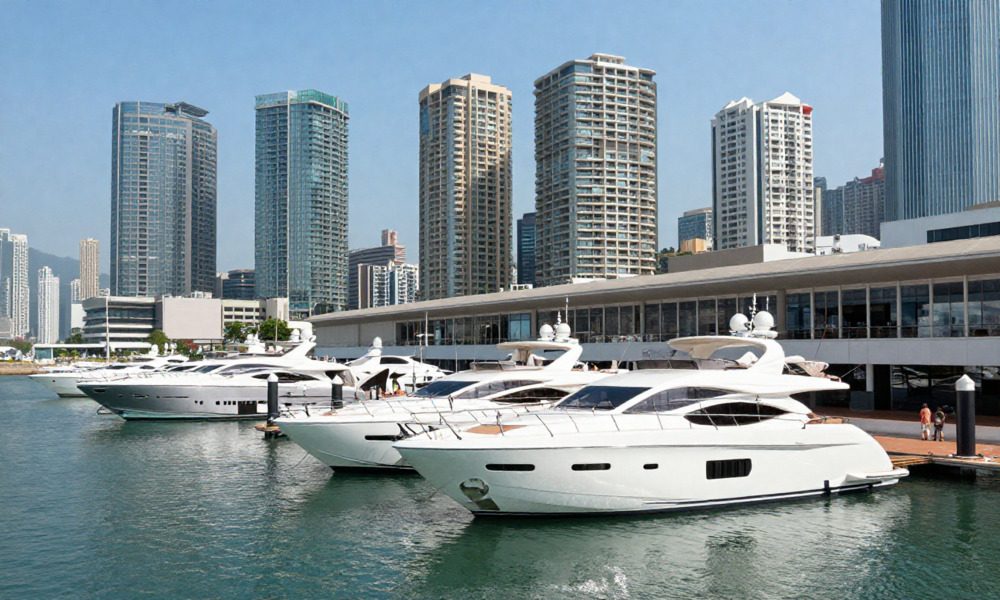
Hong Kong is quietly repositioning itself as one of Asia’s most ambitious luxury maritime destinations — and the scale of what’s being planned goes well beyond a few extra yacht berths.
The city is pursuing a broad strategy to become the premier maritime lifestyle hub for the Greater Bay Area, combining investments in high-end coastal infrastructure, cross-border collaboration, and a deliberate push to attract affluent tourists and yacht owners from across the region and beyond. The goal is to reshape how the world sees Hong Kong on the water.
For a city already famous for its skyline and financial clout, the maritime pivot represents a significant expansion of identity — one that officials and planners believe could deliver lasting economic and cultural dividends.
Why Hong Kong Is Betting Big on Luxury Yacht Tourism
The timing of this push is deliberate. Demand for high-end maritime experiences has been growing across Asia, and Hong Kong’s geographic position makes it a natural candidate to capture that market. Sitting at the southern edge of the Greater Bay Area — one of the world’s most economically dynamic regions — the city has both the connectivity and the coastline to support a world-class yachting scene.
The plans involve developing state-of-the-art yacht berths, investing in premium residential projects along the waterfront, and building out sustainable coastal developments that appeal to environmentally conscious luxury travelers. Each of these elements is designed to work together, creating an ecosystem that makes Hong Kong not just a place to visit by yacht, but a place where the yachting lifestyle can genuinely take root.
Cross-border initiatives are central to the strategy. By deepening ties with neighboring cities and regions within the Greater Bay Area, Hong Kong aims to offer yacht tourists seamless access to a wider network of destinations — effectively turning the entire bay into a single, connected luxury maritime corridor.
What the Development Plans Actually Include
The initiatives span several interconnected areas, each targeting a different aspect of the maritime luxury experience. Here’s what the broader development framework covers:
- State-of-the-art yacht berths — New and upgraded berthing facilities designed to accommodate high-end vessels and meet the expectations of international yacht owners.
- High-end residential projects — Waterfront residential developments that blend luxury living with direct maritime access, targeting affluent buyers and long-term residents.
- Sustainable coastal developments — Infrastructure built with environmental considerations in mind, appealing to a growing segment of luxury travelers who prioritize sustainability.
- Cross-border collaboration — Partnerships with Greater Bay Area cities to create integrated maritime tourism routes and shared infrastructure.
- Elevated global profile — Targeted efforts to raise Hong Kong’s visibility in international yachting and maritime lifestyle circles.
| Development Area | Focus | Target Audience |
|---|---|---|
| Yacht Berth Infrastructure | Modern berthing for luxury vessels | International yacht owners |
| Waterfront Residential Projects | High-end coastal living | Affluent buyers and residents |
| Sustainable Coastal Development | Eco-conscious luxury infrastructure | Environmentally aware travelers |
| Cross-Border Maritime Routes | Integrated Greater Bay Area access | Regional and international tourists |
What This Means for Travelers, Investors, and the Local Economy
For luxury travelers, the practical implication is straightforward: Hong Kong is working to become a destination where arriving by yacht is not just possible, but genuinely rewarding. Better berths, better services, and a richer surrounding ecosystem of high-end dining, accommodation, and cultural experiences all point toward a more compelling maritime visit.
For investors and property buyers, the waterfront residential component of the plan signals that the city sees long-term value in maritime-adjacent real estate. High-end coastal developments are being designed not just for tourists, but for people who want to make the maritime lifestyle a permanent part of their lives.
For the local economy, the potential upside is considerable. Attracting affluent yacht owners and luxury maritime tourists typically generates spending across a wide range of sectors — hospitality, retail, marine services, and more. Officials backing these initiatives clearly believe that the economic multiplier effect justifies the investment in infrastructure.
The cross-border dimension also matters beyond tourism. By positioning Hong Kong as the heart of a Greater Bay Area maritime network, the city strengthens its case as a regional coordination hub — a role that carries strategic value well beyond any single tourist season.
What Comes Next for Hong Kong’s Maritime Vision
The direction is set, but the work is ongoing. Developing world-class maritime infrastructure takes time, and Hong Kong is in the early stages of a longer transformation. The immediate priorities appear to center on getting the physical infrastructure right — berths, coastal developments, and residential projects — while simultaneously building the cross-border relationships that will give the broader network its appeal.
As those foundations take shape, the city will likely intensify its efforts to market itself to the international yachting community. Raising Hong Kong’s profile in global maritime lifestyle circles is itself a strategic investment, one that pays off as awareness grows among the affluent travelers and yacht owners the city is targeting.
The Greater Bay Area context also suggests the story will continue to evolve. As regional integration deepens and more infrastructure comes online, the maritime corridor that Hong Kong anchors could become one of Asia’s most distinctive luxury travel experiences — a waterborne network connecting some of the world’s most dynamic cities.
Frequently Asked Questions
What is Hong Kong’s main goal with its new maritime initiatives?
Hong Kong aims to establish itself as the premier maritime lifestyle hub for the Greater Bay Area, attracting affluent tourists and yacht owners through improved infrastructure and cross-border collaboration.
What types of infrastructure is Hong Kong planning to develop?
Plans include state-of-the-art yacht berths, high-end waterfront residential projects, and sustainable coastal developments designed to support luxury maritime tourism.
How does the Greater Bay Area fit into Hong Kong’s maritime strategy?
Hong Kong is pursuing cross-border partnerships with neighboring Greater Bay Area cities to create integrated maritime tourism routes, positioning itself at the center of a regional luxury maritime network.
Who is the target audience for these maritime developments?
The initiatives are primarily aimed at affluent tourists, international yacht owners, and high-end travelers seeking luxury maritime experiences in the region.
Is sustainability part of Hong Kong’s maritime development plans?
Yes — sustainable coastal developments are explicitly part of the strategy, reflecting growing demand from environmentally conscious luxury travelers.
When will these maritime projects be completed?
Specific completion timelines have not yet been confirmed; the initiatives are described as ongoing, with Hong Kong in the early stages of a longer-term maritime transformation.


Leave a Reply