
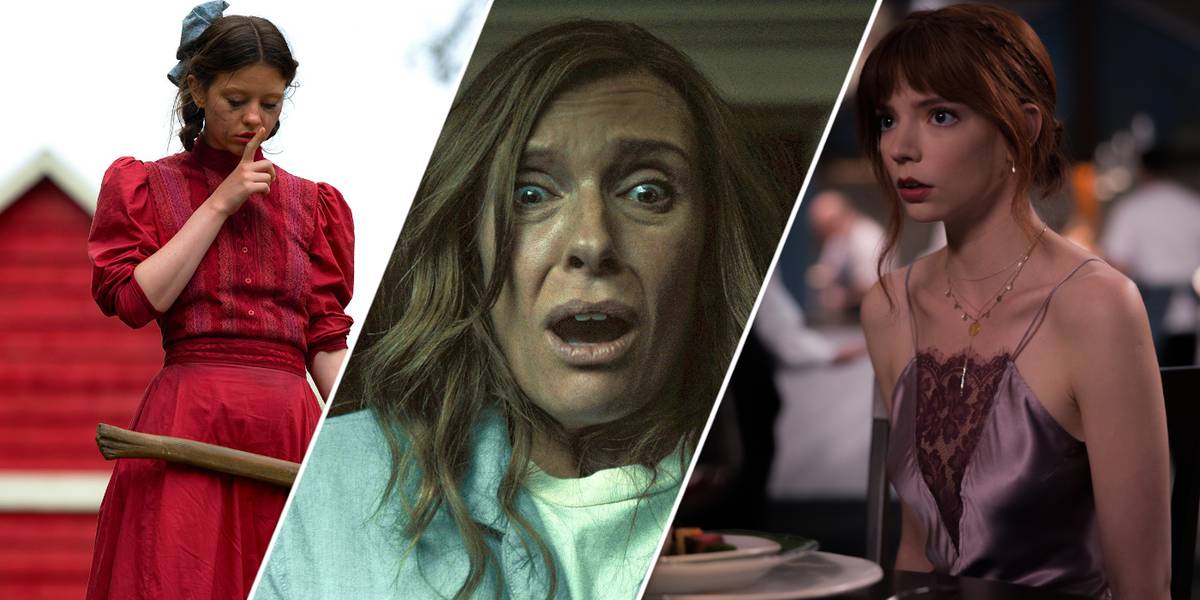
The Academy Awards have long been accused of overlooking horror — but the genre has quietly racked up some of the most celebrated wins in Oscar history. From psychological thrillers that redefined what scary could mean to monster movies that swept the ceremony, horror’s relationship with Hollywood’s biggest night is more impressive than most people realize.
The genre gets dismissed at awards time more often than not. Voters tend to treat horror as popcorn entertainment rather than serious filmmaking. But when the Academy has recognized horror, it has done so in ways that are genuinely hard to argue with — wins so well-earned they’ve stood up to decades of scrutiny.
Here’s a look at the horror movie Oscar wins that hold up as genuinely indisputable, drawing on the genre’s long and underappreciated awards history.
Why Horror and the Oscars Have Always Had a Complicated Relationship
Horror is one of the oldest and most commercially reliable genres in cinema. It consistently draws audiences, launches careers, and produces films that stay in the cultural conversation for generations. And yet, for most of the Academy’s history, horror has been treated as a second-class genre — good enough for box office receipts, rarely good enough for serious awards consideration.
The bias runs deep. Horror films are frequently absent from Best Picture lineups even when they are among the most technically accomplished and emotionally resonant films of their year. When they do get nominated, it’s often in technical categories — makeup, visual effects, sound — rather than the prestige categories that signal real respect.
That makes the wins that do exist all the more meaningful. When the Academy has recognized horror, it has usually been impossible to deny.
The Horror Oscar Wins That No One Can Seriously Dispute
Across the Academy’s nearly century-long history, a handful of horror films have won Oscars in ways that felt not just deserved but inevitable. These are the wins that hold up — the ones where even the most skeptical observer would struggle to argue the award went to the wrong film.
Several of the genre’s most celebrated entries fall into this category. Films like The Silence of the Lambs — which famously swept the five major Oscar categories in 1992, winning Best Picture, Best Director, Best Actor, Best Actress, and Best Adapted Screenplay — represent the clearest example of horror being recognized at the highest level. That kind of clean sweep is almost unheard of in any genre.
Get Out won Jordan Peele the Academy Award for Best Original Screenplay in 2018, making him the first Black screenwriter to win in that category. The win was widely celebrated as both a creative and cultural milestone.
Beyond those headline moments, horror has earned recognition in technical categories where its contributions have often been groundbreaking — makeup work, practical effects, and sound design that pushed the boundaries of what film could do.
A Breakdown of Notable Horror Oscar Wins by Category
Looking at the genre’s Oscar history across different award categories helps illustrate just how wide-ranging horror’s contributions to cinema have been.
| Film | Oscar Category | Year |
|---|---|---|
| The Silence of the Lambs | Best Picture, Director, Actor, Actress, Adapted Screenplay | 1992 |
| Get Out | Best Original Screenplay | 2018 |
| An American Werewolf in London | Best Makeup (inaugural year of the category) | 1982 |
| The Exorcist | Best Adapted Screenplay, Best Sound | 1974 |
| Rosemary’s Baby | Best Supporting Actress (Ruth Gordon) | 1969 |
These wins span more than five decades and touch nearly every corner of the craft — writing, performance, direction, and technical achievement.
What These Wins Actually Tell Us About the Genre
The most striking thing about horror’s Oscar wins isn’t just that they happened — it’s what they reveal about the genre when it’s operating at its highest level.
The Silence of the Lambs winning Best Picture didn’t happen because voters suddenly decided to embrace horror. It happened because the film was so undeniably excellent that ignoring it would have been embarrassing. The same logic applies to Get Out. Jordan Peele wrote a screenplay so sharp, so structurally precise, and so layered with meaning that passing it over would have been indefensible.
Horror at its best isn’t just about scares. It’s about using fear as a lens to examine something real — identity, power, grief, paranoia, social violence. The films that have won Oscars tend to be the ones that understood that most clearly.
Ruth Gordon’s win for Rosemary’s Baby is another example worth noting. Her performance as the unnervingly cheerful neighbor Minnie Castevet is one of the great supporting turns in film history — funny, sinister, and completely committed. The Academy got that one right.
The Wins That Opened Doors — and the Ones Still Missing
Each major horror Oscar win has, in some way, made the next one slightly more possible. The success of The Silence of the Lambs at the 1992 ceremony helped establish that genre labels shouldn’t disqualify a film from serious consideration. Get Out‘s win reinforced that horror could be a vehicle for the most urgent and sophisticated storytelling in American cinema.
Still, the gaps are noticeable. Films like Hereditary, The Witch, and Midsommar — widely regarded as among the best horror films of the modern era — received little to no Oscar recognition. Toni Collette’s performance in Hereditary was arguably one of the most discussed acting snubs in recent memory.
The Academy’s relationship with horror remains unresolved. The wins that exist are real and earned. The recognition that’s been withheld is equally real.
Frequently Asked Questions
Which horror film has won the most Oscars?
The Silence of the Lambs holds the record, winning five major Academy Awards in 1992 including Best Picture, Best Director, Best Actor, Best Actress, and Best Adapted Screenplay.
Did Get Out win an Oscar?
Yes. Jordan Peele won the Academy Award for Best Original Screenplay for Get Out in 2018, becoming the first Black screenwriter to win in that category.
Has any horror film won Best Picture besides The Silence of the Lambs?
Based on widely documented Oscar history, The Silence of the Lambs remains the most clear-cut horror film to win Best Picture, though the genre classification of some nominees is sometimes debated.
Why does the Academy rarely recognize horror films?
The Academy has historically treated horror as a commercial rather than artistic genre, which has led to consistent underrepresentation in major categories despite the genre’s technical and creative achievements.
What was significant about An American Werewolf in London’s Oscar win?
An American Werewolf in London won the Best Makeup award in 1982, which was the inaugural year the Academy introduced that category — making it a landmark win for practical effects in horror.
Are modern horror films getting more Oscar recognition?
Recognition has grown incrementally, with films like Get Out breaking through in major categories — but many critically acclaimed modern horror films continue to be overlooked at nomination time.


Leave a Reply