
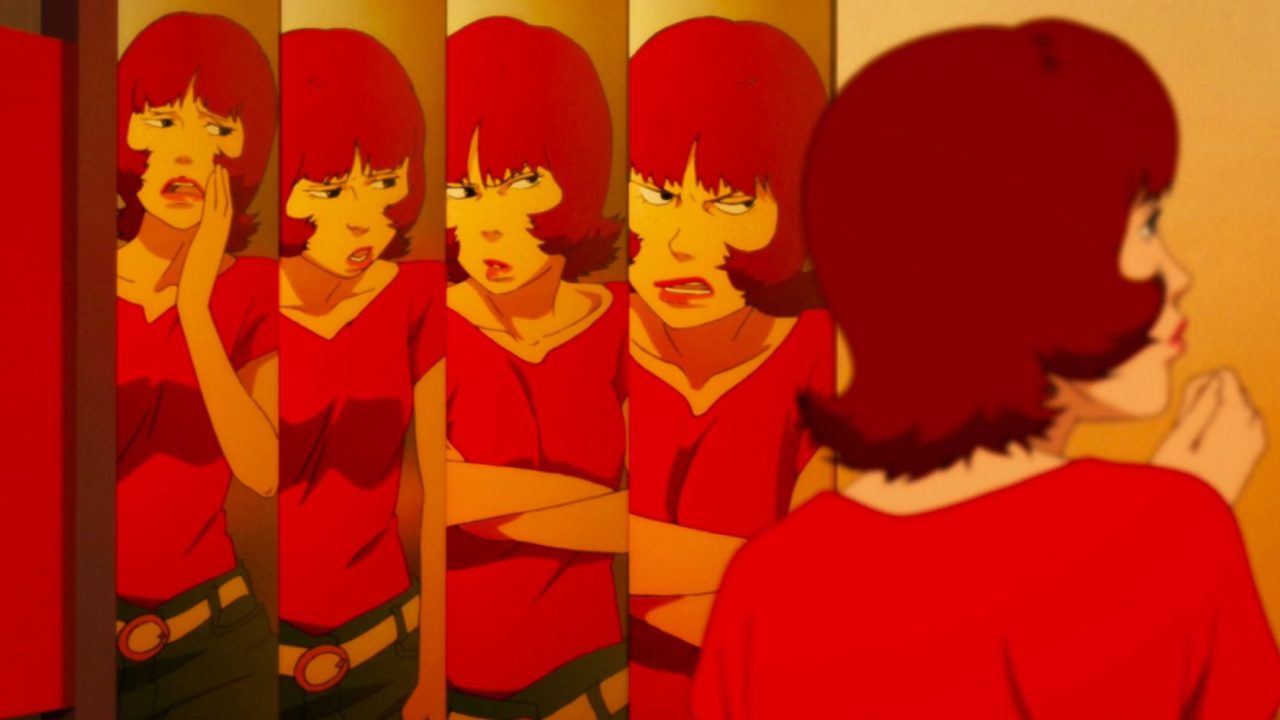
Some films don’t just tell a story — they dissolve the boundary between what’s real and what isn’t, leaving you genuinely unsure whether what you just watched actually happened or was some kind of fever dream conjured by a director with a very particular vision. These are the surreal movies that don’t play by the rules of conventional cinema, and they’ve built devoted cult followings because of it.
The topic of surreal, mind-bending cinema has long fascinated film lovers and critics alike. Certain films have earned a reputation specifically for producing a disorienting, almost hallucinatory experience — the kind where you finish watching and need a few quiet minutes just to re-establish your grip on reality. Whether you’re a seasoned arthouse viewer or someone who stumbled into the wrong Netflix queue at midnight, these movies tend to leave a mark.
Because the full list and individual film descriptions were not available in the
What Makes a Movie Truly Surreal?
Not every strange film qualifies as genuinely surreal. There’s a meaningful difference between a movie that’s merely weird and one that actively dismantles your sense of logic, time, and identity while you’re watching it. True surreal cinema tends to share a few consistent qualities.
- Dream logic replaces cause-and-effect storytelling
- Visual imagery is symbolic rather than literal
- Character identity shifts or becomes unstable
- The line between fantasy and reality is deliberately blurred
- Emotional experience takes priority over narrative coherence
- The viewer is made to feel genuinely disoriented, not just surprised
This is cinema designed to be felt more than understood. Directors working in this space — from Luis Buñuel and David Lynch to Alejandro Jodorowsky and Charlie Kaufman — have built careers on the idea that film can access parts of the human mind that conventional storytelling simply cannot reach.
The Films Most Frequently Cited in This Space
While the full specific list from the Collider source was not accessible in the provided text, the genre of surreal, psychedelic cinema has a well-documented canon that critics and filmmakers return to consistently. These are the titles that appear most reliably in serious discussions of mind-bending film.
| Film | Director | Year | Known For |
|---|---|---|---|
| Eraserhead | David Lynch | 1977 | Industrial nightmare imagery, non-linear dread |
| El Topo | Alejandro Jodorowsky | 1970 | Spiritual allegory, graphic surrealism |
| The Holy Mountain | Alejandro Jodorowsky | 1973 | Occult symbolism, hallucinatory visuals |
| Mulholland Drive | David Lynch | 2001 | Identity collapse, dream-within-dream structure |
| Being John Malkovich | Spike Jonze | 1999 | Surreal premise, identity and consciousness |
| Annihilation | Alex Garland | 2018 | Biological horror, reality breakdown |
| Enter the Void | Gaspar Noé | 2009 | First-person death experience, neon psychedelia |
| Synecdoche, New York | Charlie Kaufman | 2008 | Existential spiral, collapsing reality |
These eight films represent the kind of viewing experience that tends to provoke the reaction described in the original Collider headline — a sensation that’s less like watching a story and more like inhabiting someone else’s subconscious.
Why These Movies Hit So Differently Than Ordinary Weirdness
There’s a reason viewers describe these films using the language of altered states. Each of them deploys specific cinematic techniques — unconventional editing, non-Euclidean set design, sound design that feels physically intrusive, color palettes that shift without warning — to produce a genuinely destabilizing effect.
David Lynch’s work, particularly Mulholland Drive and Eraserhead, operates almost entirely on the logic of nightmares. Jodorowsky’s films feel like religious texts written by someone who has never slept. Gaspar Noé’s Enter the Void places you inside the perspective of a dying person and refuses to let you leave for nearly three hours.
Charlie Kaufman’s Synecdoche, New York is perhaps the most emotionally brutal entry in this category — a film that starts as a character study and gradually becomes a hall of mirrors in which the main character’s life and art become indistinguishable, and time itself stops behaving normally.
What unites all of them is intentionality. These aren’t accidents of strange filmmaking. Every disorienting choice is deliberate, and that’s what separates them from films that are simply confusing.
Who Actually Watches These Films — and Why
The audience for surreal cinema is broader than you might expect. These films attract serious cinephiles, but they also draw in viewers who are simply looking for something that feels genuinely unlike anything else they’ve seen. Cult followings around films like El Topo and The Holy Mountain have persisted for decades precisely because the viewing experience is so singular.
Streaming platforms have made this corner of cinema significantly more accessible over the past several years. Films that once required a trip to a specialty video store or an arthouse theater are now available to anyone with a subscription and a willingness to sit with discomfort for two hours.
The practical advice most veteran viewers of this genre offer is simple: don’t try to solve these films while you’re watching them. Let the experience wash over you. The meaning, if there is one, tends to arrive later — sometimes days later, sometimes in a dream.
Frequently Asked Questions
What makes a movie “surreal” rather than just confusing?
Surreal films use deliberate dream logic, symbolic imagery, and destabilizing techniques to create an emotional and psychological experience — confusion is a byproduct of intent, not poor storytelling.
Is the original Collider list of eight films confirmed?
The specific eight films cited in the Collider article published March 22, 2026 were not available in the
Are these films suitable for general audiences?
Most of the films commonly associated with this genre carry mature ratings and contain challenging content — they are generally intended for adult viewers comfortable with unconventional, often disturbing imagery.
Where can I watch surreal films like these?
Availability varies by platform and region, but many titles in this genre are accessible through streaming services, digital rental, or physical media from specialty distributors.
Do I need any background knowledge to enjoy surreal cinema?
No prior knowledge is required, though familiarity with the directors’ other work can deepen the experience — most viewers find these films rewarding on a purely visceral level even without context.
Why do people describe these movies as feeling like a trip?
The combination of non-linear structure, hallucinatory visuals, and the deliberate erosion of narrative logic produces a genuinely altered viewing state that many audiences compare to the experience of psychedelic substances.


Leave a Reply