
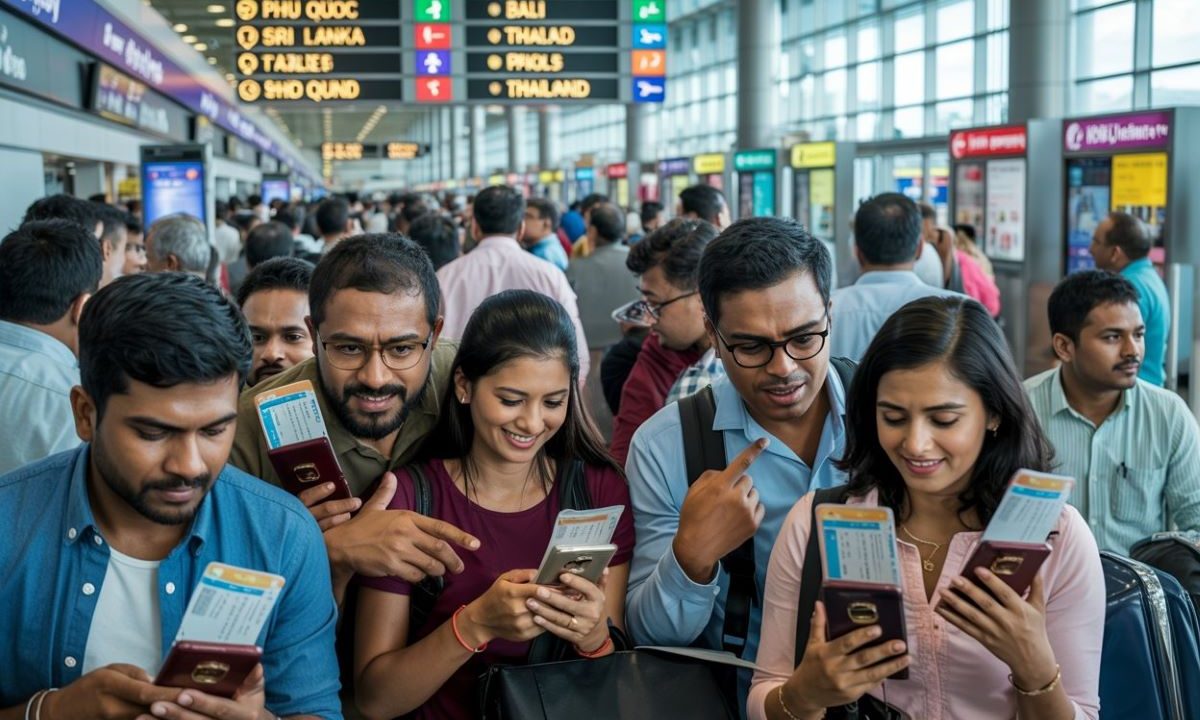
The Embassy of India in Hanoi has issued an official caution to Indian travellers planning trips to Phu Quoc Island in Vietnam, warning that the destination’s widely advertised visa-free policy comes with strict conditions that many holidaymakers simply aren’t aware of — and that ignoring those conditions can derail an entire vacation.
Phu Quoc has surged in popularity among Indian tourists in recent years, drawing visitors with its white-sand beaches, tropical climate, and the promise of hassle-free entry. But the reality of travelling there is more complicated than the brochures suggest, and 2026 may be the year Indian travellers need to rethink whether this island paradise is actually worth the risk.
The advisory from India’s diplomatic mission in Vietnam highlights specific passport-related issues and visa limitations that could catch unprepared travellers completely off guard — turning what should be a relaxing getaway into a stressful, costly ordeal.
What the Visa-Free Policy for Phu Quoc Actually Means
Phu Quoc currently offers visa-free entry to citizens of several countries, including India. On the surface, this sounds like a straightforward travel perk. But the embassy advisory makes clear that this exemption is not a blanket pass — it applies specifically to Phu Quoc Island and carries conditions tied to passport validity, permitted length of stay, and restrictions on travel beyond the island itself.
Travellers who arrive expecting the same freedom they’d have with a full Vietnamese visa are in for a rude awakening. The visa exemption is island-specific, meaning those who enter Phu Quoc under this arrangement cannot simply hop over to Ho Chi Minh City or Hanoi without obtaining proper documentation first. Many tourists are unaware of this limitation until they’re already on the ground.
The advisory also flags passport-related concerns — specifically that travellers with passports close to expiry or with limited blank pages may face entry complications. These are the kinds of details that get overlooked in the excitement of booking a beach holiday but can cause serious problems at immigration.
The Specific Risks Indian Travellers Are Being Warned About
The Embassy of India in Hanoi did not issue this advisory casually. Officials identified a pattern of issues affecting Indian tourists that warranted a formal public warning. The key concerns break down as follows:
- Visa scope restrictions: The Phu Quoc visa exemption does not extend to mainland Vietnam. Travellers entering under this policy are confined to the island for the duration of their stay.
- Passport validity requirements: As with most international destinations, Vietnam requires passports to be valid for a minimum period beyond the intended travel dates. Travellers with passports nearing expiry risk being denied entry.
- Limited blank pages: Immigration officers may refuse entry if a passport lacks sufficient blank pages for stamping.
- Hidden costs and tourist traps: Beyond the visa issues, the advisory points to broader concerns about the travel experience itself, including risks that can make Phu Quoc a more expensive and stressful destination than anticipated.
- Planning gaps: Many travellers book trips to Phu Quoc without fully researching the visa terms, only discovering the restrictions after arrival.
| Issue | What It Means for Travellers | Risk Level |
|---|---|---|
| Island-only visa exemption | Cannot travel to mainland Vietnam without a separate visa | High |
| Passport validity limits | Passports near expiry may be rejected at immigration | High |
| Insufficient blank pages | Entry can be denied if no pages are available for stamps | Medium |
| Lack of pre-trip research | Travellers discover restrictions only after arriving | Medium |
| Hidden travel costs | Destination may prove more expensive than expected | Medium |
Why This Warning Matters More Than It Might Seem
For Indian travellers, Phu Quoc has represented something genuinely appealing: an overseas beach destination that doesn’t require navigating a complicated visa application process. The visa-free entry was a major selling point, and travel operators have leaned into it heavily when marketing packages to Indian consumers.
But the embassy advisory cuts through that marketing. When a diplomatic mission formally warns its own citizens about a destination, it’s a signal that the problems are real and recurring — not isolated incidents. The fact that the advisory specifically addresses passport-related complications suggests officials have seen enough cases of Indians being turned away or stranded to justify a public statement.
The broader concern is also about value. Phu Quoc is not a budget destination by Southeast Asian standards. If travellers are flying internationally, paying resort prices, and then discovering they can’t visit the parts of Vietnam they’d planned to see — or worse, facing entry refusal — the financial and emotional cost can be significant.
Affordable Alternatives Worth Considering for 2026
The embassy advisory implicitly raises a question that many Indian travellers may now be asking: if Phu Quoc comes with this many caveats, are there better options for a tropical beach holiday in 2026?
While specific alternatives are flagged in the broader advisory context, the general direction is clear — destinations with simpler visa processes, fewer entry restrictions, and more transparent travel conditions may offer a smoother experience for Indian passport holders.
Thailand, Sri Lanka, and the Maldives all maintain varying degrees of visa-on-arrival or visa-free access for Indian citizens, with fewer of the island-specific restrictions that complicate a Phu Quoc trip. Each offers comparable beach experiences without the documentation risk that the embassy has now formally flagged.
What Indian Travellers Should Do Before Booking Anything
If Phu Quoc is still on your list for 2026, there are practical steps to take before committing to any booking. The embassy advisory makes the stakes clear — and the preparation is straightforward if you start early.
- Check your passport expiry date and ensure it has sufficient validity beyond your planned return date.
- Verify that your passport has enough blank pages for entry and exit stamps.
- Understand that the Phu Quoc visa exemption does not permit travel to mainland Vietnam — plan your itinerary accordingly.
- If you want to visit Ho Chi Minh City or Hanoi as part of the same trip, apply for a full Vietnamese e-visa before departure.
- Contact the Embassy of India in Hanoi or check official government travel advisories for the most current information before finalising plans.
Frequently Asked Questions
Can Indian tourists visit Phu Quoc without a visa in 2026?
Yes, but the visa exemption is specific to Phu Quoc Island and comes with strict conditions, including passport validity requirements and restrictions on travel to mainland Vietnam.
Who issued the official warning about Phu Quoc for Indian travellers?
The Embassy of India in Hanoi issued the formal advisory cautioning Indian tourists about visa limitations and passport-related issues at Phu Quoc.
Can I travel from Phu Quoc to mainland Vietnam on the visa-free exemption?
No. The visa exemption applies only to Phu Quoc Island. Travelling to mainland Vietnam requires a separate Vietnamese visa obtained before or during your trip.
What passport requirements should I check before visiting Phu Quoc?
You should ensure your passport has sufficient validity beyond your travel dates and enough blank pages for immigration stamps, as either issue can result in entry being denied.
Are there affordable alternative destinations for Indian tourists instead of Phu Quoc?
The advisory context suggests that alternative destinations with simpler visa processes may offer a less complicated travel experience for Indian passport holders in 2026, though specific alternatives have not been officially confirmed in the embassy statement.
Where can I find the most current official travel guidance for Phu Quoc?
Indian travellers should consult the Embassy of India in Hanoi and official Indian government travel advisory channels for the most up-to-date information before booking.



Leave a Reply