
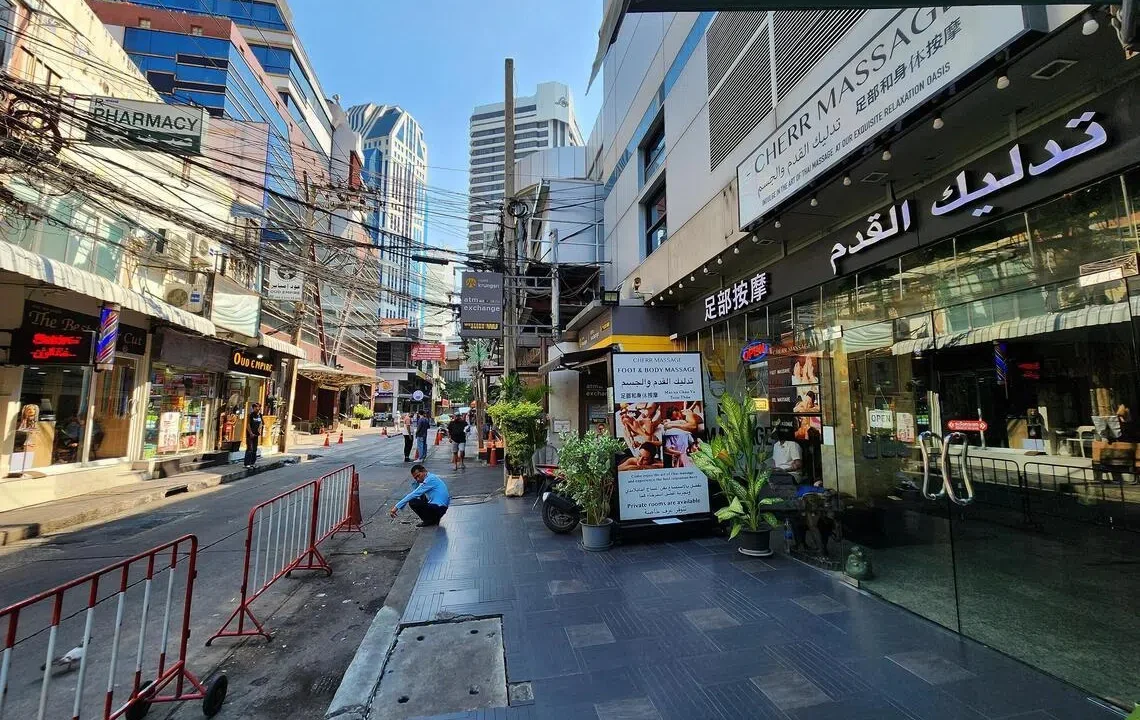
Some of the most visited holiday destinations in the world — Cyprus, Greece, Turkey, Egypt, and Thailand — are facing a serious tourism downturn as the ongoing Iran conflict, which began escalating in February 2026, sends waves of anxiety through the global travel market. The fallout is being felt across airlines, hotel chains, and the millions of workers whose livelihoods depend on a healthy tourist season.
Major carriers including EasyJet, Aegean Airlines, and Qatar Airways are managing mass flight cancellations and grappling with safety concerns, while hotel giants Marriott and Hilton are reporting significant booking drops across these once-thriving destinations. For countries like Cyprus and Greece, where tourism underpins a large share of the economy, the timing could not be worse — peak season is fast approaching.
The shift is not subtle. Travellers are actively redirecting their plans toward regions perceived as safer, leaving Mediterranean and Middle Eastern hotspots with a growing problem: empty rooms, cancelled flights, and a hospitality sector under real financial strain.
Why the Iran Conflict Is Reshaping Global Travel Patterns
When a regional conflict intensifies, its effects rarely stay contained. The Iran conflict has created a ripple effect that stretches far beyond the immediate combat zone, reaching popular tourist destinations that travellers now associate — fairly or not — with regional instability.
The concern is partly geographic and partly psychological. Destinations like Cyprus, Greece, and Egypt sit within a broader regional orbit that anxious travellers are choosing to avoid entirely. Even Thailand, which sits considerably further away from the conflict zone, is reportedly seeing the effects — a sign of how broadly traveller confidence has been shaken.
Airlines are responding to both reduced demand and legitimate safety concerns. Flight cancellations disrupt not just individual travel plans but the entire ecosystem of tourism: tour operators, local transport providers, restaurant owners, and hotel staff all feel the pressure when passenger numbers fall sharply.
Which Airlines and Hotels Are Directly Affected
The disruption is touching some of the biggest names in global travel. Here is what is confirmed based on available information:
- EasyJet — managing flight cancellations and responding to safety concerns on affected routes
- Aegean Airlines — facing disruption across Mediterranean routes tied to the conflict’s fallout
- Qatar Airways — scrambling to manage cancellations and passenger safety questions
- Marriott — reporting notable booking drops across affected destinations
- Hilton — similarly experiencing a decline in reservations as traveller anxiety grows
| Destination | Sector Affected | Key Impact |
|---|---|---|
| Cyprus | Tourism / Hospitality | Peak season threatened, significant booking decline |
| Greece | Tourism / Aviation | Reduced visitor numbers, Aegean Airlines disruption |
| Turkey | Tourism / Hospitality | Safety fears driving travellers to alternative destinations |
| Egypt | Tourism / Aviation | Flight cancellations and mass booking drops reported |
| Thailand | Tourism / Hospitality | Booking drops despite distance from conflict zone |
The Real-World Impact on Destinations and Travellers
For countries like Cyprus and Greece, tourism is not a luxury industry — it is a economic foundation. When bookings collapse heading into peak season, the consequences spread quickly through local economies. Hotels reduce staffing, restaurants see fewer covers, and small businesses that depend on tourist footfall face an uncertain summer.
Travellers who had already booked holidays to these destinations are now caught in a difficult position. Flight cancellations mean disrupted plans, potential financial losses, and the stress of rebooking. Those who have not yet committed are increasingly choosing to look elsewhere — at destinations in northern Europe, the Americas, or Southeast Asian countries not yet caught in the same anxiety spiral.
The hospitality sector’s turmoil is particularly acute because it compounds existing pressures. Marriott and Hilton properties in affected regions are not just managing fewer guests — they are doing so while facing the same fixed operating costs, meaning the financial hit is direct and immediate.
For airlines, the calculus involves both safety and commercial viability. A route that loses enough passengers quickly becomes economically unsustainable, which can lead to further cancellations — creating a feedback loop that makes recovery harder even once safety concerns ease.
What Happens Next for Affected Destinations
The path forward depends largely on how the Iran conflict develops. If the situation stabilises, traveller confidence could recover — but the hospitality and aviation sectors have learned from past regional crises that recovery is rarely instant. Destinations can lose an entire season even after the underlying threat has passed, simply because travellers have already committed their holiday budgets elsewhere.
Tourism boards and national governments in Cyprus, Greece, Turkey, Egypt, and Thailand will likely need to mount aggressive reassurance campaigns to rebuild confidence. Airlines will be watching load factors closely before restoring cancelled routes, meaning some destinations could see reduced connectivity even as safety improves.
For travellers currently planning summer 2026 trips, the practical advice is to monitor airline and government travel advisories closely, understand the cancellation and refund terms on any bookings made, and consider travel insurance that covers conflict-related disruption specifically.
The broader picture is a reminder of how interconnected global tourism has become — and how quickly a regional crisis can reshape where millions of people choose to spend their holidays.
Frequently Asked Questions
Which airlines are affected by the Iran conflict flight cancellations?
EasyJet, Aegean Airlines, and Qatar Airways are among the carriers managing mass flight cancellations and safety concerns linked to the ongoing conflict.
Which hotel chains are reporting booking drops?
Marriott and Hilton have both been identified as facing significant booking declines across the affected destinations.
Which destinations are most impacted by the tourism downturn?
Cyprus, Greece, Turkey, Egypt, and Thailand are all experiencing notable declines in visitor numbers and bookings as a result of traveller anxiety.
When did the Iran conflict begin causing tourism disruption?
The conflict began escalating in February 2026, and its impact on the travel industry has grown significantly since then.
Why is Thailand affected if it is far from the conflict zone?
Thailand’s inclusion suggests that broader traveller anxiety — rather than direct proximity to the conflict — is driving booking drops across multiple regions simultaneously.
Is there any confirmed timeline for when bookings might recover?
This has not yet been confirmed. Recovery will depend on how the conflict develops and how quickly traveller confidence can be restored in the affected destinations.


Leave a Reply