
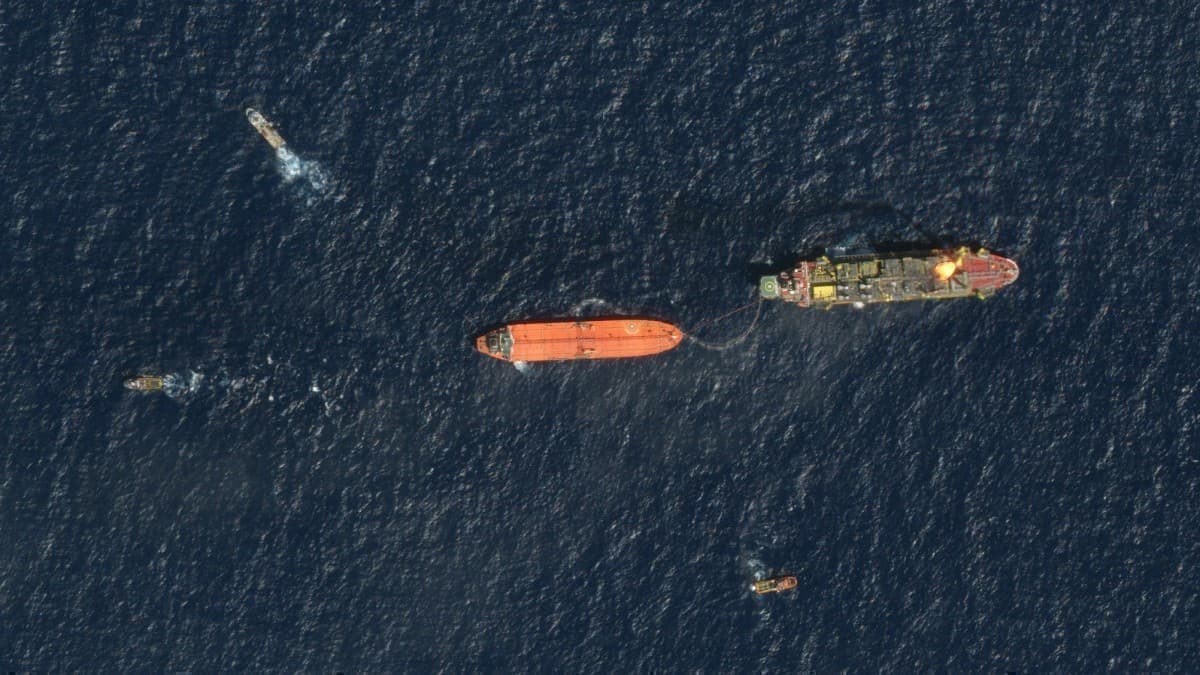
A network of oil tankers operating in the shadows of global trade is quietly driving up the cost of your next vacation — and most travelers have no idea it’s happening.
Iran’s so-called “shadow fleet” — a collection of tankers operating under deliberately opaque ownership structures to sidestep international sanctions — has become an increasingly significant presence in Southeast Asian waters. While these vessels don’t make headlines the way a flight cancellation or a hotel price surge might, analysts and industry observers argue their presence in critical maritime corridors is creating real, measurable disruptions for the global tourism industry.
The connection between hidden oil tankers and your travel budget may not be obvious at first. But when shipping lanes face pressure, the entire logistics chain behind modern travel — fuel costs, freight rates, supply chains for hotels and resorts — starts to feel the strain.
What Iran’s Shadow Fleet Actually Is — and Where It Operates
The term “shadow fleet” refers to tankers that move sanctioned oil through deliberately complicated ownership and registration arrangements, making it difficult for regulators and enforcement agencies to track their cargo or hold their operators accountable. These aren’t rogue vessels in the traditional sense — they operate continuously, often in plain sight on maritime tracking systems, but under flags of convenience and shell company ownership that obscures who is ultimately profiting.
In Southeast Asia, these vessels have been reported operating along some of the world’s most strategically important shipping routes, including the Strait of Malacca — a narrow corridor between Malaysia, Singapore, and Indonesia through which an enormous share of global trade passes every single day.
The Strait of Malacca is not just an oil route. It is a critical artery for goods, tourism infrastructure, and aviation fuel supply chains across the entire Asia-Pacific region. Any sustained pressure on traffic through this corridor — whether from enforcement actions, insurance complications, or the risk of incidents involving unregulated vessels — can ripple outward in ways that eventually reach consumers.
How Shipping Tensions Translate Into Higher Travel Costs
The link between maritime disruption and tourism costs runs through several channels, and none of them are simple. Here is how the pressure tends to build:
- Fuel price volatility: Shadow fleet activity complicates global oil market transparency, contributing to price uncertainty that affects aviation fuel costs — one of the largest operating expenses for airlines.
- Freight rate increases: When legitimate shipping operators face heightened risk in specific corridors, insurance premiums rise and freight rates follow. Hotels, resorts, and tourism operators that import goods absorb those costs and pass them on.
- Aviation network adjustments: Geopolitical tension in key maritime zones can prompt airlines to reassess routes, scheduling, and regional capacity — all of which affects ticket prices and connectivity.
- Supply chain delays: Tourism infrastructure across Southeast Asia depends on imported goods. When shipping becomes more expensive or uncertain, the cost of running a hotel, cruise operation, or resort increases accordingly.
| Factor | How It Connects to Shadow Fleet Activity | Tourism Impact |
|---|---|---|
| Opaque vessel ownership | Complicates enforcement and raises corridor risk | Higher marine insurance costs passed to operators |
| Strait of Malacca traffic | Critical chokepoint under increased operational pressure | Supply chain delays for Southeast Asian tourism hubs |
| Sanctions evasion activity | Distorts regional oil pricing and market transparency | Fuel cost volatility affecting airline ticket prices |
| Geopolitical uncertainty | Prompts shipping and aviation risk reassessments | Potential route changes and reduced regional connectivity |
The Travelers and Destinations Most Likely to Feel It
Southeast Asia’s tourism economy is deeply integrated with global shipping. Countries like Thailand, Malaysia, Indonesia, Vietnam, and Singapore depend on maritime trade not just for energy, but for the food, construction materials, electronics, and luxury goods that keep their hospitality industries running.
Travelers heading to the region — or flying routes that pass through Asia-Pacific airspace — are among those most exposed to the downstream effects of shadow fleet disruption. But the impact doesn’t stop at regional borders. Because the Strait of Malacca handles such a vast share of global shipping volume, price shocks originating there can spread to tourism markets far beyond Southeast Asia.
Cruise operators, budget airlines, and tour package providers that run on thin margins are particularly vulnerable. When their input costs rise — whether through fuel surcharges, freight increases, or supply chain delays — those costs find their way into the prices consumers pay, often without a clear explanation attached.
Observers note that the average traveler rarely connects a modest increase in a resort’s daily rate or an airline fuel surcharge to events unfolding in distant shipping lanes. But the connection is real, even when it’s invisible.
What Comes Next for Global Tourism and Maritime Security
The trajectory of Iran’s shadow fleet operations remains tied to the broader geopolitical environment surrounding international sanctions enforcement. As long as enforcement mechanisms remain difficult to apply consistently — particularly in waters where jurisdiction is complex — shadow fleet activity is unlikely to disappear quickly.
For the tourism industry, that means continuing to manage a layer of cost uncertainty that sits outside the control of any individual operator or destination. Industry observers suggest that transparency in maritime trade, stronger international coordination on sanctions enforcement, and investment in alternative supply chain resilience could all help buffer the tourism sector from the worst effects.
For travelers, the practical message is straightforward: geopolitical developments that seem distant have a genuine, if indirect, habit of showing up in your travel budget. Booking flexibility, travel insurance, and awareness of regional instability are more relevant than ever when planning trips to Southeast Asia and beyond.
Frequently Asked Questions
What is Iran’s shadow fleet?
It refers to a network of oil tankers that operate under opaque ownership structures designed to bypass international sanctions, making it difficult to track their cargo or hold operators accountable.
Why does the shadow fleet affect tourism costs?
Shadow fleet activity in critical maritime corridors contributes to shipping disruptions, freight rate increases, and fuel price volatility — all of which raise costs for airlines, hotels, and tour operators that are then passed on to travelers.
Which shipping route is most affected?
The Strait of Malacca, a major chokepoint between Malaysia, Singapore, and Indonesia, is among the strategic routes where shadow fleet vessels have been reported operating.
Which travelers are most exposed to these disruptions?
Those traveling to or through Southeast Asia face the most direct exposure, though the broader effects of shipping cost increases can spread to tourism markets globally.
Is the shadow fleet situation expected to improve soon?
This has not been confirmed by
What can travelers do to protect themselves?
Maintaining booking flexibility and securing travel insurance are practical steps that can help travelers manage uncertainty stemming from geopolitical and logistical disruptions in key regions.



Leave a Reply