
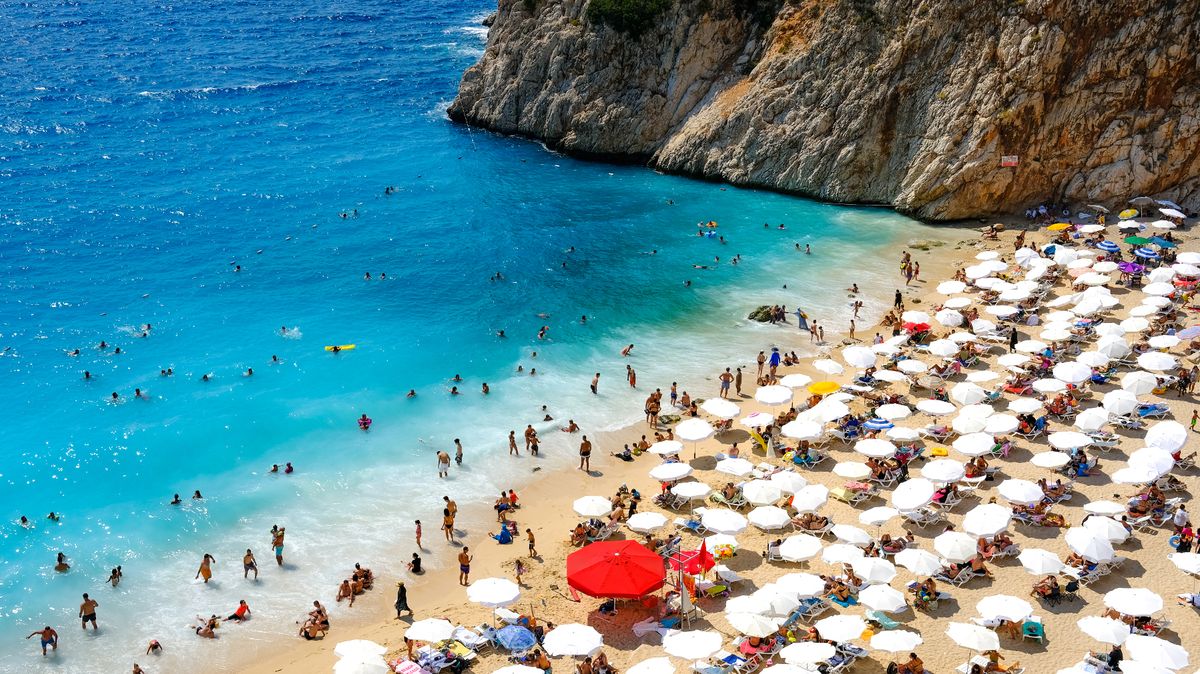
Turkey’s government isn’t waiting for travellers to figure things out on their own. With summer 2026 fast approaching and unease spreading about regional instability in the Middle East, Turkish tourism authorities have stepped forward with a clear, direct message: Istanbul, Antalya, and Bodrum are fully open, fully operational, and ready for business.
The Ministry of Culture and Tourism of the Republic of Turkey and the Türkiye Tourism Promotion and Development Agency (TGA) have jointly confirmed that tourism activities are continuing normally across the entire country. Their message is aimed squarely at the travel agents, tour operators, and holidaymakers — particularly in the UK and Ireland — who are still sitting on the fence about summer bookings.
The urgency is real. Peak season waits for no one, and with regional tensions creating confusion about which destinations are safe, Turkey’s authorities are making the case that hesitation could mean missed holidays and missed opportunities.
Why Turkey Is Drawing a Clear Line Between Itself and the Middle East
The concern building among travellers is understandable. Conflict affecting parts of the Middle East has created a broad, generalised anxiety about the wider region — and Turkey, sitting at the crossroads of Europe and Asia, has sometimes been caught in that perception problem despite being geographically and politically separate from the affected areas.
Turkish authorities have been explicit on this point: Turkey is not involved in the current conflict affecting certain parts of the Middle East. The joint statement from the Ministry of Culture and Tourism and the TGA is designed to cut through that confusion before it costs the country a critical summer season.
Officials have noted that the country’s major tourism destinations remain entirely unaffected by regional tensions, and that normal operations — flights, hotels, tours, and all visitor services — are running without any disruption whatsoever.
What Travellers Need to Know About Istanbul, Antalya, and Bodrum Right Now
These three destinations sit at the heart of Turkey’s tourism appeal, and each draws a distinct type of traveller. Here’s what is confirmed about their current status:
- Istanbul — Turkey’s most visited city, bridging Europe and Asia, is fully open and welcoming tourists. Cultural sites, transport links, and hospitality infrastructure are operating normally.
- Antalya — The Mediterranean resort hub that draws millions of package holiday travellers every year, particularly from the UK, is fully operational ahead of the peak summer season.
- Bodrum — The Aegean coastal destination favoured by luxury travellers and sailing enthusiasts is open and ready, with no disruption to services or access.
The authorities’ message is not just reassurance — it’s a call to act. Travel agents and operators are being urged to book now, before the window for peak summer availability narrows further.
| Destination | Type of Tourism | Current Status |
|---|---|---|
| Istanbul | Cultural, city breaks, business | Fully open, normal operations |
| Antalya | Beach, package holidays, resorts | Fully open, normal operations |
| Bodrum | Luxury, sailing, Aegean coastal | Fully open, normal operations |
Who This Matters Most to — and Why the Timing Is Critical
The announcement is particularly targeted at travellers from the UK and Ireland, two of Turkey’s most significant source markets. These are audiences where travel anxiety about the broader Middle East region has been building steadily, and where last-minute booking habits can be dramatically influenced by perceived safety concerns.
For travel agents and tour operators, the stakes are even higher. Summer packages to Turkey represent a major portion of Mediterranean holiday inventory, and uncertainty — even unfounded uncertainty — can cause booking pipelines to stall. The joint statement from Turkish authorities is as much a trade communication as it is a public one.
For individual holidaymakers, the practical message is straightforward: if you’ve been holding off on booking Turkey this summer because of vague concerns about regional instability, the Turkish government’s position is that those concerns do not apply to its territory or tourism infrastructure.
The Bigger Picture for Eastern Mediterranean Travel in 2026
Turkey’s proactive communications campaign reflects a broader pattern playing out across the eastern Mediterranean. Destinations that sit near — but are not part of — zones of conflict face a particular challenge: guilt by geographic association. Travellers scrolling through news headlines don’t always distinguish between countries with precision, and a general sense of “that part of the world feels unstable” can suppress bookings across an entire region.
Turkey has clearly decided that silence is not a strategy. By issuing a direct, government-level reassurance and specifically naming its top three destinations, authorities are trying to interrupt the anxiety cycle before it takes hold in the summer 2026 booking market.
Officials have emphasised that the window for securing peak season travel is narrowing, and that those who delay decisions risk losing availability at the most sought-after resorts and hotels across Antalya, Bodrum, and Istanbul.
What Happens Next for Summer 2026 Bookings
The immediate next step, according to Turkish tourism authorities, is simple: book now. The message from both the Ministry of Culture and Tourism and the TGA is that summer 2026 availability is live, Turkey is ready, and the time for decision-making is now — not after the Easter holiday rush, and not when peak-season slots have already filled.
Travel agents are being encouraged to communicate this clarity to their clients, using the official government confirmation as a basis for reassurance. For travellers planning independently, the message is equally direct — regional tensions elsewhere in the Middle East do not affect Turkey’s tourism operations, and the country’s most popular destinations are as accessible as they have ever been.
Whether the campaign succeeds in converting hesitant travellers into confirmed bookings will become clear over the coming weeks, as the industry moves into its critical pre-summer sales period.
Frequently Asked Questions
Is Turkey safe to visit in summer 2026?
According to a joint statement from Turkey’s Ministry of Culture and Tourism and the TGA, tourism activities are continuing normally across the entire country, with no disruption linked to regional tensions.
Are Istanbul, Antalya, and Bodrum fully open to tourists?
Yes. Turkish authorities have confirmed that all three destinations are fully open and operating normally ahead of the summer 2026 season.
Does the Middle East conflict affect travel to Turkey?
Turkish authorities have stated explicitly that Turkey is not involved in the conflict currently affecting certain parts of the Middle East, and that its tourism infrastructure is unaffected.
Which travellers is Turkey’s message aimed at?
The reassurance campaign is particularly directed at travellers from the UK and Ireland, identified as key source markets where booking hesitation has been growing.
Who issued the official statement about Turkey being open?
The statement was issued jointly by the Ministry of Culture and Tourism of the Republic of Turkey and the Türkiye Tourism Promotion and Development Agency (TGA).
Is now a good time to book a Turkey holiday?
Turkish tourism authorities are actively urging travellers and agents to book now, warning that peak season availability is limited and the booking window is narrowing.


Leave a Reply