
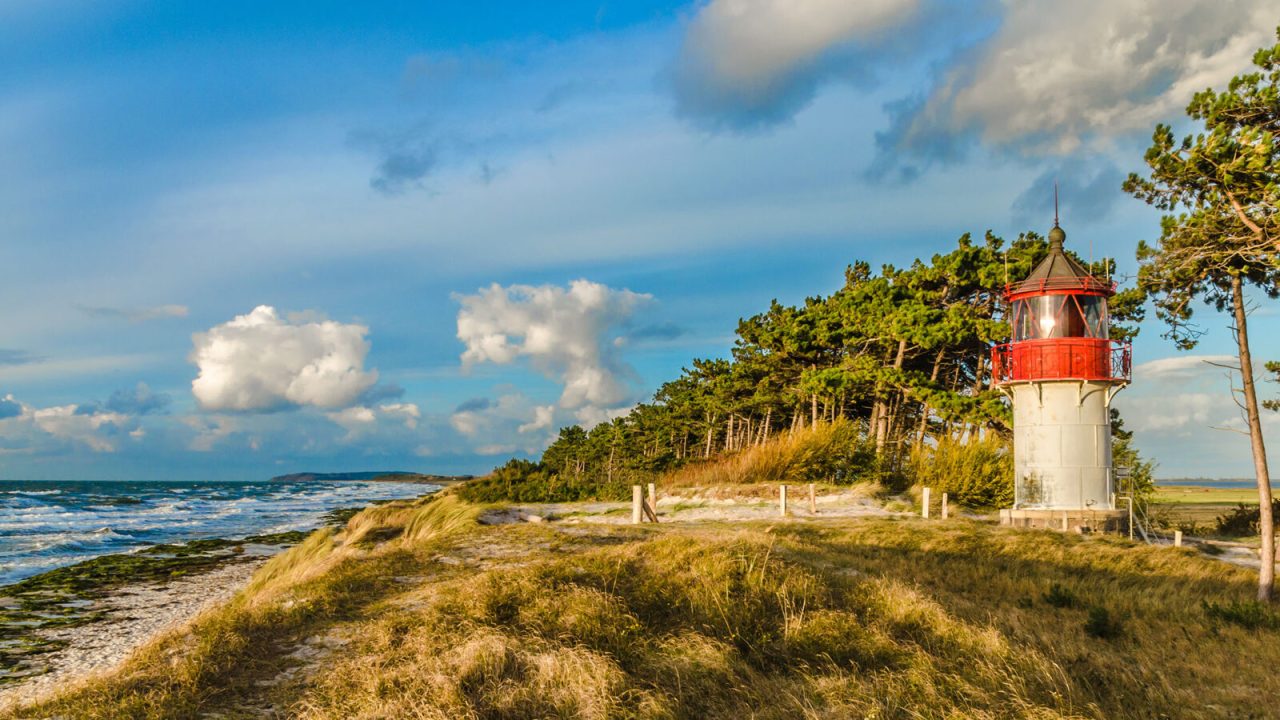
Only 14 apartments exist in the entire property. That number is deliberate, and it tells you everything about what Brionj Luxury Hotel Collection is attempting with The Baltic View, its first German outpost, opening April 2026 on Rügen Island.
Perched above Sellin’s iconic pier, the property offers panoramic views of the Baltic Sea and up to 160 square meters of living space per apartment. Every unit faces the water. None of this is accidental.
But the arrival of ultra-premium boutique hospitality on Germany’s most beloved coastal island has sparked a genuine debate. Is this the future of European seaside travel? Or is it a gilded intrusion into a destination that has long welcomed everyone?
The Setup: A Small Hotel, A Big Argument
Rügen Island is Germany’s largest island and one of its most visited natural destinations. It draws millions of visitors annually, from families in chalk-cliff hiking boots to retirees seeking the slow rhythm of the Baltic coast.
The arrival of a property like The Baltic View, described by Brionj as offering “Tailor Made Luxury, contemporary design, privacy and 5-star service,” raises a pointed question. Should a destination with deep roots in accessible, democratic tourism embrace ultra-exclusive hospitality models?
The debate splits roughly into two camps. One side argues that boutique luxury elevates a destination, attracts high-spending visitors, and funds conservation and infrastructure. The other argues it accelerates gentrification, prices out locals and mid-range travelers, and transforms authentic places into curated backdrops for the wealthy.
| Factor | The Baltic View | Standard Rügen Accommodation |
|---|---|---|
| Unit Count | 14 apartments | Dozens to hundreds of rooms |
| Max Living Space | 160 sq meters per unit | Typically 25–60 sq meters |
| Sea Views | All units, panoramic | Varies widely |
| Service Model | 5-star, tailor-made | Standard hotel or self-catering |
| Target Guest | High-net-worth, privacy-seeking | Broad demographic |
Side A: The Case for Boutique Luxury on the Baltic
Proponents of The Baltic View argue that premium hospitality is not inherently exclusionary. It is additive. A 14-unit property does not displace anyone. It occupies a niche that previously sent wealthy German and international travelers to the French Riviera, the Amalfi Coast, or the Adriatic.
The Brionj collection is deliberately small-scale. Its upcoming Croatian property, Venari Lodges near the Plitvice Lakes region, is also boutique, targeting “guests seeking high-end” wilderness experiences. The brand’s philosophy centers on intimacy over volume.
“Perched above Sellin’s iconic pier, the Baltic View redefines seaside living with elegant apartments and panoramic views of the Baltic Sea.”
— Grand Met Hotels, on The Baltic View
There is also an economic argument. High-end travelers spend significantly more per visit than budget tourists. They patronize local restaurants, hire private guides, and purchase regional products. A single luxury guest can generate more local economic activity than several budget travelers combined.
Architectural and design quality matters too. Properties that invest in contemporary, thoughtful design raise the visual and experiential standard of a destination. The Baltic View’s positioning above Sellin’s famous pier, one of Germany’s most photographed coastal landmarks, means its design choices will be visible and influential.
Finally, scarcity itself is a conservation tool. A property with 14 units generates far less environmental pressure than a 200-room resort. Fewer guests mean less water use, less waste, and a lighter footprint on a protected coastal ecosystem.
Side B: The Case Against Premium Enclosure of Public Coastlines
Critics push back hard on the idea that boutique luxury is neutral or benign. The concern is not the 14 apartments themselves. It is what they signal and what follows them.
When a luxury brand stakes a claim on an iconic coastal spot, property values in the surrounding area tend to rise. Local businesses reorient toward wealthier clientele. The character of a place shifts, sometimes irreversibly.
Rügen has a specific cultural identity rooted in accessibility. The island’s chalk cliffs, the Jasmund National Park, and the historic seaside resorts like Sellin were built around the idea that coastal beauty belongs to everyone. The promenade at Sellin, with its famous pier, is a public space. Positioning a private luxury collection directly above it carries symbolic weight.
There is also a staffing and labor question. Premium hospitality requires skilled, well-compensated staff. In smaller island communities, this can create wage competition that disrupts existing local businesses. Workers may leave family-run guesthouses for better-paying luxury positions, hollowing out the mid-market hospitality sector.
Critics also question the “tailor-made luxury” framing. When a hotel explicitly markets privacy and exclusivity as core values, it is, by definition, designing an experience that separates guests from the surrounding community. The destination becomes a backdrop rather than a living place.
The Data: What We Actually Know About Luxury Tourism’s Impact
The global luxury hotel market is not slowing down. Properties like the President Wilson Hotel in Geneva charge up to $80,000 per night. The Palms Casino Resort in Las Vegas reaches $100,000 per night for its top suites. The Baltic View is not competing at that tier, but it is part of the same directional trend: smaller, more private, more expensive.
What research on boutique luxury tourism consistently shows is that impact depends heavily on ownership structure and community integration. Locally owned or locally managed luxury properties tend to circulate more revenue within the destination. Internationally managed chains tend to export profits.
Brionj’s management agreement model, as seen with the upcoming Venari Lodges in Croatia, suggests a partnership approach rather than direct ownership. This can mean more local economic benefit, but it also means the brand’s standards and aesthetic vision dominate the property’s identity.
The Baltic View’s April 2026 opening places it at the start of Germany’s coastal high season. Early occupancy data and guest spending patterns will be the first real test of whether the property’s premium positioning translates into genuine local economic benefit.
Verdict: Luxury Has a Place Here, But So Does Accountability
The Baltic View is a well-conceived property entering a destination that can absorb it. Fourteen apartments above Sellin’s pier will not overwhelm Rügen. The island’s scale, its national park, its long coastline, all of this provides context that prevents a single boutique hotel from defining the destination.
But the critics are not wrong to watch closely. The Brionj collection is expanding. A Croatian wilderness resort follows in 2027. The brand is building a portfolio, and portfolios have momentum. The question is not whether The Baltic View itself causes harm. The question is what precedent it sets and whether the local community of Sellin and Rügen has a meaningful voice in how that precedent develops.
Boutique luxury done well, with genuine community integration, transparent economic benefit, and architectural respect for place, is a net positive for coastal destinations. Done poorly, it is a slow erasure of the qualities that made the destination worth visiting in the first place.
The Baltic View has the design quality and the brand philosophy to do this well. Whether it follows through is the story worth watching.
Implications: What This Debate Means for Coastal Travel in Europe
The Baltic View is not an isolated case. Across Europe, coastal destinations are navigating the same tension. The Adriatic, the Aegean, the Atlantic coast of Portugal, all are seeing boutique luxury properties arrive in places previously defined by accessible, democratic tourism.
The Brionj collection’s expansion, from Germany to Croatia, suggests a broader strategy of identifying underserved luxury markets in destinations with natural or cultural prestige. Rügen fits that profile precisely. It has the landscape, the history, and the existing visitor infrastructure. It lacked the premium tier.
For travelers, the debate clarifies a choice that is increasingly unavoidable. Choosing where to stay is no longer just a comfort decision. It is a statement about what kind of tourism economy you want to support.
For destinations like Rügen, the arrival of The Baltic View is an opportunity to demonstrate that luxury and accessibility can coexist. But that coexistence requires active management, not passive optimism.
The Baltic Sea has been shaping and reshaping the coastlines it touches for millennia. The question is whether the hospitality industry can show even a fraction of that patience.




Leave a Reply