
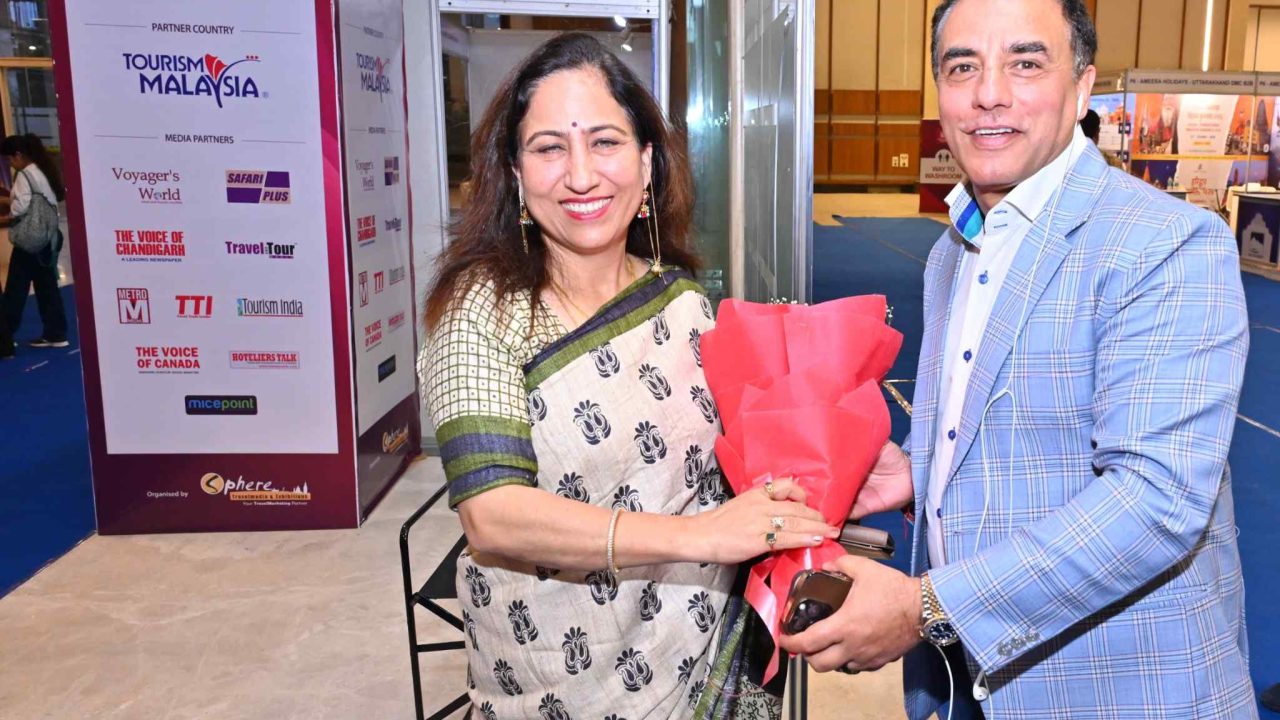
Jammu & Kashmir Tourism arrived at one of India’s most prominent travel trade events not just as an exhibitor, but as the designated Partner State — a distinction that placed the region front and centre for thousands of travel professionals and holidaymakers from across eastern India.
The India International Travel Mart (IITM) in Kolkata, held at the Biswa Bangla Convention Centre, became a key platform for J&K Tourism to make its case directly to the eastern Indian market. The pavilion drew strong footfall, with travel industry professionals and curious visitors engaging actively with the displays and the officials on hand.
Senior officials Rashmi Deepika Razdan and Peer Zahid Ahmad led the delegation, lending the department’s presence a level of seriousness and institutional weight that resonated with trade partners. Their participation signalled that this wasn’t a routine appearance — it was a deliberate push to grow tourist inflow from a region that represents enormous untapped potential for Kashmir and Jammu.
Why Eastern India Matters So Much for J&K Tourism Right Now
Eastern India — anchored by Kolkata and its vast hinterland across West Bengal, Odisha, Bihar, and the northeastern states — represents a large and growing segment of India’s domestic travel market. Historically, this region has shown strong interest in hill destinations, spiritual tourism, and nature travel. Jammu & Kashmir ticks all of those boxes and more.
By choosing to participate in IITM Kolkata as Partner State rather than a standard exhibitor, the department made a clear strategic statement. It wanted to be seen as a priority destination, not just one option among many. That positioning matters when travel agents and tour operators are deciding which packages to build and which destinations to promote to their clients.
The pavilion showcased a wide tourism portfolio, giving visitors and trade professionals the chance to explore the full range of destinations and experiences the region offers — from the iconic landscapes of the Kashmir Valley to the religious and cultural draw of the Jammu region, and the adventure offerings that span both.
What the J&K Tourism Pavilion Actually Offered Visitors
The pavilion wasn’t simply a branding exercise. It was designed to inform and convert — giving travel professionals the tools and knowledge to actively sell J&K as a destination, and giving potential tourists a compelling reason to consider it for their next trip.
| Element | Details |
|---|---|
| Event | India International Travel Mart (IITM) Kolkata 2026 |
| Venue | Biswa Bangla Convention Centre, Kolkata |
| J&K Role | Partner State — elevated visibility at the event |
| Key Officials | Rashmi Deepika Razdan and Peer Zahid Ahmad |
| Focus | Diverse travel portfolio, trade partnerships, eastern India outreach |
| Target Audience | Travel professionals and tourists from eastern India |
The department used the event to build trade partnerships — a practical outcome that goes beyond awareness. When travel agents and tour operators form working relationships with a destination’s tourism board, it translates directly into packages being created, promoted, and sold. That’s the commercial pipeline that drives actual tourist numbers.
The Real-World Impact for Travellers and the Trade
For travellers from eastern India, this kind of active outreach means more options. When J&K Tourism builds relationships with Kolkata-based travel agents and operators, those businesses are more likely to design dedicated J&K packages tailored to the preferences and travel patterns of eastern Indian tourists — whether that means group pilgrimage tours to Vaishno Devi, family holidays in Gulmarg, or adventure trips to Pahalgam and Sonamarg.
For the travel trade, the IITM appearance offered direct access to official information, promotional materials, and the kind of institutional backing that helps agents sell with confidence. Having senior officials present — rather than junior representatives — also opened the door to higher-level conversations about trade support, familiarisation trips, and collaborative marketing.
For the broader tourism economy of Jammu & Kashmir, increased inflow from eastern India could provide meaningful diversification. Domestic tourism from different regional markets helps smooth seasonal fluctuations and reduces dependence on any single source market.
What Comes Next for J&K Tourism’s Market Outreach
The IITM Kolkata appearance appears to be part of a wider, deliberate strategy by J&K Tourism to strengthen its presence in markets that may have been underserved in previous years. Travel trade events like IITM provide a concentrated opportunity to reach industry decision-makers in a single venue — making them highly efficient for departments looking to maximise their outreach impact.
The partnerships and connections formed at the Kolkata event are likely to mature into concrete travel products over the coming months, with the 2026 travel season providing the first real test of whether the outreach translates into measurable increases in visitor numbers from the east.
Officials have indicated the department is focused on showcasing the full diversity of J&K’s offerings — not just the most familiar names — which suggests an effort to expand the destination’s appeal beyond its most iconic sites and attract a broader range of travellers.
Frequently Asked Questions
What is IITM Kolkata?
IITM stands for India International Travel Mart, a major travel trade event. The 2026 Kolkata edition was held at the Biswa Bangla Convention Centre.
What role did Jammu & Kashmir Tourism play at the event?
J&K Tourism participated as Partner State, which gave the department elevated visibility compared to standard exhibitors at the event.
Who represented J&K Tourism at IITM Kolkata 2026?
Senior officials Rashmi Deepika Razdan and Peer Zahid Ahmad led the delegation on behalf of the department.
Why is eastern India a target market for J&K Tourism?
Eastern India represents a large domestic travel market, and J&K Tourism is actively working to increase tourist inflow from that region in 2026.
What did the J&K Tourism pavilion focus on?
The pavilion showcased a wide tourism portfolio covering diverse destinations and experiences, while also focusing on building trade partnerships with travel professionals.
Will this lead to more J&K holiday packages for eastern Indian travellers?
Building trade partnerships at events like IITM typically leads to the creation of destination-specific packages — though specific package announcements from this event have not yet been confirmed.

Leave a Reply