
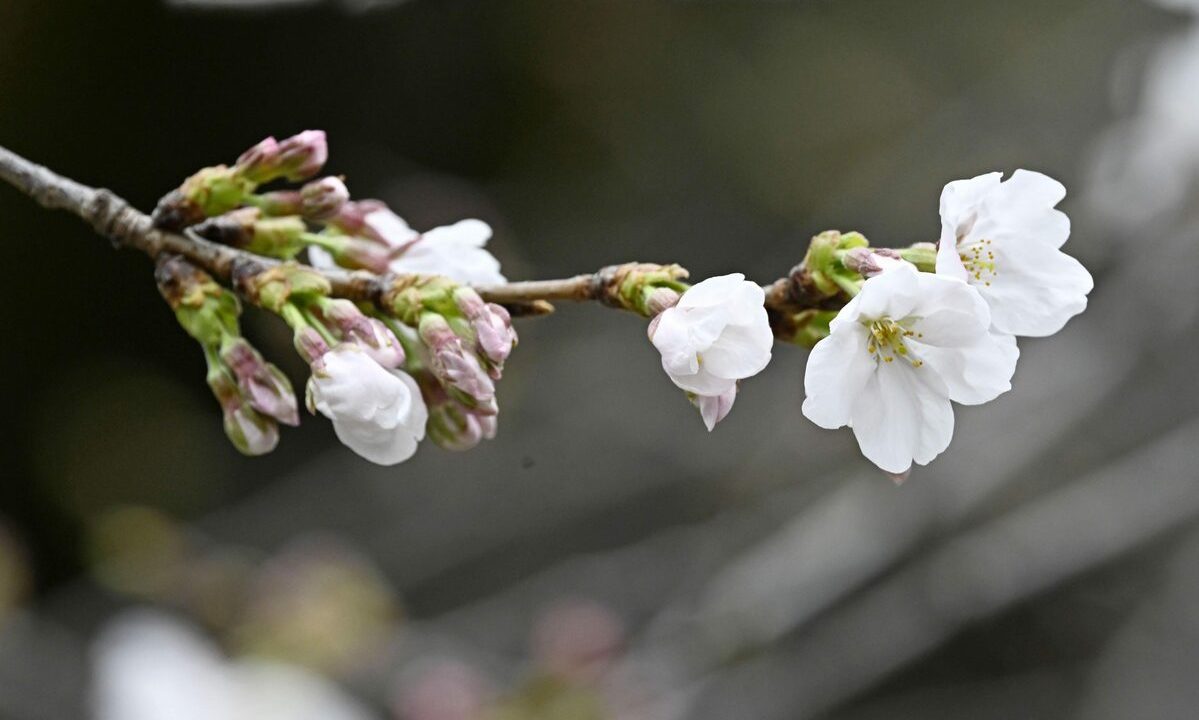
Tokyo’s cherry blossoms arrived five days ahead of schedule in 2026 — and the city was not ready for them. Parks filled up almost overnight, travel plans made weeks in advance suddenly felt out of sync, and a beloved annual tradition unfolded at a pace that felt just slightly out of anyone’s control.
The Japan Meteorological Agency officially declared the start of Tokyo’s cherry blossom season on 19 March 2026, after inspecting its benchmark Somei Yoshino tree at Yasukuni Shrine. That date put the blossoms nearly a week earlier than many visitors had anticipated, catching tourists, locals, and park authorities alike in a scramble to keep up with nature’s timeline.
What followed was something between a celebration and a logistical challenge — blue tarps staked out across parks, bento boxes shared under pink canopies, and phones raised toward skies filled with blossoms that few people had expected to see quite so soon. The early arrival turned the capital into a spontaneous festival of color and connection, but it also renewed serious questions about what warming temperatures mean for one of Japan’s most iconic seasonal traditions.
What the Early Bloom Actually Means for Cherry Blossom Season
The Somei Yoshino cherry tree at Yasukuni Shrine serves as Japan’s official benchmark for bloom declarations. When the Japan Meteorological Agency inspects that tree and determines that enough blossoms have opened, the season is formally announced. In 2026, that threshold was crossed on March 19 — a date that signals a broader trend of earlier and earlier bloom times in recent years.
Cherry blossom timing is exquisitely sensitive to winter temperatures and the pace at which spring warmth arrives. A milder winter means trees exit their dormancy sooner, and once warming begins, blossoms can emerge rapidly. Climate researchers and meteorologists have pointed to this pattern as a measurable consequence of rising average temperatures across Japan’s urban centers.
For most visitors, the gap between expected and actual bloom dates may sound minor. But five days in cherry blossom season is significant. The full bloom window for Somei Yoshino trees typically lasts only one to two weeks before petals begin to fall. A five-day shift can mean the difference between catching peak bloom and arriving to bare branches.
The Numbers Behind This Year’s Sakura Season
| Detail | 2026 Status |
|---|---|
| Official bloom declaration date | 19 March 2026 |
| Days ahead of typical schedule | Approximately 5 days early |
| Benchmark tree location | Yasukuni Shrine, Tokyo |
| Monitoring authority | Japan Meteorological Agency (JMA) |
| Primary variety | Somei Yoshino |
The data tells a straightforward story: spring came early, and it came fast. For the millions of people who plan hanami — the traditional practice of flower viewing — around the standard late-March window, that five-day gap required rapid adjustments to schedules, bookings, and expectations.
Parks Overflowing, Plans Upended: Who Felt It Most
The people most immediately affected were visitors who had booked travel to Japan specifically around cherry blossom season. International tourists often plan months in advance, locking in flights and hotels based on historical bloom averages. When blossoms arrive earlier than forecast, those carefully timed trips can miss peak bloom entirely — or alternatively, visitors already in the city find themselves in the middle of a far more crowded spectacle than they bargained for.
Tokyo’s most popular hanami spots — large public parks and shrine grounds — saw rapid overcrowding as word spread that the blossoms had opened. Families and office workers staked out space with the traditional blue tarps used for outdoor picnics, and the spontaneous atmosphere of celebration that defines hanami culture was very much present. But so was the pressure of sheer numbers.
Local residents planning their own hanami gatherings also had to pivot quickly, rearranging schedules to catch blossoms that wouldn’t wait for a convenient weekend. The early arrival compressed the entire social calendar of spring into a shorter, more intense window.
Beyond the immediate inconvenience, climate observers note that this pattern carries longer-term implications. If bloom dates continue to shift earlier each decade, the tourism industry built around cherry blossom season will need to fundamentally rethink how it communicates timing to international visitors. The gap between historical averages and actual bloom windows is becoming harder to ignore.
What Happens to Sakura Season From Here
Once the bloom declaration is made, the cherry blossom season moves through a predictable but time-sensitive progression. After the official opening, Somei Yoshino trees typically reach full bloom — known as mankai — within about a week, depending on temperatures. From full bloom, petals begin to fall within days, often accelerated by rain or wind.
That means the practical window for hanami in Tokyo in 2026 fell primarily in the final weeks of March, rather than the early days of April as many had expected. For visitors still en route when the declaration was made on March 19, there was still time to catch the peak — but the margin was thin.
Looking ahead, meteorologists and climate scientists continue to track bloom dates across Japan as one of the more visible indicators of seasonal temperature shifts. The JMA’s long-running records of bloom declarations provide decades of data that researchers use to study how spring is changing across the country. Whether 2026 represents an outlier or another step in a longer trend is a question that will be answered over time — but the early arrival this year has made that question feel more urgent.
Frequently Asked Questions
When did Tokyo’s cherry blossoms officially bloom in 2026?
The Japan Meteorological Agency officially declared the start of Tokyo’s cherry blossom season on 19 March 2026, after inspecting the benchmark Somei Yoshino tree at Yasukuni Shrine.
How early did the 2026 cherry blossoms arrive compared to normal?
The blossoms arrived approximately five days ahead of the typical schedule, catching many tourists and locals by surprise.
Which tree does Japan use to officially declare cherry blossom season?
The Japan Meteorological Agency monitors a benchmark Somei Yoshino tree located at Yasukuni Shrine in Tokyo to make the official bloom declaration each year.
Why are cherry blossoms blooming earlier in recent years?
Earlier bloom dates are linked to milder winters and rising average temperatures, which cause trees to exit dormancy sooner and blossom more quickly once spring warmth arrives.
What is hanami?
Hanami is the traditional Japanese practice of gathering outdoors to view cherry blossoms, typically involving picnics in parks under blooming trees during the brief sakura season.
What should travelers do if cherry blossoms bloom earlier than expected?
Travelers are advised to monitor official bloom declarations from the Japan Meteorological Agency closely and remain flexible with their itineraries, as peak bloom windows can last only one to two weeks.



Leave a Reply